Air India Cuts 27% of Intl Flights Amid Mideast Crisis

Co-Founder & CEOAviation News Editor delivering trusted coverage across the global aviation industry.
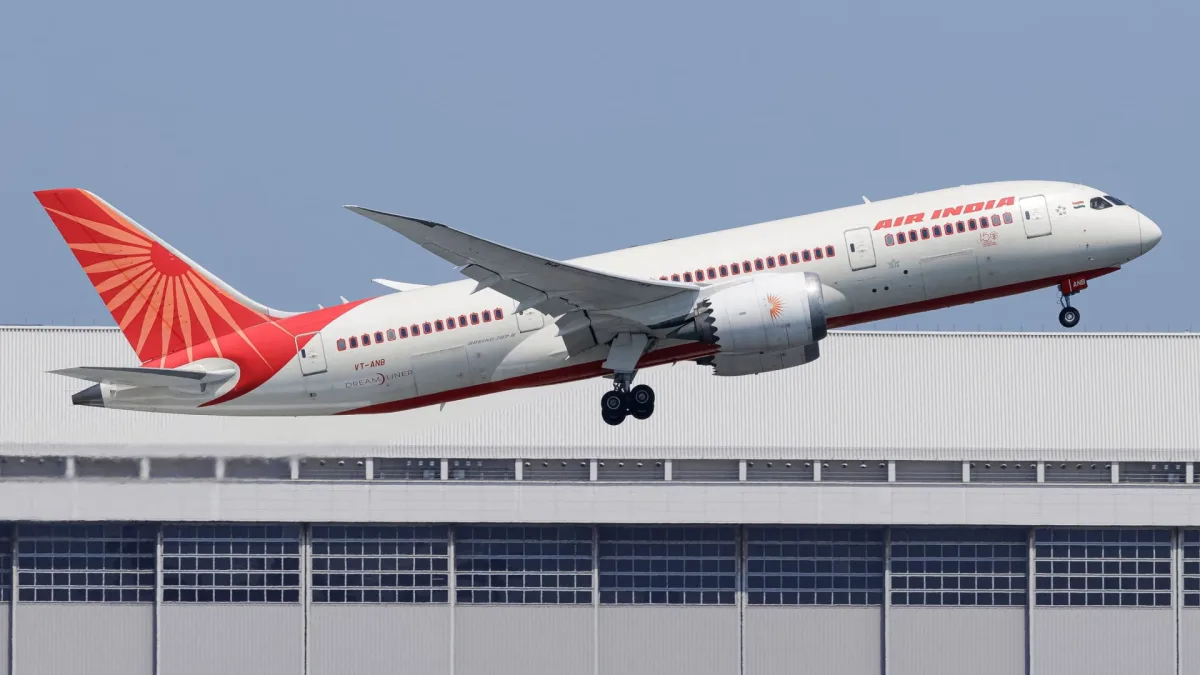
Air India is canceling 27% of its international flights due to Mideast airspace closures and high domestic fuel taxes, impacting its summer schedule.
Key Takeaways
- •Air India cuts 140 weekly international flights (27% of its network).
- •Cuts are driven by Mideast airspace closures and high fuel taxes.
- •Singapore Airlines' profit drops 57.4%, hit by Air India losses.
- •Foreign carriers are increasing capacity to capture market share.
Air India, co-owned by the Tata Group and Singapore Airlines (SIA), is implementing a significant reduction in its international network, canceling approximately 27% of its flights for the peak June-August 2026 travel season. The decision is a direct response to escalating operational pressures, including persistent Middle East airspace closures and punishingly high domestic India aviation fuel taxes. These factors have rendered numerous long-haul routes to Europe and North America economically unsustainable, forcing a strategic retreat by the carrier.
The pullback involves the suspension of roughly 140 weekly international flights, a move that will reshape connectivity between India and key global markets. According to data from the Official Airline Guide (OAG), a global travel data provider, this capacity reduction comes as Air India holds a 14% share of the domestic market, making it the country's second-largest airline. The financial strain is severe, directly impacting its strategic partner, Singapore Airlines, which recently reported a 57.4% year-over-year drop in net profit, largely attributed to losses from its 25.1% stake in the Indian carrier.
Geopolitical and Economic Pressures
The core of Air India's operational challenge stems from a confluence of geopolitical and domestic economic factors. Ongoing conflicts in the Middle East have led to widespread airspace closures, with civil aviation authorities in Iran, Iraq, Israel, and other nations issuing NOTAMs (Notices to Air Missions) that restrict flight paths. These restrictions force airlines to take lengthy and inefficient detours, significantly increasing fuel burn and flight times on critical Europe and North America routes.
This is compounded by restricted access to airspace over Pakistan for Indian carriers and the need for military clearance over parts of China, limiting viable rerouting options. According to the Federation of Indian Airlines, this external pressure is exacerbated by a domestic policy challenge: aviation turbine fuel in India is priced 40% higher than at major international hubs due to steep local and federal taxes. This dual burden places Indian carriers at a structural disadvantage against foreign competitors.
In an official statement, Air India CEO Campbell Wilson described the schedule reduction as a proactive measure to enhance network stability and minimize passenger disruption. Meanwhile, the financial repercussions were detailed in SIA's latest earnings release, which showed the group absorbed S$945.2 million of Air India's losses. SIA CEO Goh Choon Phong acknowledged the financial drag but affirmed a long-term commitment, calling the turnaround a "long game" with "no shortcut."
Industry Impact and Competitive Landscape
The withdrawal of significant capacity by Air India creates a vacuum that international competitors are quickly moving to fill. Airlines such as Lufthansa and Cathay Pacific are reportedly increasing services to India to capture the displaced demand. This trend, where foreign hub carriers gain market share from constrained domestic airlines, is a common pattern in emerging markets facing operational crises.
For passengers, the impact is direct and severe. The reduction in flight options during the peak summer season will likely lead to fare increases, with market analysts estimating a potential hike of around 15% on international routes to offset the increased costs. European airports, including those in Copenhagen, Milan, Paris, Rome, and Vienna, will also experience a negative impact from the loss of landing fees and passenger traffic.
The situation has prompted calls for government intervention. The Federation of Indian Airlines is advocating for the rationalization of fuel taxes, arguing that the current structure makes Indian carriers uncompetitive, particularly during periods of international instability. The Directorate General of Civil Aviation (DGCA), India's regulatory body, continues to oversee route filings and airline compliance amidst the shifting network plans, according to data from the agency.
Historical Precedents
Air India's current predicament is not without historical precedent. The 2019 closure of Pakistani airspace to Indian carriers following regional tensions offers a direct parallel. During that period, Air India incurred substantial financial losses as its flights to Europe and North America were forced onto longer routes, adding up to two hours of flight time.
More recently, the ongoing closure of Russian airspace since February 2022 has had a similar effect on a global scale. Western airlines have been forced to bypass the vast territory, adding hours and significant fuel costs to Asia-Europe flights and making some routes economically unviable. These events demonstrate a clear pattern where geopolitical airspace fragmentation severely erodes the profitability of long-haul operations, a pattern now repeating with the Middle East crisis.
Technical Analysis
The decision to cut 27% of international capacity is more than a temporary schedule adjustment; it represents a structural response to a new geopolitical reality. The fragmentation of airspace over the Middle East, layered on top of existing restrictions over Russia and Pakistan, has fundamentally altered the economics of connecting India with the West. Air India's network, as structured, cannot absorb the sustained increase in fuel burn and operational complexity. This situation highlights a critical vulnerability for airlines that are heavily reliant on east-west transit corridors. Furthermore, the high domestic fuel tax acts as a negative force multiplier, stripping away the financial cushion needed to weather such external shocks. The precedent set by the Russian and Pakistani airspace closures suggests that without a resolution to the conflict or a change in domestic tax policy, this capacity reduction could become semi-permanent, ceding a strategic advantage in the lucrative Indian international market to more resilient Gulf and European hub carriers.
What Comes Next
Air India has indicated that the current schedule reductions are planned for the summer season, with a potential review expected before the start of the winter schedule in September 2026. The full financial impact of these cancellations and the associated operational costs will become clearer when the Tata Group releases Air India's second-quarter financial results, which are confirmed for late 2026. In the interim, the Indian aviation market will be closely watched to see how capacity and fares evolve, with OAG data providing key metrics on market share shifts.
Why This Matters
This development is a critical case study in how geopolitical conflict and domestic economic policy can combine to undermine a national carrier's global ambitions. For Air India, it represents a significant setback in its post-privatization turnaround plan. For the broader industry, it signals a strategic opportunity for Gulf, European, and other Asian airlines to deepen their penetration of the fast-growing Indian travel market. For international travelers, it means reduced choice and higher costs on key long-haul routes from India for the foreseeable future.
Frequently Asked Questions
- Why is Air India canceling 27% of its international flights?
- Air India is canceling approximately 140 weekly international flights primarily due to two factors: ongoing airspace closures over the Middle East which force costly, longer routes, and domestic aviation fuel taxes in India that are 40% higher than at global hubs.
- How did Air India's problems affect Singapore Airlines' profit?
- Singapore Airlines (SIA), which owns a 25.1% stake in Air India, reported a 57.4% drop in its annual net profit. This was heavily impacted by its share of Air India's losses, which amounted to S$945.2 million for SIA.
- Which airlines are benefiting from Air India's flight cancellations?
- Competing international hub carriers, such as Lufthansa and Cathay Pacific, are reportedly increasing their flight capacity to India. They are positioned to capture the market share and passenger demand left by Air India's significant withdrawal of services.
For in-depth airline coverage and commercial aviation news, omniflights.com delivers timely industry insights. For reporting on UAP sightings, investigations, and aviation-related encounters, see the UAPs section at omniflights.com/uaps.
Written by Hardik Vishwakarma
Co-Founder & Aviation News Editor leading initiatives that improve trust and visibility across the global aviation industry. Covers airlines, airports, safety, and emerging technology.
Visit ProfileYou Might Also Like
Discover more aviation news based on similar topics
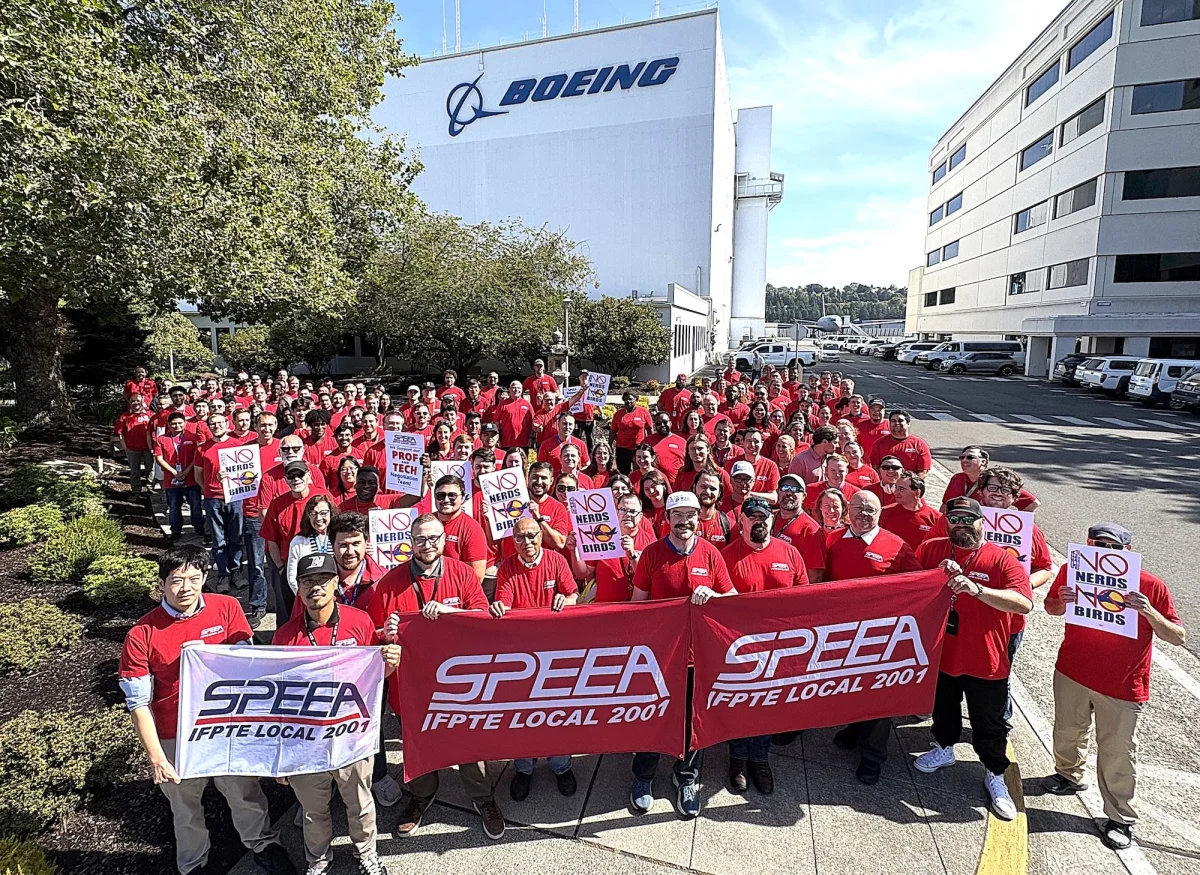
Boeing Tightens Spending Ahead of Critical SPEEA Union Vote
Boeing has implemented spending controls and a hiring freeze as it faces a critical contract ratification vote with its 17,000-member engineering union.

Boeing CEO Kelly Ortberg Warns of 777X Certification Delay
Boeing CEO Kelly Ortberg warned that a potential strike by 17,000 engineers would immediately halt the 777X certification and production programs.
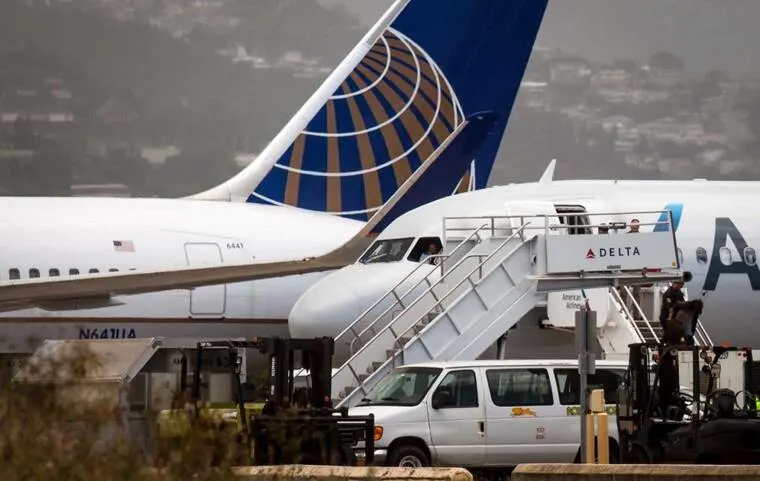
American and United Plan Capacity Cuts Amid Fuel Cost Surge
American and United are trimming flight schedules to offset a $1 billion fuel cost spike while maintaining strong pricing power.
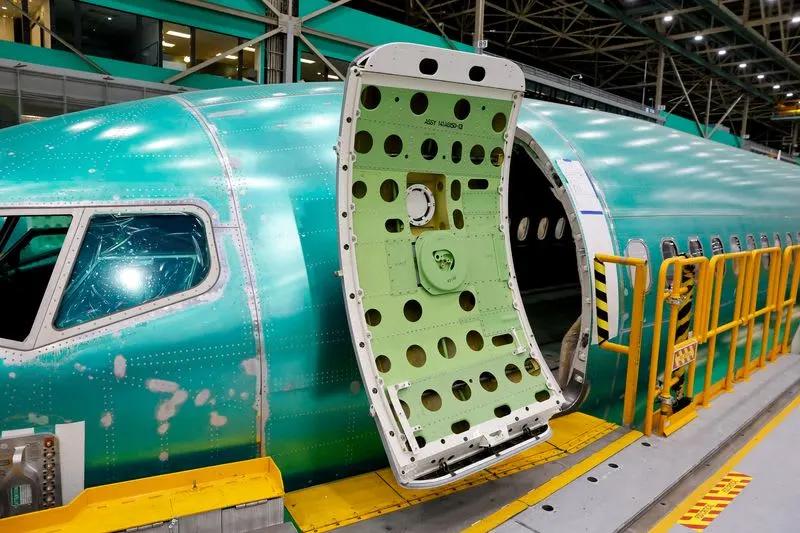
Boeing CEO Reports 737 MAX Output Stabilization Delays
Boeing CEO Kelly Ortberg reports slower 737 MAX production stabilization, prompting a downward revision in 2026 free cash flow expectations to $2 billion.
Boeing Finalizes KAL Order, Salvages Turkish Airlines Deal
Boeing secured a $36.2 billion order from Korean Air Lines for 103 aircraft and nears a resolution on a 150-jet deal with Turkish Airlines.

Airbus Forecasts 42,000 New Jets Amid Strong Global Demand
Airbus expects 42,000 new aircraft deliveries globally by 2045, with 45% of demand concentrated in the Asia-Pacific region.