Boeing Secures 200-Aircraft Order from China

Co-Founder & CEOAviation News Editor delivering trusted coverage across the global aviation industry.
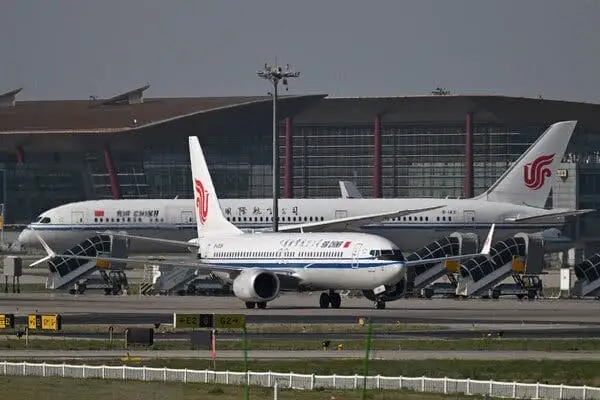
China agreed to order 200 Boeing aircraft during a U.S. state visit, ending a long sales drought but disappointing investors who expected a larger deal.
Key Takeaways
- •China agrees to purchase 200 Boeing jets, ending a multi-year order drought.
- •The deal includes a commitment for 400-450 General Electric aircraft engines.
- •Boeing's stock fell over 4% as the order size missed Wall Street expectations.
- •The agreement signals China's return to a dual-sourcing strategy with Boeing and Airbus.
A landmark Boeing China aircraft order for 200 jets was announced during the Trump Beijing visit 2026, marking a significant breakthrough in US-China aviation trade. The agreement, confirmed by U.S. President Donald Trump and attended by Kelly Ortberg, Boeing CEO, ends a nearly decade-long order drought for the American manufacturer in the critical Chinese market. This development re-establishes Boeing's presence after years of ceding ground to its European rival, Airbus.
The agreement represents a crucial, albeit complicated, victory for Boeing. While it reopens access to the world's second-largest aviation market, the scale of the commitment fell short of market expectations, triggering a notable drop in the company's stock price. The deal also includes a substantial order for 400 to 450 engines from General Electric (GE Aerospace), underscoring the deep integration of the U.S. aerospace supply chain in the transaction.
A Political Breakthrough
The agreement was a centerpiece of the U.S. diplomatic visit to Beijing in May 2026. President Trump confirmed the deal directly, stating, "One thing he agreed to today, he's going to order 200 jets... Boeing wanted 150, they got 200." This high-level political involvement is characteristic of major aircraft sales in China, a point Boeing CEO Kelly Ortberg had previously highlighted. On a recent earnings call, Ortberg noted that a potential deal was "100% dependent on U.S.-China negotiations and relations."
The framework agreement, which is expected to be managed by the China Aviation Supplies Holding Company (CASC), paves the way for firm contracts to be signed with individual Chinese airlines. While specific aircraft variants were not disclosed, the order is anticipated to include a mix of Boeing's popular narrowbody and widebody models to meet China's massive fleet expansion needs.
Market Reaction and Financial Skepticism
Despite the positive diplomatic optics, the market reaction was muted. According to New York Stock Exchange (NYSE: BA) Market Data, Boeing's stock fell approximately 4.7% on May 14, 2026. The drop reflected disappointment among investors who had anticipated a much larger order, with some analyst models pricing in a deal for up to 500 aircraft.
This sentiment was echoed by industry analysts. George Ferguson, Aerospace Analyst at Bloomberg Intelligence, noted, "An order for 200 aircraft is disappointing for a market that expected more than 300." This caution is rooted in historical precedent. Other analysts, citing sources at BNP Paribas, pointed out that large, state-level purchase commitments announced during diplomatic visits sometimes serve as political gestures and do not always translate into firm, timely contracts. Further details on Boeing's order book can be monitored via its investor relations portal.
The engine component of the deal, however, represents a significant win for GE Aerospace. The commitment for 400 to 450 engines provides a substantial boost to its production backlog, with official announcements expected via the GE Aerospace Press Room.
Regulatory and Historical Context
The 2026 agreement marks a thaw in relations between Boeing and the Civil Aviation Administration of China (CAAC), the country's powerful regulator. The CAAC was the first authority in the world to ground the Boeing 737 MAX in March 2019, an action that initiated the long sales drought for Boeing. The slow recertification process that followed allowed Airbus to solidify a dominant market position.
This situation contrasts sharply with the outcome of a similar state visit in November 2017, when China signed an agreement for 300 Boeing aircraft. According to a Boeing press release from that time, the deal was valued at $37 billion. However, subsequent deliveries were severely hampered by the escalating U.S.-China trade war and the 737 MAX crisis. In the interim, Airbus capitalized on Boeing's absence, securing a landmark order for 292 aircraft from Chinese state carriers in July 2022. The new 200-jet deal is Boeing's first major step toward closing this competitive gap.
Technical Analysis
This development indicates a strategic pivot by China back toward a dual-sourcing model for its commercial aircraft needs. After heavily favoring Airbus for several years, Chinese planners are reintroducing Boeing into their procurement strategy to maintain competitive leverage on pricing and technology, and to ensure sufficient capacity for projected air travel growth. The pattern of linking mega-orders to head-of-state visits, seen with both Boeing in 2017 and Airbus in 2019, is strongly reaffirmed.
However, the 2026 agreement differs from its 2017 predecessor in its reception. The skeptical market reaction suggests that investors are now pricing in the significant political and regulatory risks associated with U.S.-China commerce. While the 200-aircraft figure re-establishes a market foothold, it is not large enough on its own to reverse the market share losses incurred over the past several years. The ultimate success of this deal will be measured not by the initial announcement, but by the conversion rate into firm orders and the pace of future deliveries, which remain subject to the oversight of the CAAC.
What Comes Next
The announcement in Beijing is the first step in a longer commercial process. The framework agreement is expected to be formalized into firm, legally binding orders by the China Aviation Supplies Holding Company (CASC) in late 2026 or early 2027. Following that, the specific aircraft variants will be determined and allocated to various Chinese state-owned airlines throughout 2027.
Looking further ahead, it has been rumored that the order could be expanded toward 750 aircraft between 2028 and 2030, though U.S. and Chinese trade officials have not confirmed this possibility. Such an expansion would be contingent on the continued stabilization of bilateral relations and the successful execution of the current 200-aircraft commitment.
Why This Matters
For the global aviation industry, this agreement recalibrates the competitive balance between Boeing and Airbus in one of the most important growth markets. It provides Boeing with a critical lifeline to its production backlog and signals to suppliers like GE a renewed demand cycle. More broadly, the deal serves as a powerful reminder of how deeply commercial aerospace manufacturing is intertwined with international geopolitics, with multi-billion-dollar orders functioning as key bargaining chips in trade diplomacy.
Frequently Asked Questions
- How many aircraft did China agree to order from Boeing in 2026?
- China agreed to a framework for ordering 200 Boeing aircraft during a U.S. presidential visit in May 2026. The deal also includes a commitment for 400 to 450 General Electric engines to power the new fleet.
- Why did Boeing's stock price drop after the China order was announced?
- Boeing's stock (NYSE: BA) fell approximately 4.7% because the 200-aircraft order was smaller than Wall Street analysts had anticipated. Market expectations were reportedly for a deal involving 300 to 500 jets.
- What was the last major Boeing aircraft order from China before 2026?
- The previous major state-linked order from China for Boeing aircraft was in November 2017. That agreement was for 300 aircraft and was valued at approximately $37 billion at the time of the announcement.
For global airline trends and commercial aviation news, turn to omniflights.com. Track policy changes, airspace rules, and global aviation governance in the Regulatory category at omniflights.com/regulatory.
Written by Hardik Vishwakarma
Co-Founder & Aviation News Editor leading initiatives that improve trust and visibility across the global aviation industry. Covers airlines, airports, safety, and emerging technology.
Visit ProfileYou Might Also Like
Discover more aviation news based on similar topics
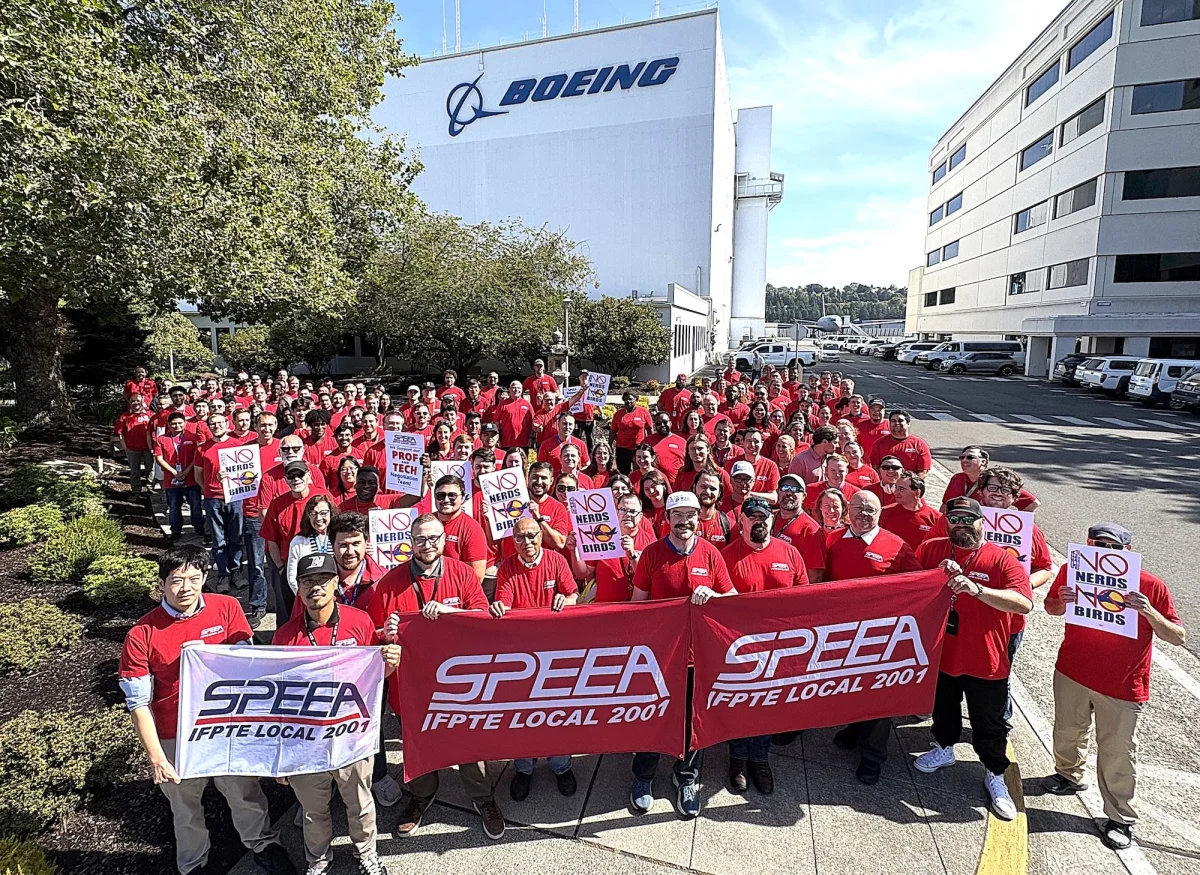
Boeing Tightens Spending Ahead of Critical SPEEA Union Vote
Boeing has implemented spending controls and a hiring freeze as it faces a critical contract ratification vote with its 17,000-member engineering union.
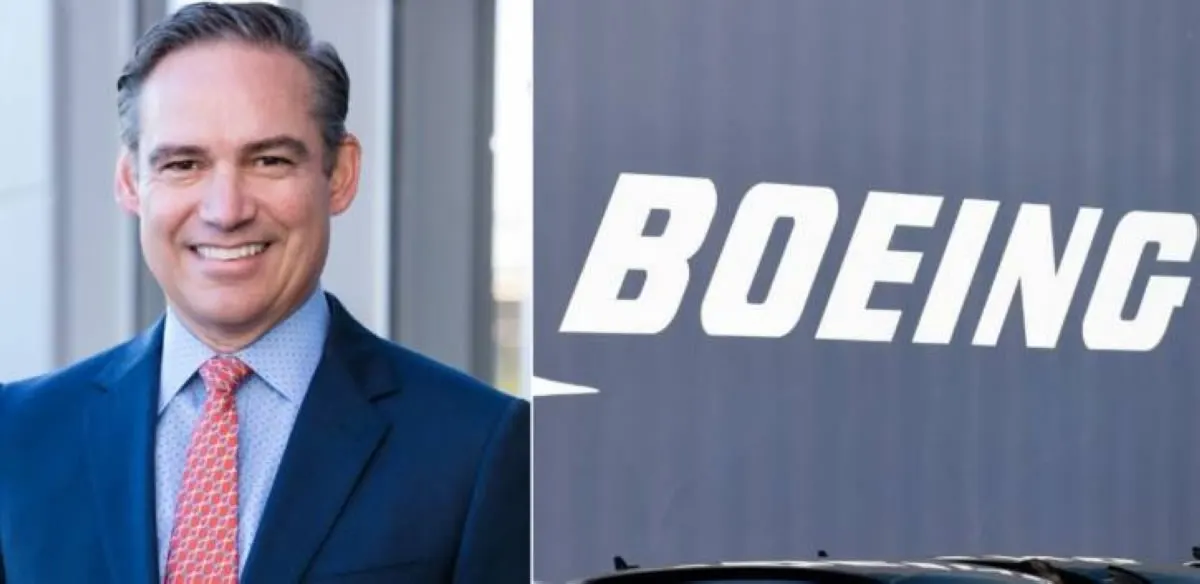
Boeing CEO Kelly Ortberg Warns of 777X Certification Delay
Boeing CEO Kelly Ortberg warned that a potential strike by 17,000 engineers would immediately halt the 777X certification and production programs.
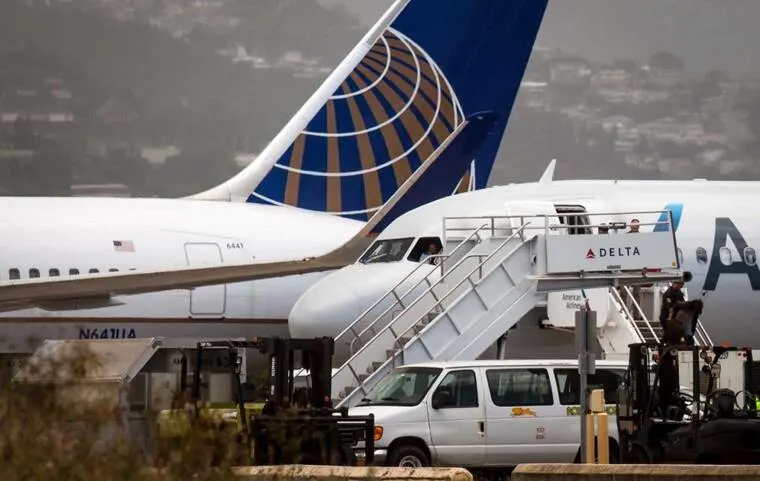
American and United Plan Capacity Cuts Amid Fuel Cost Surge
American and United are trimming flight schedules to offset a $1 billion fuel cost spike while maintaining strong pricing power.
Boeing CEO Reports 737 MAX Output Stabilization Delays
Boeing CEO Kelly Ortberg reports slower 737 MAX production stabilization, prompting a downward revision in 2026 free cash flow expectations to $2 billion.
Boeing Finalizes KAL Order, Salvages Turkish Airlines Deal
Boeing secured a $36.2 billion order from Korean Air Lines for 103 aircraft and nears a resolution on a 150-jet deal with Turkish Airlines.
Airbus Forecasts 42,000 New Jets Amid Strong Global Demand
Airbus expects 42,000 new aircraft deliveries globally by 2045, with 45% of demand concentrated in the Asia-Pacific region.