Sheffield Researchers Develop Solar SAF to Lower Production Costs

Co-Founder & CEOAviation News Editor delivering trusted coverage across the global aviation industry.

University of Sheffield engineers developed a solar-driven process to produce SAF from CO2, potentially lowering costs and reliance on used cooking oil.
Key Takeaways
- •Develops a solar-driven process to produce SAF from atmospheric CO2
- •Estimates production cost at $4.62 per kg, lower than conventional methods
- •Addresses feedstock limitations of current HEFA-based sustainable fuels
- •Aligns with upcoming UK and EU mandates for synthetic Power-to-Liquid fuels
Engineers led by the University of Sheffield have developed a novel method for producing Sustainable Aviation Fuel (SAF) that utilizes concentrated solar energy to capture and convert atmospheric carbon dioxide. The new process, detailed in the March 2026 edition of Nature Communications, offers a potential pathway to scale SAF production while overcoming the feedstock limitations of current methods. This solar sustainable aviation fuel technology could significantly impact the industry's decarbonization efforts.
The research outlines a Direct Air Capture and CO2 Utilisation (DACCU) system that could produce carbon-neutral jet fuel at an estimated cost of $4.62 per kilogram. According to the study, this represents a notable cost reduction compared to conventional DACCU methods, which are estimated at $5.60 per kilogram. The innovation lies in using solar power for the energy-intensive heating stages, replacing the natural gas typically used and thereby reducing both cost and associated fossil-fuel emissions.
This development arrives as the aviation industry grapples with the limitations of the most common SAF production pathway, Hydroprocessed Esters and Fatty Acids (HEFA), which relies on finite feedstocks like used cooking oil and animal fats. As regulatory mandates for SAF usage increase, the industry is seeking more scalable solutions like Power-to-Liquid (PtL) e-fuels, which this new solar-driven process exemplifies.
Regulatory and Industry Context
The push for scalable, non-biological SAF is heavily influenced by upcoming regulations. The UK SAF Mandate requires that 3.6% of all jet fuel supplied in the country during 2026 be sustainable. This figure is set to rise to 10% by 2030. Crucially, the UK mandate includes a specific sub-mandate for PtL fuels, which will take effect in 2028 to encourage the development of synthetic fuel technologies. Similarly, the European Commission's ReFuelEU Aviation initiative mandates a 2% SAF blend starting in 2025, increasing to 6% by 2030, with its own synthetic fuel sub-mandate beginning in 2030.
Professor Meihong Wang of the University of Sheffield commented on the breakthrough's potential. "The process we have proposed has the potential to address key challenges in scaling up SAF," Wang stated. "It's a renewable energy-powered way of capturing CO2 from air and making SAF that is cost-effective and can be scaled to industrial levels."
Solar-Driven DACCU vs. Conventional DACCU
| Metric | Solar-Driven DACCU | Conventional DACCU |
|---|---|---|
| Heat Source | Concentrated solar energy | Natural gas |
| Estimated Production Cost | $4.62/kg | $5.60/kg |
| Carbon Footprint | Zero-emission heating | Fossil-fuel emissions from heating |
Global Production Potential and Stakeholder Impact
The University of Sheffield study identified five optimal regions for establishing large-scale solar SAF production hubs: the USA, Chile, Spain, South Africa, and China. These locations were selected based on their high levels of solar irradiation combined with low costs for land and hydrogen production, which are critical inputs for the PtL process.
The widespread adoption of this technology would have significant impacts across the aviation value chain. For traditional HEFA SAF producers, it signals long-term market share erosion as regulatory bodies increasingly cap the use of used cooking oil and prioritize PtL synthetic fuels. Conversely, airlines like SWISS and British Airways stand to gain a scalable, non-biological fuel alternative that can help them meet stringent post-2030 blending mandates without being constrained by feedstock availability. For the solar-rich nations identified, this represents an opportunity to become global energy hubs for synthetic aviation fuel, attracting substantial infrastructure investment and creating a new export market.
Technical Analysis
This development is a critical step in the industry's transition from first-generation biofuels to a truly circular carbon economy for aviation. The viability of PtL fuels has long been challenged by high production costs and the significant renewable electricity required. By integrating concentrated solar power directly into the capture and conversion process, the Sheffield method addresses the primary operational expense and carbon liability of conventional DACCU systems. This follows the trajectory set by the commercial adoption of solar-produced fuel by SWISS Airlines in July 2025, which used fuel from Synhelion. The Sheffield research provides a potential cost-down pathway that could accelerate the commercial viability of such fuels, moving them from niche demonstrations to a mainstream component of the global fuel supply.
What Comes Next
The immediate path forward involves scaling the technology from the laboratory to pilot and demonstration phases. Several key regulatory and commercial milestones will shape the market environment for this technology.
- 2027: Synhelion is expected to achieve commercial market entry for its solar SAF, providing a benchmark for the sector.
- 2028: The UK's Power-to-Liquid (PtL) sub-mandate obligation is confirmed to begin, creating a guaranteed market for synthetic fuels.
- 2030: The ReFuelEU Aviation synthetic fuel sub-mandate will take effect across the European Union, further expanding the addressable market.
Why This Matters
This technological advance offers a potential solution to the aviation industry's most significant decarbonization challenge: the lack of a scalable, cost-effective, and truly sustainable alternative to fossil jet fuel. By leveraging direct air capture and solar energy, this process decouples fuel production from agricultural land and finite waste streams, creating a pathway for producing fuel in arid, sun-rich regions. If successfully scaled, it could fundamentally reshape the global energy landscape for aviation and make net-zero flight a more achievable goal.
Get breaking commercial aviation news and expert airline analysis at omniflights.com. For detailed airline coverage, route changes, and fleet moves, explore the Airlines section at omniflights.com/airlines.

Written by Hardik Vishwakarma
Co-Founder & Aviation News Editor leading initiatives that improve trust and visibility across the global aviation industry. Covers airlines, airports, safety, and emerging technology.
Visit ProfileYou Might Also Like
Discover more aviation news based on similar topics
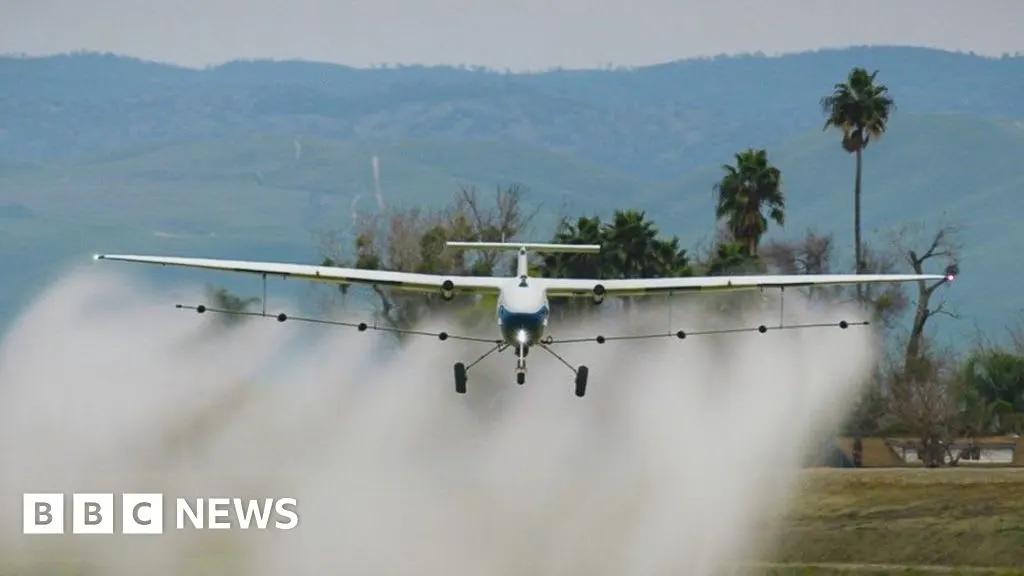
Autonomous Fixed-Wing Aircraft Development Gains Momentum
Start-ups are advancing autonomous fixed-wing aircraft for agricultural and cargo tasks, aiming to prove safety before pursuing passenger operations.

Boeing 787-9 Completes Short Inlet Tests in Montana
Boeing completed 52 hours of flight tests on a 787-9 with an experimental 30% shorter engine inlet to evaluate noise and fuel efficiency.
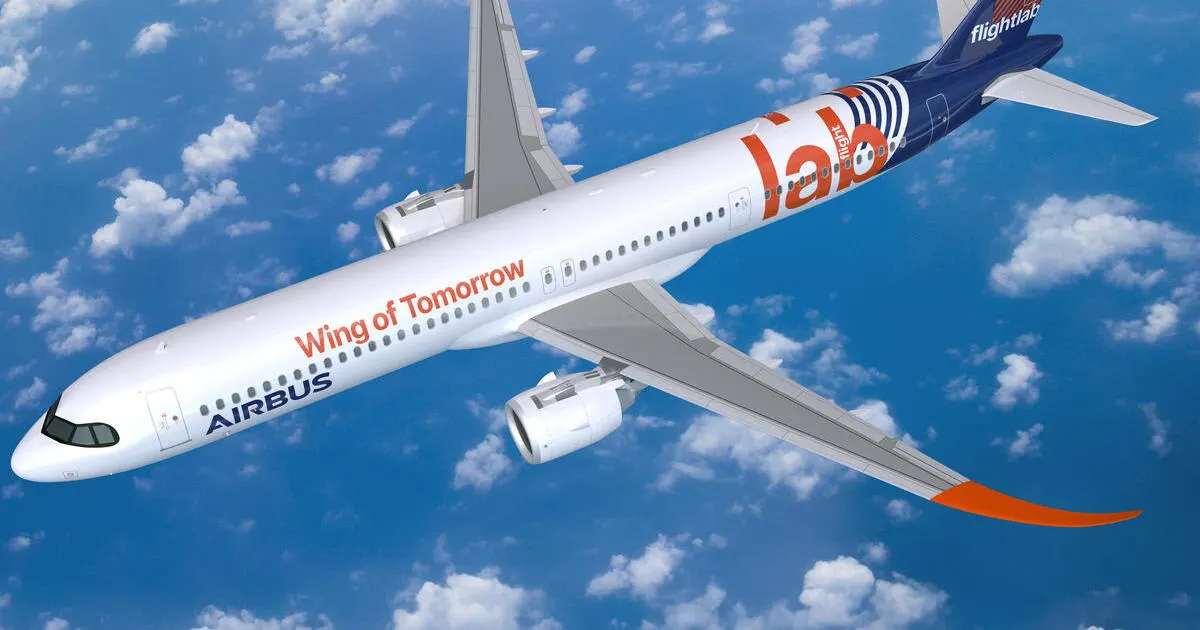
Airbus A321neo to Test Folding Wings of Tomorrow Project
Airbus launched a three-year flight-test campaign using an A321neo to evaluate folding wings that extend up to five meters.
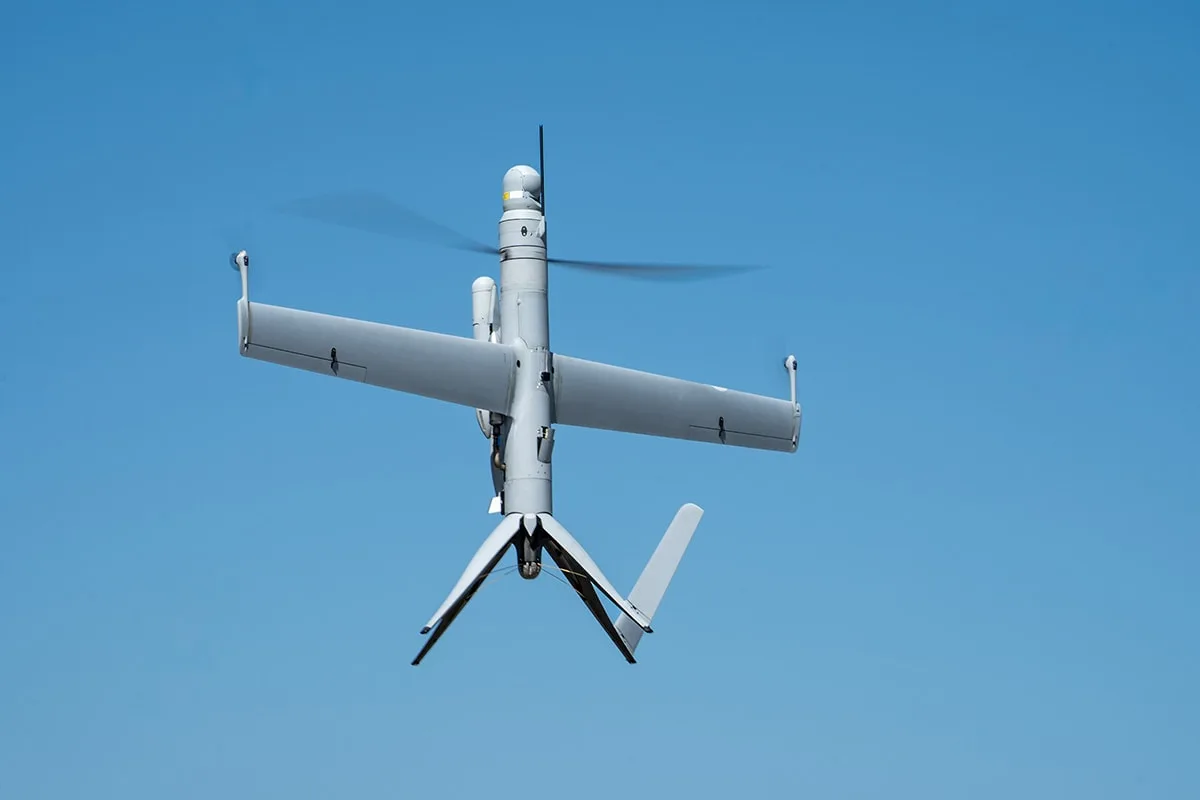
Voyageur Orders Canada's First Airbus U030 Flexrotor
Voyageur Aviation ordered Canada's first Airbus U030 Flexrotor, a 25 kg tactical drone, to expand its maritime and Arctic surveillance capabilities.
LATAM Selects SES Multi-Orbit Wi-Fi for 60+ New Jets
LATAM Airlines signed a multi-year deal with SES to equip more than 60 incoming Airbus and Embraer aircraft with multi-orbit satellite Wi-Fi.
Lufthansa 787-9 Tests Tech to Cut Fuel and Noise
Boeing, Lufthansa, and Rolls-Royce partnered to test emissions-reducing technologies on a 787-9, targeting a 20% fuel efficiency improvement.