Saudia to Add 12 Airbus A321neos in 2026 Fleet Expansion

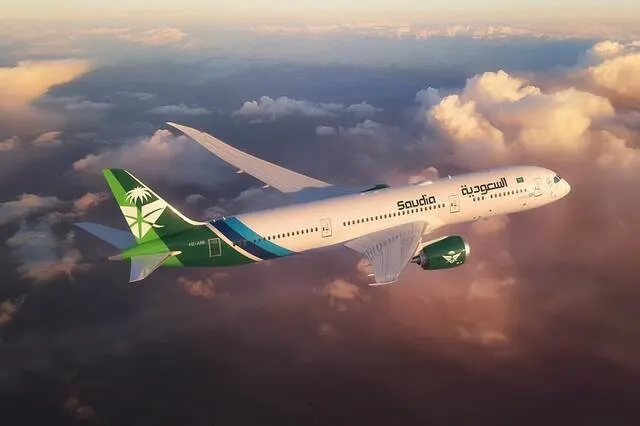
Saudia will take delivery of 12 new Airbus A321neo aircraft in 2026, reaching a total fleet size of 161 as part of its Saudi Vision 2030 growth plan.
Key Takeaways
- •Saudia to add 12 Airbus A321neo aircraft throughout 2026.
- •Total fleet will reach 161 aircraft by end of 2026.
- •Deliveries support Saudi Vision 2030 connectivity goals.
- •A321neo cabins feature 20 Business and 168 Guest Class seats.
Saudia Fleet Expansion Strategy
Saudia has confirmed plans to take delivery of 12 new Airbus A321neo (Airbus A321 New Engine Option) aircraft throughout 2026. This Saudia fleet expansion is a critical component of the national carrier’s strategy to enhance operational efficiency and bolster global connectivity. The incoming narrow-body jets are part of a larger 105-aircraft order for the A320neo family originally placed by Saudia Group with Airbus in May 2024. These deliveries are expected to push the airline’s total operating fleet to 161 aircraft by the end of 2026, aligning with the broader Saudi Vision 2030 aviation objectives.
Operational Impact and Cabin Configuration
The integration of these aircraft is designed to support the national mandate overseen by the GACA (General Authority of Civil Aviation) to triple passenger numbers to 330 million and significantly expand the Kingdom's global destination network. According to official Saudia fleet information, the new A321neo aircraft are configured with 20 Business Class and 168 Guest Class seats. This layout reflects a broader industry trend toward deploying high-capacity narrow-body aircraft on medium-to-long international routes, allowing carriers to expand network reach without the higher operating costs and capacity risks associated with wide-body jets.
Stakeholder and Infrastructure Readiness
Ibrahim Al-Omar, Director General of Saudia Group, emphasized that the fleet modernization is guided by rigorous market insight and alignment with national priorities. The Airbus official newsroom confirms that the delivery pipeline remains steady, supporting the manufacturer’s backlog. Beyond the physical deliveries, Saudia is concurrently investing in workforce training for pilots, cabin crew, and maintenance specialists to ensure seamless integration. For the Saudia Aerospace Engineering Industries, this influx of new technology requires expanded maintenance capabilities, updated tooling, and specialized technician training.
Technical Analysis: The Narrow-Body Shift
The move toward the A321neo reflects a strategic shift in Middle Eastern aviation. Historically, carriers in the region relied heavily on wide-body fleets to anchor their hub-and-spoke models. However, the performance capabilities of modern narrow-body aircraft—such as the A321XLR (Airbus A321 Extra Long Range)—allow for more flexible, point-to-point operations. The current expansion follows patterns seen in the growth of other regional giants, where rapid fleet growth was used to drive national tourism and economic goals. While analysts have noted that simultaneous expansions by multiple regional carriers could potentially risk local overcapacity, Saudia’s focus on cabin premiumization and connectivity suggests a targeted approach to capturing market share within the SAS (Saudi Aviation Strategy) framework.
What Comes Next: 2026 Delivery Timeline
Saudia is scheduled to receive the 12 A321neo units throughout the 2026 calendar year. These deliveries are expected to be the primary driver for reaching the target of 161 total aircraft by year-end. The airline will continue to monitor regional capacity constraints as it rolls out these assets across its international network. No further adjustments to the order book have been announced as of June 2026.
Why This Matters for the Saudi Tourism Ecosystem
The fleet expansion is vital for the Saudi tourism ecosystem, which aims to host 150 million annual tourists by 2030. By increasing seat capacity on key routes, Saudia provides the necessary infrastructure to facilitate this growth, positioning the Kingdom as a central global transit hub. For travelers, the introduction of these aircraft means a more consistent premium cabin experience across the airline's medium-haul international network.
Frequently Asked Questions
- How many aircraft is Saudia adding to its fleet in 2026?
- Saudia is scheduled to take delivery of 12 new Airbus A321neo aircraft throughout 2026.
- What is the total planned fleet size for Saudia by the end of 2026?
- Saudia's total operating fleet is expected to reach 161 aircraft by the end of 2026 as part of its ongoing expansion strategy.
For global airline trends and commercial aviation news, turn to omniflights.com. Stay informed on aviation incidents, investigations, and best practices in the Safety category at omniflights.com/safety.

Written by Hardik Vishwakarma
Co-Founder & Aviation News Editor leading initiatives that improve trust and visibility across the global aviation industry. Covers airlines, airports, safety, and emerging technology.
Visit ProfileYou Might Also Like

Lufthansa A350-1000 to Debut on Munich-Haneda Route
Cathay Pacific Weighs Widebody Fleet Expansion Plans
American Airlines Drops 3 Routes Amid Network Optimization
JAL Orders 16 Embraer E190-E2 Jets for Regional Fleet
Volaris-Viva Merger Expected to Gain CNA Approval