SAF Production Slows as Mandates Drive Costs to $2.9 Billion Premium

Co-Founder & CEOAviation News Editor delivering trusted coverage across the global aviation industry.
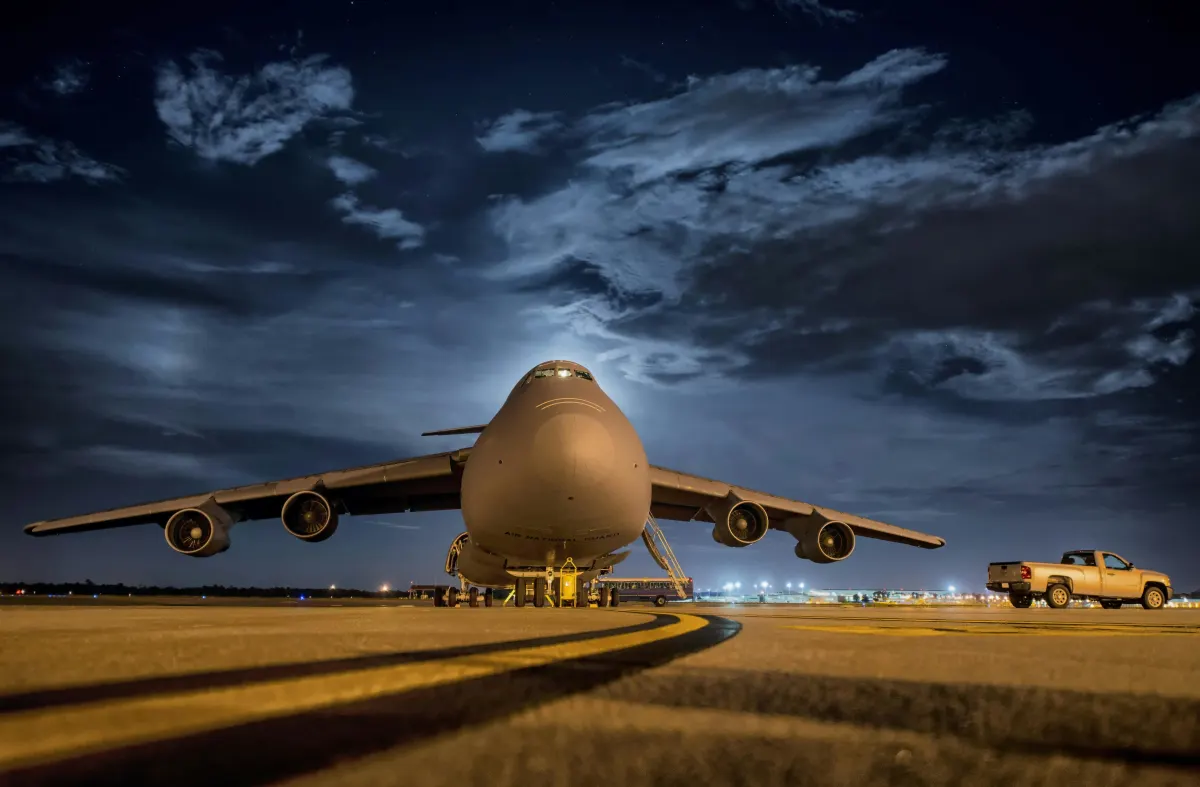
Global Sustainable Aviation Fuel production growth is slowing despite new mandates, as airlines face a $2.9 billion cost premium amid supply constraints.
Key Takeaways
- •Faces slowing production growth, projected to reach 2.4 million tonnes in 2026.
- •Imposes a $2.9 billion cost premium on airlines in 2025 due to supply shortages.
- •Driven by new 2% mandates in the EU and UK that began in January 2025.
- •Shifts industry focus toward synthetic e-fuels (PtL) to meet 2030 sub-mandates.
The global push for Sustainable Aviation Fuel (SAF) is facing significant economic and production headwinds, even as new regulations in Europe create unprecedented demand. According to the International Air Transport Association (IATA), global SAF production reached 1.9 million tonnes in 2025, representing just 0.6% of total jet fuel consumption. However, this growth is projected to slow, with output expected to reach only 2.4 million tonnes in 2026.
This supply constraint is creating a substantial financial burden for airlines. The limited availability of SAF forced carriers to pay an estimated $2.9 billion premium in 2025 to meet their voluntary and mandated targets. The situation highlights a growing tension between the industry's decarbonization ambitions and the practical realities of scaling a new energy source. While SAF is considered a critical drop-in solution capable of reducing lifecycle carbon emissions by up to 80%, its high cost and slow production ramp-up pose a direct threat to airline operating margins and may ultimately impact ticket prices for passengers.
Regulatory Drivers and Market Response
The primary driver of recent SAF demand has been government regulation, particularly in Europe. The European Union's ReFuelEU Aviation mandate, which took effect in January 2025, requires a minimum 2% SAF blend at all EU airports. This figure is set to increase incrementally, reaching 6% by 2030 and 70% by 2050. Similarly, the UK has implemented its own mandate, also starting at 2% in 2025 and rising to 9.5% by 2030.
While these mandates guarantee demand, industry leaders have criticized their implementation. IATA Director General Willie Walsh has argued that the mandate-driven approach has led to price gouging by fuel suppliers in a supply-constrained market rather than incentivizing new production. This contrasts with the US model, which has historically focused on production incentives through tax credits. However, recent US legislative changes under H.R. 1 have modified the 45Z Clean Fuel Production Credit, reducing the maximum SAF tax credit from $1.75 to $1.00 per gallon, creating uncertainty about long-term support for American producers.
Production Challenges and The Shift to e-Fuels
Most current SAF is produced via the Hydroprocessed Esters and Fatty Acids (HEFA) pathway, which uses waste oils and fats as feedstock. While technologically mature, the scalability of HEFA is limited by the availability of these feedstocks. Environmental groups have also raised concerns that increased demand for certain biomass feedstocks could compete with food production or drive deforestation.
Anticipating these limitations, European regulators are already forcing a transition to more advanced fuel types. The ReFuelEU mandate includes specific sub-mandates for synthetic fuels, also known as e-fuels or Power-to-Liquid (PtL) fuels. These are produced using renewable electricity, water, and captured carbon dioxide. A sub-mandate requiring 1.2% of jet fuel to be e-SAF will take effect in 2030, compelling investment in this nascent but highly scalable technology. The UK's mandate similarly includes strict caps on HEFA-pathway fuels to encourage the development of the e-fuel sector.
SAF vs. Conventional Jet Fuel
| Metric | Sustainable Aviation Fuel (SAF) | Conventional Jet Fuel (CJF) |
|---|---|---|
| Lifecycle Carbon Reduction | Up to 80% | Baseline |
| 2025 Estimated Price | ~$5.00+/gallon | ~$2.50/gallon |
| Energy Density | ~42.8 MJ/kg | ~43.15 MJ/kg |
Technical Analysis
The current state of the SAF market illustrates a classic supply-and-demand imbalance exacerbated by regulatory intervention. The data suggests that while mandates are effective at creating a guaranteed market, they cannot by themselves solve the underlying challenge: a lack of final investment decisions on new production facilities. The projected slowdown in production growth for 2026, despite a doubling of output in 2025, indicates that the existing production base is nearing its capacity limit. This situation mirrors historical energy transitions in aviation, such as the ongoing effort to phase out leaded aviation gasoline, which has been a slow, complex, and costly process spanning decades. The key difference is the accelerated timeline demanded by net-zero 2050 targets. The high price premium and feedstock limitations for HEFA fuels are forcing the industry to look toward the PtL pathway far sooner than anticipated, but the capital investment and infrastructure required for e-fuels are an order of magnitude greater.
What Comes Next
The aviation industry is approaching a critical period as more stringent SAF mandates come into effect. The next major regulatory milestones are set for the end of the decade.
- January 1, 2030: The ReFuelEU Aviation mandate increases to require a 6% SAF blend across the European Union.
- January 1, 2030: A specific sub-mandate for e-fuels takes effect, requiring 1.2% of all jet fuel in the EU to be from a Power-to-Liquid source.
- January 1, 2030: The UK's SAF mandate is scheduled to rise to 9.5%.
Meeting these targets will require a rapid acceleration in SAF production, particularly for advanced e-fuels. The industry's ability to scale production in time will be closely watched by airlines, regulators, and investors. For a detailed overview of industry efforts, see the IATA's official guidance on Sustainable Aviation Fuels.
Why This Matters
This development signals that the path to aviation decarbonization will be significantly more expensive and complex than initially projected. For airlines, the high cost of SAF presents a direct challenge to profitability, which will likely be passed on to passengers and cargo customers through higher prices. For the broader industry, the production bottleneck highlights the urgent need for massive investment in next-generation fuel technologies and supportive, globally-aligned government policies that incentivize production rather than simply mandating use.
omniflights.com is your source for accurate commercial aviation news and global aviation updates. Discover how innovation is shaping aviation through aircraft systems, avionics, and digital tools at omniflights.com/technology.
Written by Hardik Vishwakarma
Co-Founder & Aviation News Editor leading initiatives that improve trust and visibility across the global aviation industry. Covers airlines, airports, safety, and emerging technology.
Visit ProfileYou Might Also Like
Discover more aviation news based on similar topics

American Airlines Flies First U.S. eSAF Passenger Flight
American Airlines completed the first U.S. commercial flight using Infinium eSAF, a synthetic fuel that reduces lifecycle emissions by over 90%.

Akasa Air Partners with BPCL to Advance SAF in India
Akasa Air signed an MoU with BPCL to establish a SAF supply framework ahead of India's expected 1% blending mandate by 2027.

Delta, Shell Aviation Ink 5-Year SAF Supply Agreement
Delta Air Lines and Shell Aviation have signed a five-year agreement to supply Sustainable Aviation Fuel across five major U.S. hubs through 2030.
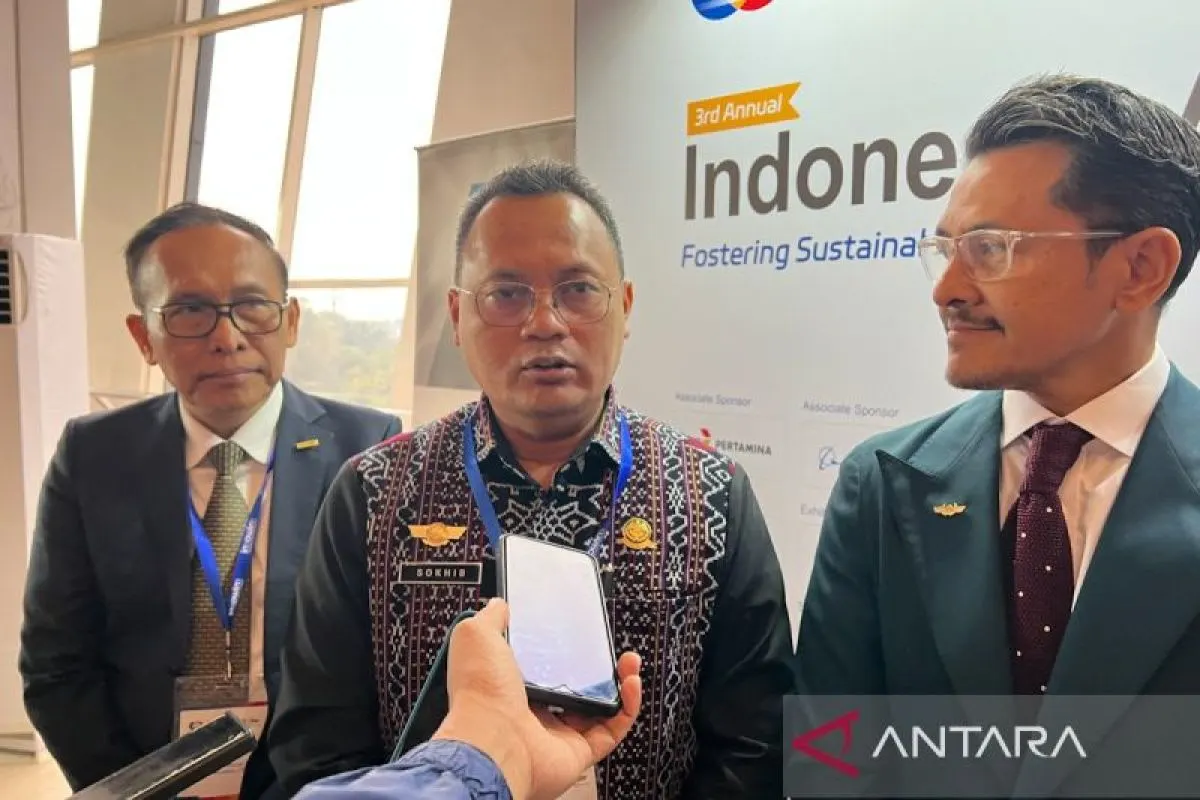
Indonesia to Mandate 1% SAF Blend for Flights by 2027
Indonesia will require a 1% Sustainable Aviation Fuel blend on international flights departing from Jakarta and Bali starting in 2027.
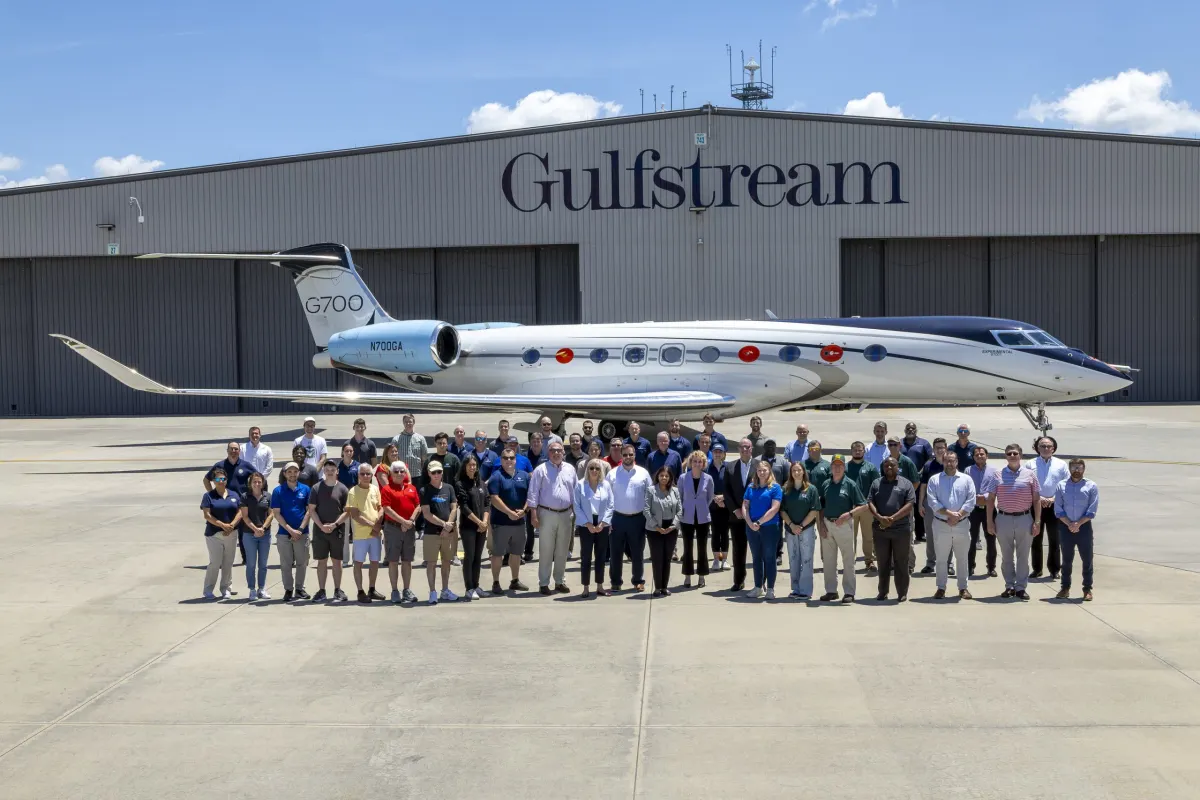
Gulfstream G800 Completes 100% SAF High-Altitude Emissions Test
Gulfstream tested 100% SAF on a G800 at 50,000 feet to measure emissions, marking a key step toward certifying unblended synthetic fuels.
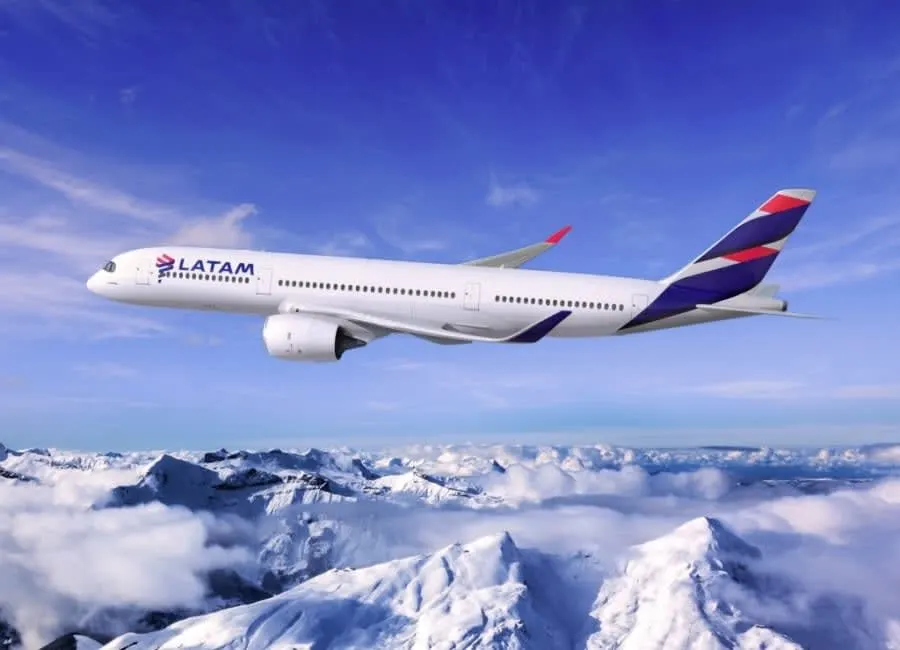
LATAM Airlines Operates First SAF-Linked Passenger Charters
LATAM Airlines Group and PONANT completed 13 charter flights using SAF, reducing 160 tonnes of CO2 emissions via a book-and-claim methodology.