Ryanair Links Spanish Growth to CNMC Airport Fee Cuts

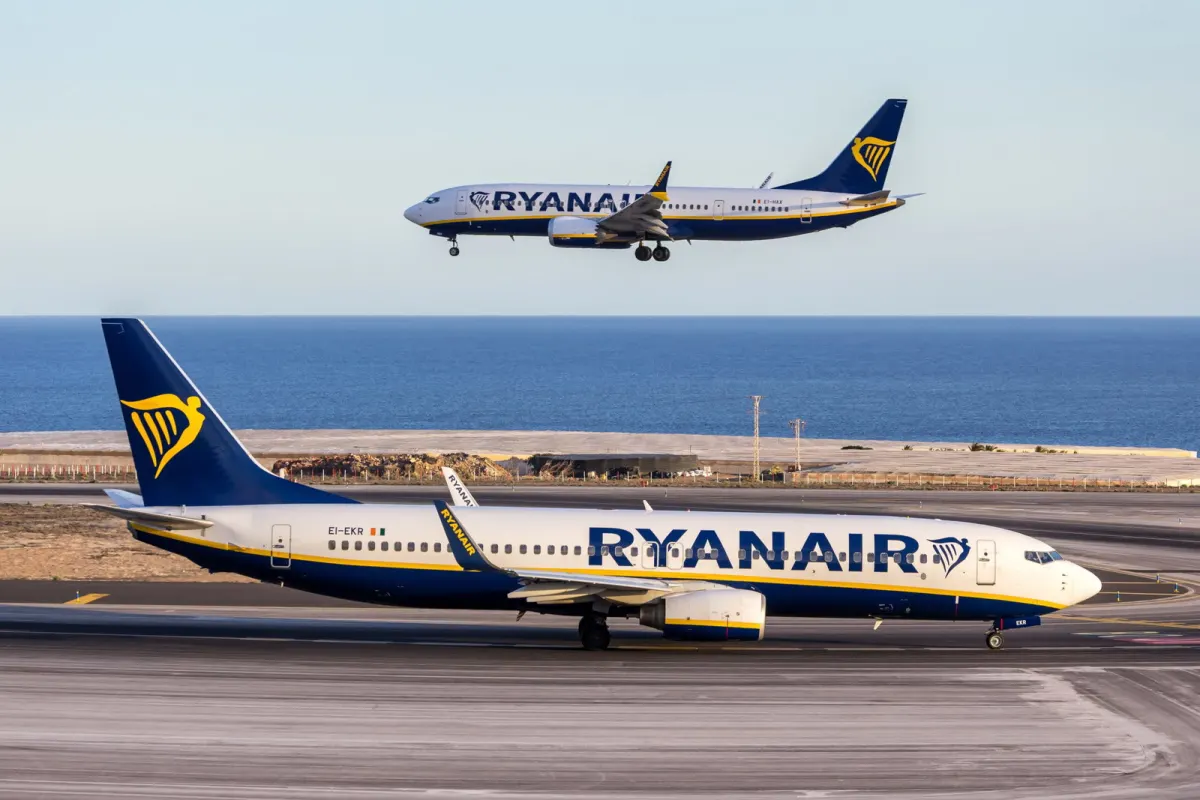
Ryanair pledges to restore capacity at Spanish regional airports if the CNMC mandates fee reductions in the upcoming DORA III regulatory framework.
Key Takeaways
- •Ryanair links Spanish regional growth to CNMC airport fee reductions.
- •Aena proposes 3.8% annual fee hikes to fund €12.888 billion investments.
- •CNMC recommends a 0.59% annual fee reduction for the 2027-2031 period.
- •Final DORA III regulatory framework is expected by September 2026.
Ryanair Links Spanish Growth to CNMC Airport Fee Cuts
Ryanair has formally linked its future capacity plans at Spanish regional airports to the outcome of the ongoing Aena DORA III proposal regulatory dispute. The carrier, which is closely monitoring the CNMC airport charges recommendation, indicated it would restore services across its network if regulators reject proposed fee hikes in favor of the lower tariff trajectory suggested by the Comisión Nacional de los Mercados y la Competencia (CNMC).
This standoff, centered on the Documento de Regulación Aeroportuaria (DORA) for the 2027–2031 period, pits Aena (Aeropuertos Españoles y Navegación Aérea) against a coalition of airlines, including IATA (International Air Transport Association) and the Spanish Airline Association (ALA). At stake is the future of Spain's aviation market and the financial viability of infrastructure projects across the country.
The DORA III Financial Dispute
The core of the conflict lies in the divergent financial projections for the next five-year regulatory cycle. Aena has proposed a €12.888 billion capital investment plan, which the operator argues necessitates an average annual fee increase of 3.8 per cent, or approximately €0.43 per passenger. Conversely, the CNMC has recommended an average annual reduction of 0.59 per cent in airport charges. This position is further supported by IATA and ALA, which have jointly called for a more aggressive 4.9 per cent annual reduction, citing historical patterns of excessive returns.
According to IATA, Aena earned €1.3 billion in excess regulated returns between 2017 and 2025 by consistently underestimating actual passenger traffic by 15.3 per cent. Aena maintains that its proposed fee increases are necessary to fund modernization, noting that while airport charges have fallen 36 per cent in real terms over the last decade, airline ticket prices have risen 40 per cent since 2019. The CNMC forecasts air traffic will grow by 2.2 per cent annually to reach 366.7 million passengers by 2031, significantly higher than Aena’s more conservative 1.3 per cent estimate.
Regional Impact and Fleet Strategy
Ryanair has stated that it will leverage its incoming fleet of 300 Boeing 737 MAX-10 aircraft to restore capacity at regional Spanish hubs if the CNMC recommendations are enacted. The airline has historically demonstrated a willingness to reallocate capacity based on cost structures, such as its 2022 closure of the Frankfurt am Main base and capacity cuts at Dublin Airport in 2023 due to rising charges. Smaller airports, including Jerez, Valladolid, Zaragoza, and Girona, are expected to be the primary beneficiaries of any potential capacity restoration.
For Spanish regional tourism operators, the decision carries significant weight. Reduced international connectivity in recent years has forced regional travelers to rely on major hubs like Madrid (MAD) or Barcelona (BCN). Restoring these routes would support inbound tourism and improve cost competitiveness for leisure travelers, though stakeholders remain cautious until the final regulatory decision is reached.
Regulatory Timeline and Next Steps
The final DORA III regulatory framework is expected to be approved by the Spanish Council of Ministers in September 2026. The new tariff structure is scheduled for implementation on January 1, 2027. Until then, the Aena Shareholders and Investors portal continues to track the progress of these negotiations, while the CNMC remains the central authority evaluating the balance between airport investment and airline competitiveness.
Why This Matters for Spanish Aviation
The dispute over DORA III signals a critical inflection point for the Spanish aviation market. The outcome will determine whether the country prioritizes aggressive infrastructure expansion funded by higher passenger fees or a lower-cost model designed to stimulate route growth through low-cost carriers. For Ryanair and its peers, the decision is a test of regulatory influence over airport-managed cost structures, potentially setting a precedent for how future capacity is allocated across the European Union.
Frequently Asked Questions
- What is the DORA III regulatory framework in Spain?
- DORA III is the third Documento de Regulación Aeroportuaria, a five-year regulatory framework for 2027–2031 that sets maximum passenger fees and mandatory investment levels for airports managed by Aena.
- Why is Ryanair threatening to cut or restore regional capacity in Spain?
- Ryanair is tying its capacity decisions to the outcome of the DORA III pricing dispute; the airline has pledged to restore regional services if the CNMC’s recommended fee reductions are adopted, citing the need for lower costs to sustain regional route viability.
Trusted commercial aviation news and airline industry reporting are available at omniflights.com. Stay informed on aviation incidents, investigations, and best practices in the Safety category at omniflights.com/safety.

Written by Hardik Vishwakarma
Co-Founder & Aviation News Editor leading initiatives that improve trust and visibility across the global aviation industry. Covers airlines, airports, safety, and emerging technology.
Visit ProfileYou Might Also Like

FAA Mandates Inspections for Nearly 2,000 Boeing 737NG Jets

FAA Proposes Inspection Rule for 980 Airbus Helicopters

FAA Clears Boeing 737 MAX 10 Software Glitch

FAA Faces $3.5 Billion Shortfall in ATC Modernization

FAA Pauses Flights into LAX Due to Staffing Shortages