Iraqi Airways Holds Urgent Talks to Lift EU Ban

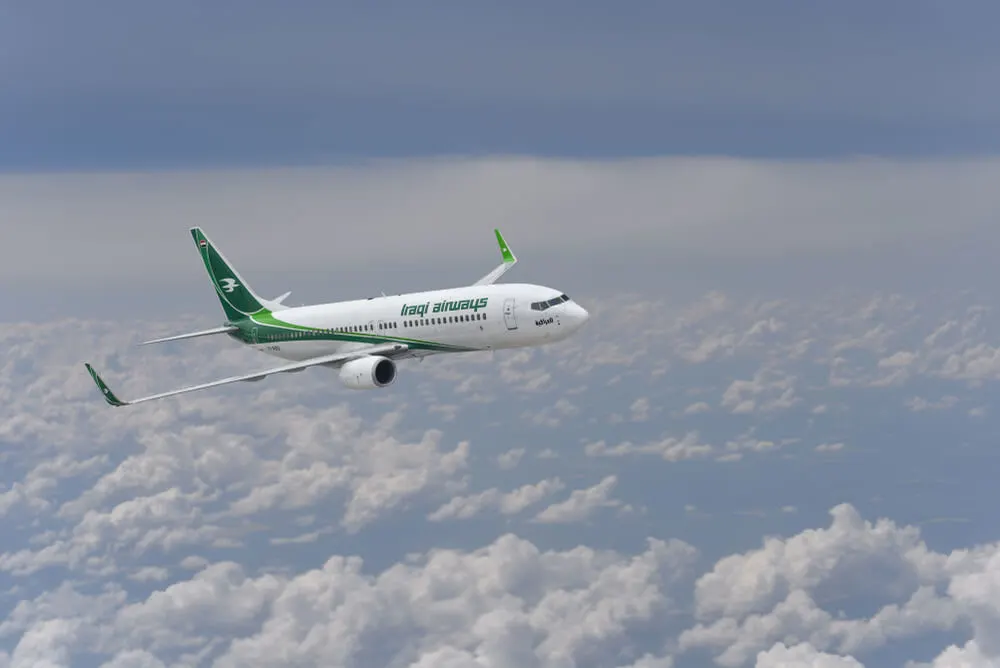
Iraqi Airways has entered urgent talks with European officials to lift its airspace ban, which has barred the carrier from the EU since 2015.
Key Takeaways
- •Iraqi Airways holds urgent technical talks with EU officials to lift airspace ban.
- •Carrier has completed 78% of safety and compliance requirements to date.
- •Fleet modernization program aims for 53 active aircraft by 2027.
- •EASA Third Country Operator audit is expected to take place in 2027.
The Iraqi Ministry of Transport has initiated high-level technical discussions with European Union officials in a diplomatic effort to resolve the Iraqi Airways EU ban. Iraqi Minister of Transport Wahb Al-Hasani and EU Ambassador Klemens Semtner are leading these Iraq aviation safety talks, aiming to restore direct flights between Baghdad and European destinations. The carrier has been barred from operating its own aircraft in European airspace since 2015 due to safety oversight concerns, and must secure an EASA (European Union Aviation Safety Agency) Third Country Operator (TCO) authorization to return.
The resolution of this airspace restriction is a critical milestone for Iraq's national carrier, which currently relies on wet-lease ACMI (Aircraft, Crew, Maintenance, and Insurance) agreements with European-approved charter airlines to serve EU destinations. This operational workaround increases operating costs and limits the airline's ability to capitalize on its multi-billion dollar fleet modernization program. Resolving the technical disputes with EASA would allow Iraqi Airways to operate its own flights directly, shifting the competitive landscape in the Middle East.
Progress Toward Regulatory Compliance
According to the Iraqi Ministry of Transport, the airline has successfully fulfilled 78% of the safety and compliance requirements required to remove the carrier from the EU Air Safety List. The primary regulatory hurdle remains obtaining the EASA TCO authorization, which is a mandatory safety clearance for non-EU airlines.
To achieve this, Iraqi Airways is actively undergoing the IOSA (IATA Operational Safety Audit) certification process, an internationally recognized safety evaluation system. Meitham al-Safi, Spokesman for the Iraqi Ministry of Transport, stated, "Lifting the ban depends on two main tracks. The first is correcting the shortcomings identified by IOSA, and the second is obtaining the TCO certificate."
The airline's strategy is heavily supported by an ongoing fleet modernization program. Iraqi Airways plans to expand its active fleet to 53 modern aircraft by 2027. This order book includes next-generation models such as the Boeing 787 Dreamliner, Boeing 737 MAX, and Airbus A220, which are designed to meet stringent international environmental and safety standards.
Historical Precedents for Airspace Reinstatement
The effort to lift the ban mirrors successful regulatory exits by other national carriers. In November 2024, Pakistan International Airlines (PIA) successfully had its EASA TCO suspension lifted after the Pakistan Civil Aviation Authority addressed systemic safety oversight and pilot licensing deficiencies.
Similarly, in July 2013, Philippine Airlines was removed from the EU Air Safety List after a three-year ban, following comprehensive fleet modernization and regulatory reforms by the Philippine civil aviation authority. These historical precedents demonstrate that while EASA maintains a strict evaluation process, structured technical cooperation and fleet renewal can successfully restore European airspace access.
The Path to Compliance and TCO Authorization
The regulatory challenges facing Iraqi Airways reflect a broader industry trend where developing aviation markets leverage the IOSA framework as a stepping stone to satisfy EASA and Federal Aviation Administration (FAA) requirements. Transitioning from a legacy fleet to modern aircraft like the Boeing 737 MAX and Airbus A220 reduces mechanical reliability risks, which historically triggered safety audits. However, fleet modernization alone is insufficient without robust civil aviation authority oversight. The current talks represent a coordinated effort to align Iraqi civil aviation regulations with international civil aviation standards, addressing the systemic oversight gaps that led to the 2015 ban.
Timeline for IOSA and EASA Audits
The roadmap for lifting the flight ban involves several key regulatory milestones:
- Completion of IOSA requirements: Iraqi Airways is expected to complete its IATA Operational Safety Audit requirements by late 2026.
- EASA Third Country Operator certification audit: Following successful IOSA completion, EASA is expected to conduct a formal TCO audit in 2027 to verify compliance before legally lifting the airspace ban.
Why Direct European Access Matters
Regaining direct access to European airspace is a high-stakes development for Iraqi Airways, enabling it to capture direct travel demand from the Iraqi diaspora and business travelers. For regional connecting hubs like Turkish Airlines and Qatar Airways, direct Baghdad-Europe flights could marginally reduce transit traffic. Conversely, wet-lease ACMI providers that currently operate flights on behalf of Iraqi Airways face the loss of lucrative charter contracts once the national carrier is cleared to fly its own aircraft.
Frequently Asked Questions
- Why is Iraqi Airways banned from flying to the European Union?
- Iraqi Airways was added to the EU Air Safety List in 2015 due to safety oversight concerns. To lift the ban, the airline must obtain a Third Country Operator authorization from EASA.
- What is Iraqi Airways doing to lift the European Union airspace ban?
- The airline is working to complete the IATA Operational Safety Audit and has fulfilled 78% of the safety requirements. Additionally, Iraqi Airways is modernizing its fleet with plans to operate 53 aircraft by 2027.
For global airline trends and commercial aviation news, turn to omniflights.com. Follow aviation sustainability efforts, emissions research, and green initiatives in the Environmental section at omniflights.com/environmental.

Written by Hardik Vishwakarma
Co-Founder & Aviation News Editor leading initiatives that improve trust and visibility across the global aviation industry. Covers airlines, airports, safety, and emerging technology.
Visit ProfileYou Might Also Like
FAA Clears Boeing 737 MAX 10 Software Glitch

FAA Faces $3.5 Billion Shortfall in ATC Modernization
FAA Pauses Flights into LAX Due to Staffing Shortages
FAA Proposes Ending Overland Supersonic Flight Ban

DOT Rule Exempts Airlines From Cyberattack Delay Costs