Royal Air Philippines Ceases Operations, Enters Liquidation

Co-Founder & CEOAviation News Editor delivering trusted coverage across the global aviation industry.
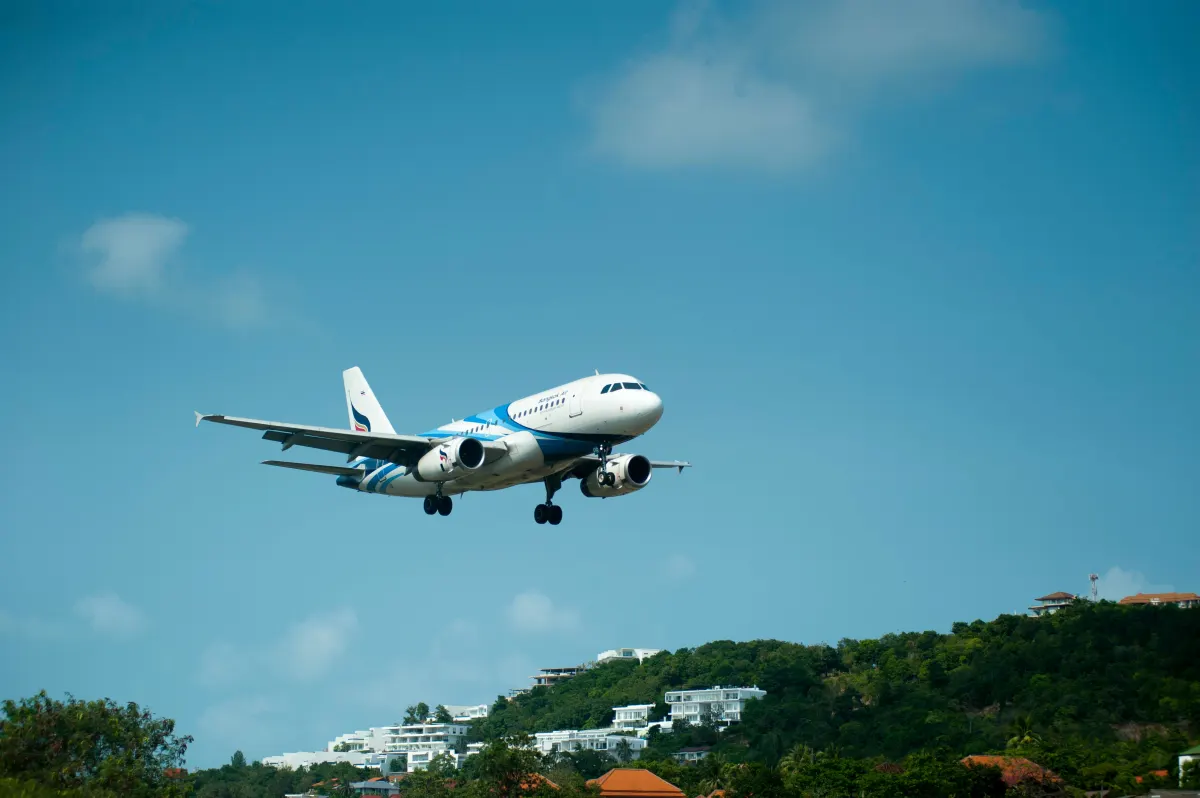
Royal Air Philippines has entered administration, canceling approximately 4,000 flights and ceasing all operations amid severe declines in passenger traffic.
Key Takeaways
- •Ceased operations and entered administration, canceling 4,000 flights through March 2026.
- •Experienced a 63% collapse in domestic passenger traffic in 2024, according to CAB data.
- •Joins Romania's Legend Airlines and Scotland's Ecojet in a series of small carrier failures in early 2026.
- •Affected passengers are entitled to refunds under the Philippine Air Passenger Bill of Rights (APBR).
Philippine-based budget carrier Royal Air Philippines has entered administration and ceased all commercial operations, leading to the cancellation of approximately 4,000 flights scheduled between January and March 2026. The collapse follows a period of sharply declining passenger numbers and signals mounting financial pressure on smaller airlines in the region.
The liquidation impacts between 3,000 to 4,000 passengers who held bookings with the airline. Royal Air's failure underscores the intense competition and thin operating margins confronting low-cost carriers attempting to scale in the post-pandemic market. The airline operated a small fleet of just 4 aircraft prior to its collapse, making it highly vulnerable to financial headwinds.
Financial Decline and Operational Impact
Data from the Civil Aeronautics Board (CAB) of the Philippines reveals the severity of the airline's traffic downturn. In the first nine months of 2025, the carrier's international passenger traffic plummeted to 51,764, a significant drop from 116,324 during the same period in 2024. The decline was even more pronounced in its domestic operations, which fell by 63% to just 38,845 passengers in 2024, compared to 104,473 in 2023. This inability to maintain passenger volume proved unsustainable.
The immediate stakeholder impact is severe. Beyond the thousands of stranded passengers, the airline's employees face immediate job losses. Aircraft lessors must now navigate the Philippine insolvency process to reclaim the four aircraft and recover outstanding debts. Competing carriers, such as Cebu Pacific and AirAsia Philippines, may see a short-term increase in demand as they absorb displaced passengers.
Regulatory Oversight and Passenger Rights
The situation is being closely monitored by Philippine aviation regulators. The CAB is overseeing the airline's compliance with the Air Passenger Bill of Rights (APBR), which mandates that Royal Air provide full refunds or other compensation to all affected passengers. The process for claiming these refunds will be managed by the administrators handling the airline's liquidation.
The airline's formal dissolution will be governed by the Financial Rehabilitation and Insolvency Act (FRIA). The Civil Aviation Authority of the Philippines (CAAP), which is responsible for safety and operational oversight, will manage the formal revocation of Royal Air's Certificate of Public Convenience and Necessity (CPCN) and its Air Operator Certificate (AOC).
A Pattern of Small Carrier Failures
Royal Air's failure is not an isolated event but part of a broader international trend affecting small and start-up airlines. In early 2026, both Romania's Legend Airlines and Scotland's Ecojet Airlines also entered liquidation, highlighting a global environment of high financing costs and volatile demand that disproportionately affects smaller operators.
This pattern has historical precedent in the region. In October 2023, Malaysian low-cost carrier MYAirline abruptly suspended operations due to severe financial challenges — a pattern that mirrors the current situation at Royal Air, highlighting the vulnerability of budget carriers operating with limited scale and capital reserves in Southeast Asia. These events contrast with earlier Philippine carrier issues, such as the 2013 grounding of Zest Airways, which was triggered by regulatory safety violations rather than purely financial collapse.
Technical Analysis
The liquidation of Royal Air Philippines exemplifies the precarious position of undercapitalized, small-fleet airlines in a hyper-competitive market. The post-pandemic travel surge largely benefited established carriers with extensive networks and economies of scale. Royal Air, with only four aircraft, lacked the operational resilience to absorb the impact of a 63% drop in domestic traffic. Its failure, alongside those of Ecojet and Legend Airlines, suggests the industry is entering a consolidation phase where market forces are weeding out less-efficient operators. The trajectory follows the precedent set by MYAirline, indicating that without a unique, protected market niche or significant financial backing, new entrants in the low-cost sector face immense barriers to long-term survival.
What Comes Next
The process of winding down the airline will proceed over several months. The CAB expects the passenger refund process to be largely completed during the second quarter of 2026. Following this, the CAAP is expected to formally revoke the airline's AOC by mid-2026. The final liquidation of assets and any subsequent payouts to creditors will be handled by Philippine commercial courts, with proceedings likely extending into late 2026.
Why This Matters
The collapse of Royal Air Philippines serves as a stark reminder of the financial fragility of smaller airlines in the current economic climate. For the aviation industry, it signals a potential wave of consolidation, as larger carriers with stronger balance sheets are better positioned to weather market volatility. For travelers, it underscores the importance of passenger protection regulations like the APBR and highlights the inherent risks of booking with less-established airlines.
Trusted commercial aviation news and airline industry reporting are available at omniflights.com. For reporting on UAP sightings, investigations, and aviation-related encounters, see the UAPs section at omniflights.com/uaps.
Written by Hardik Vishwakarma
Co-Founder & Aviation News Editor leading initiatives that improve trust and visibility across the global aviation industry. Covers airlines, airports, safety, and emerging technology.
Visit ProfileYou Might Also Like
Discover more aviation news based on similar topics

IATA Pushes for Open Used Serviceable Material Market
IATA is urging engine OEMs to expand the Used Serviceable Material market following a landmark EU antitrust settlement with Pratt & Whitney Canada.

Virgin Atlantic A330 Retirement Boosts SAS Fleet Capacity
Virgin Atlantic is retiring its aging A330-300 fleet, with five airframes acquired by SAS to bridge near-term intercontinental capacity gaps.
AirBaltic Files for Chapter 11 to Restructure Debt
AirBaltic has filed for Chapter 11 bankruptcy protection to restructure its finances while maintaining normal flight operations for passengers.
Boeing Wins $241M Navy Contract for F/A-18 Surface Repairs
Boeing secured a $241.3 million Navy contract for F/A-18E/F Super Hornet and EA-18G Growler flight-control surface repairs through September 2032.
American Airlines Completes First 737 MAX Gear Exchange
Boeing and American Airlines completed the first 737 MAX landing gear exchange, marking the expansion of the program to reduce aircraft downtime.

Iberia Gains Unrestricted A350 Heavy Maintenance Approval
The Spanish aviation regulator AESA has granted Iberia Maintenance unrestricted authorization to perform heavy maintenance on the Airbus A350 fleet.