Qatar Airways Resumes Flights via Limited Safe Air Corridor

Co-Founder & CEOAviation News Editor delivering trusted coverage across the global aviation industry.
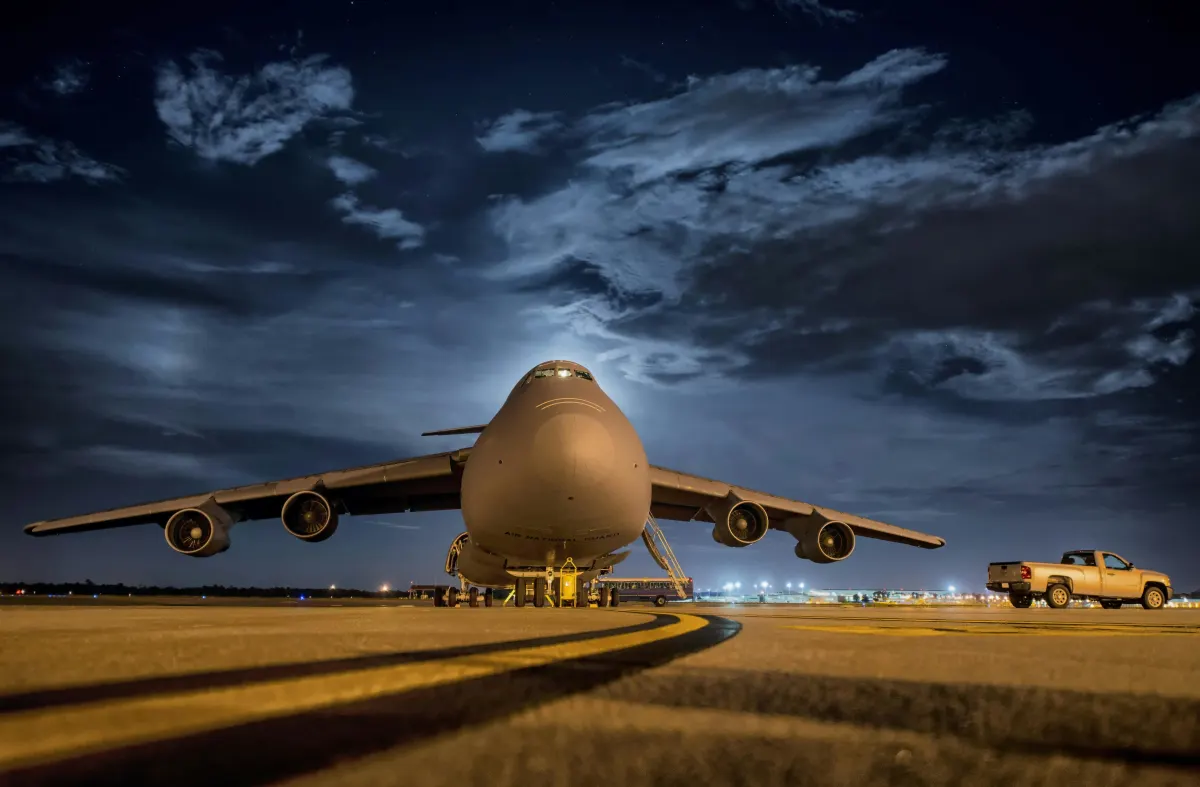
Qatar Airways is gradually resuming flights from its Doha hub via a limited safe air corridor following weeks of disruptions due to regional military strikes.
Key Takeaways
- •Resuming limited flights from Doha via a temporary safe air corridor under QCAA authority.
- •Highlights vulnerability of Gulf hubs, as regional conflict cut global air cargo capacity by up to 22%.
- •Faces significant rerouting costs with fuel burn increasing 30-50% on diverted routes.
- •Operates under a strict European Union Aviation Safety Agency (EASA) advisory restricting regional airspace.
Qatar Airways is gradually resuming scheduled services from its hub at Doha Hamad International Airport (DOH) following weeks of severe disruptions caused by military strikes in the Middle East. The airline is operating a highly restricted schedule within a temporary safe air corridor authorized by the Qatar Civil Aviation Authority (QCAA). This development comes after regional airspace closures led to widespread cancellations, with over 23,810 flights grounded by major Middle East carriers in the first two weeks of the crisis, according to a logistics advisory from SEKO Logistics.
The resumption is tentative and subject to last-minute changes, reflecting the volatile security situation. The limited corridor allows for a significantly reduced number of departures compared to the airline's pre-crisis capacity, creating ongoing challenges for passengers and global supply chains.
Operational and Cargo Impact
The airspace closures have had a profound effect on global aviation, particularly on air cargo. According to SEKO Logistics, global air cargo capacity dropped by an estimated 18-22% compared to pre-crisis levels. This capacity crunch is a direct result of the grounding of widebody passenger aircraft, which carry significant belly-hold freight, and the operational standstill at major cargo hubs like Doha. The disruption has created a severe bottleneck for shippers, especially those moving goods between Asia and Europe.
Airlines forced to bypass the Middle East are incurring substantial operational costs. Rerouted flights are experiencing a 30-50% increase in fuel burn by adding two to five hours of flight time per leg. This situation impacts not only costs but also carbon emissions, undermining industry sustainability efforts.
The crisis exposes the vulnerability of the hub-and-spoke model employed by Gulf carriers, which rely on processing massive volumes of transit traffic. Industry analyst John Strickland of JLS Consulting noted that airlines face an "immediate challenge" managing stranded transfer passengers, as Gulf hubs typically handle around half a million passengers daily.
A History of Airspace Challenges
This is not the first time Qatar Airways has contended with severe airspace restrictions. The airline has significant institutional experience from the Qatar Diplomatic Crisis, which began in June 2017 and lasted until January 2021. During that period, neighboring countries blocked Qatar Airways from their airspace, forcing the carrier to operate through narrow corridors over Iran and Turkey. This historical precedent provided the airline with a unique operational playbook for managing flights from Doha under severe regional constraints.
That situation is analogous to other major airspace events, such as the Pakistan airspace closure in 2019, which also forced costly rerouting for Europe-Asia traffic. These precedents underscore the long-term operational and financial impacts of losing access to critical airspace blocks, a reality that now confronts the entire region.
Regulatory Framework and What Comes Next
The current operational environment is governed by strict regulatory advisories. The European Union Aviation Safety Agency (EASA) has issued a Conflict Zone Information Bulletin (CZIB), specifically CZIB 2026-03-R4, advising operators to avoid all altitudes within affected Middle East airspace. The QCAA's authorization of a safe corridor provides a critical but limited exception to this broader warning.
Looking ahead, the industry is monitoring key regulatory milestones. EASA is scheduled to review and potentially extend its CZIB on March 27, 2026. While the QCAA has not confirmed a specific date, a full reopening of Qatari airspace for unrestricted commercial flights is tentatively expected in April 2026, pending a de-escalation of regional military activities.
Why This Matters
The gradual resumption of Qatar Airways' services highlights the profound fragility of global aviation networks in the face of geopolitical conflict. The event demonstrates how localized military actions can trigger cascading disruptions across international passenger travel and critical supply chains. For the aviation industry, it serves as a stark reminder of the operational and financial risks inherent in routing a significant portion of global traffic through politically sensitive regions, reinforcing the vulnerability of the Middle East hub-and-spoke model.
Get breaking commercial aviation news and expert airline analysis at omniflights.com. Follow aviation sustainability efforts, emissions research, and green initiatives in the Environmental section at omniflights.com/environmental.
Written by Hardik Vishwakarma
Co-Founder & Aviation News Editor leading initiatives that improve trust and visibility across the global aviation industry. Covers airlines, airports, safety, and emerging technology.
Visit ProfileYou Might Also Like
Discover more aviation news based on similar topics

Flydubai Upgrading 21 Boeing 737 MAX 8s to Flat Bed Seats
Flydubai is retrofitting 21 Boeing 737 MAX 8 aircraft with lie-flat business class seats to standardize its premium product by late 2027.
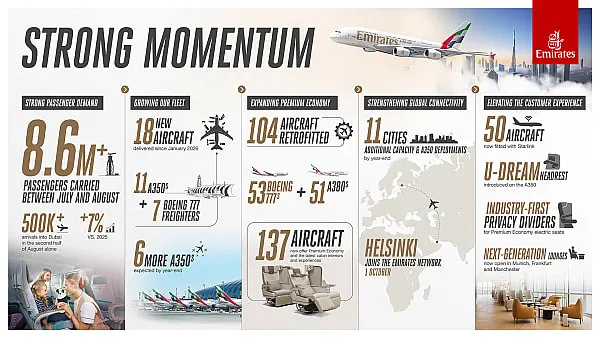
Emirates Winter Booking Momentum Grows Amid Fleet Expansion
Emirates carried 8.6 million passengers this summer and enters winter with strong demand as it accelerates fleet retrofits and network growth.
Air Arabia Consortium Gains AOC for New Dammam Budget Airline
A Saudi GACA-led consortium including Air Arabia has secured an AOC to launch a new budget airline based at Dammam's King Fahd International Airport.
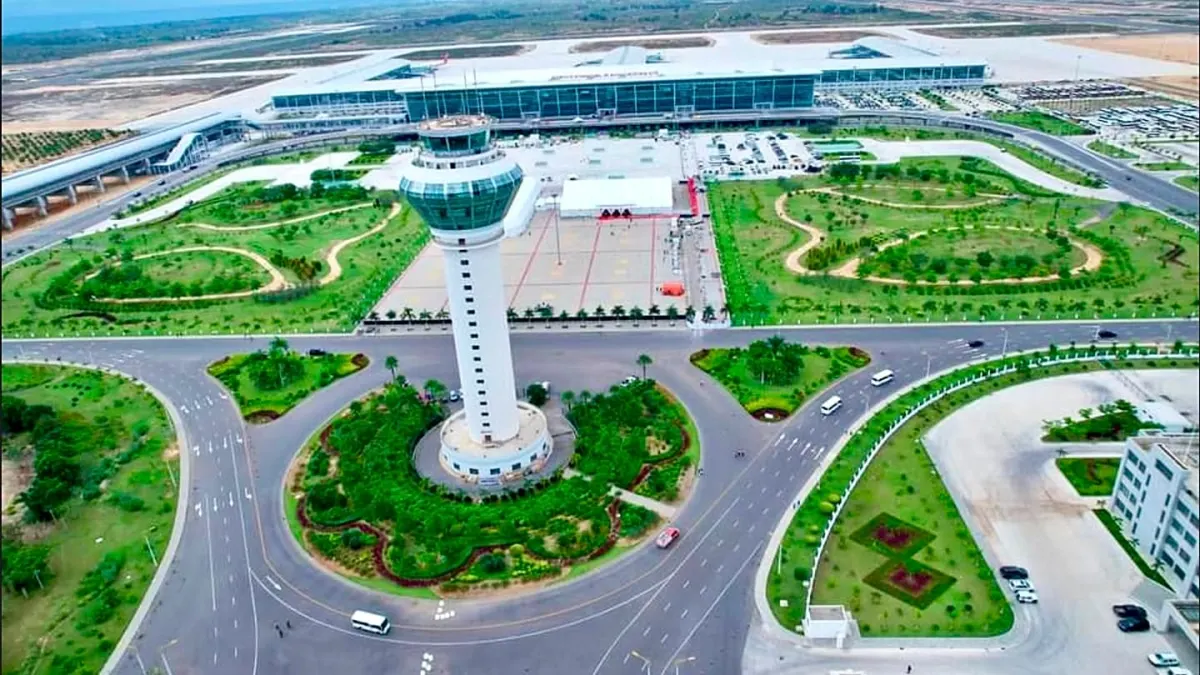
Turkish Airlines Exits Luanda as Angola Hub Struggles
Turkish Airlines dropped its Luanda route as Angola's new airport struggles to attract traffic, handling only 756,028 passengers in 2025.

Red Sea Airlines Leases Two 737 MAX 8s for 2027 Expansion
Red Sea Airlines signed a lease for two Boeing 737 MAX 8 aircraft from SMBC Aviation Capital, arriving in 2027 to support its 14-aircraft fleet goal.
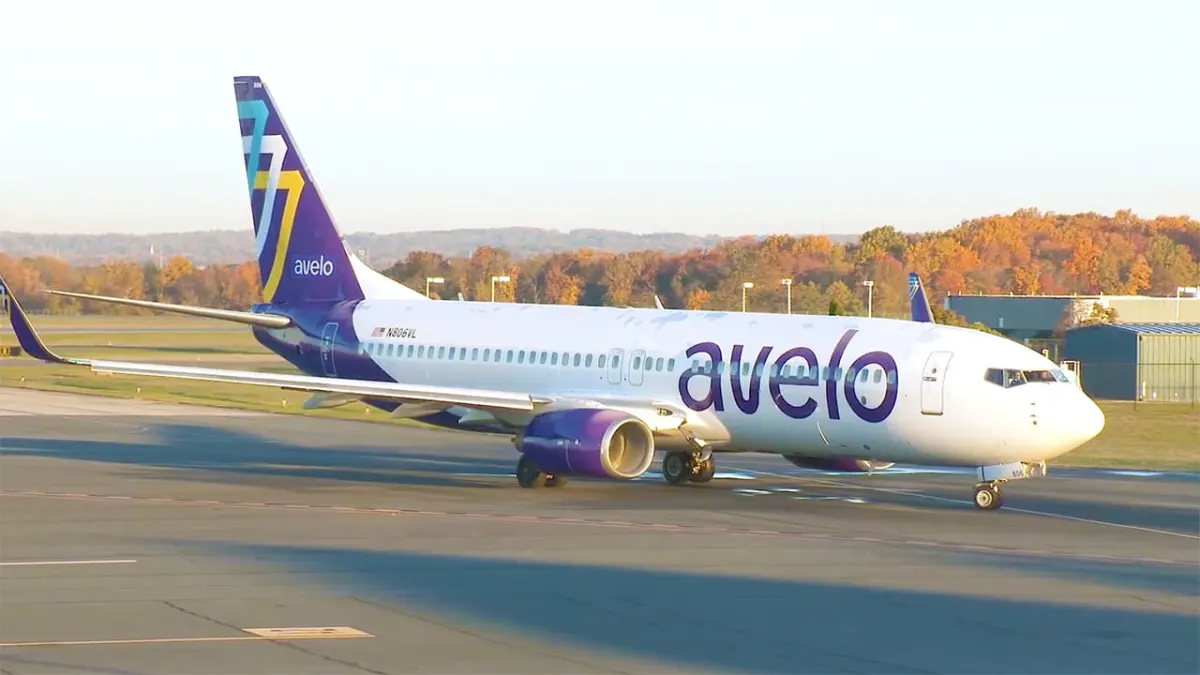
Avelo CEO Warns Airfares May Rise on Jet Fuel Price Spikes
Avelo Airlines CEO Andrew Levy warns that rising fuel costs may force fare increases as global jet fuel prices reach $171.01 per barrel.