Qatar Airways Relocates Widebody Jets to Spain Amid Mideast Conflict

Co-Founder & CEOAviation News Editor delivering trusted coverage across the global aviation industry.
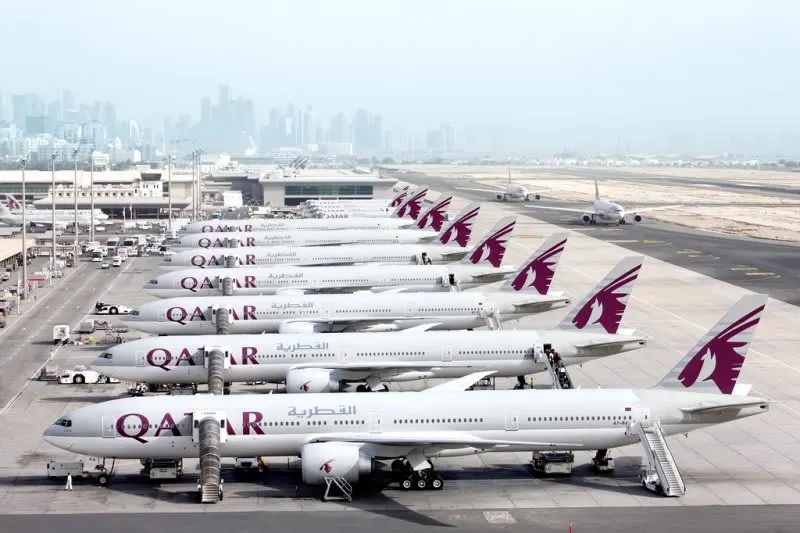
Qatar Airways is relocating its widebody fleet to Teruel, Spain, for storage and maintenance due to escalating airspace closures in the Middle East.
Key Takeaways
- •Relocating over a dozen widebody jets, including A330s, A350s, and an A380, to Teruel, Spain.
- •Protecting high-value aviation assets in response to Middle East airspace closures.
- •Contributing to a global air cargo capacity reduction of up to 20% due to grounded aircraft.
- •Utilizing TARMAC Aerosave's facility for long-term storage and EASA-regulated deep maintenance.
In response to escalating geopolitical tensions and widespread airspace closures in the Middle East, Qatar Airways has initiated a significant fleet relocation program, moving numerous widebody jets to Spain for safekeeping. The move underscores a growing trend of airlines taking preemptive measures to protect high-value assets from regional conflicts. Flight tracking data confirms that at least five Airbus A330 jets and an Airbus A380 have already landed at Teruel Airport (TEV), a facility known for its extensive aircraft storage and maintenance capabilities.
The relocation is not limited to a few aircraft. A second wave of aircraft, including three Airbus A350-900s, a Boeing 787-8, and a Boeing 787-9, were tracked en route from various African hubs to Teruel. This strategic repositioning disrupts the carrier's Doha-based operations and has immediate consequences for the global air cargo market. The grounding of these widebody aircraft contributes to a significant reduction in global airfreight capacity, which has already dropped by up to 20%, equivalent to over 500,000 tonnes, due to the conflict.
Strategic Importance of Teruel
Teruel Airport, located in eastern Spain, has become a critical hub for aircraft Maintenance, Repair, and Overhaul (MRO) and long-term storage. The facility is operated by TARMAC Aerosave, a joint venture specializing in aircraft maintenance and recycling. According to TARMAC Aerosave's official specifications, its Teruel site can accommodate up to 120 aircraft, making it one of Europe's largest such facilities. The aircraft arriving from Qatar Airways will undergo deep maintenance and preservation procedures governed by the European Union Aviation Safety Agency (EASA) under EASA Part 145 regulations, ensuring they remain in airworthy condition during their stay.
The decision to move the fleet highlights a crucial lesson learned from recent geopolitical events. In February 2022, the closure of Ukrainian airspace resulted in hundreds of leased aircraft being stranded, leading to massive insurance write-offs. This precedent has made airlines wary of leaving valuable assets in or near active conflict zones. Similarly, the mass fleet groundings during the COVID-19 pandemic in March 2020 demonstrated Teruel's capacity to serve as a strategic safe haven, when it hosted over 125 airliners.
Fleet and Market Impact
The impact of this decision extends across multiple stakeholders. For Qatar Airways, the move represents a significant disruption to its hub-and-spoke model and a loss of revenue-generating capacity. For TARMAC Aerosave, it brings a sudden influx of high-value maintenance and storage contracts, boosting facility utilization to levels not seen since the pandemic's peak. Global air cargo shippers are also directly affected, facing reduced capacity and potentially higher shipping costs.
This relocation may also align with Qatar Airways' long-term fleet strategy. According to one perspective from Aviation.Direct, the move could be an opportunity to accelerate the planned retirement of its older A330 fleet, optimizing operating costs while navigating the crisis. The airline has a confirmed plan to completely retire its A330s by 2028.
Technical Analysis
This development indicates a paradigm shift in how major airlines manage geopolitical risk. The proactive relocation of a significant portion of a flag carrier's widebody fleet is a defensive maneuver that prioritizes asset preservation over network continuity. Historically, similar situations like the Ukraine airspace closure have led to reactive measures after assets were compromised. Qatar Airways' action, however, follows the precedent set during the COVID-19 pandemic, where long-term storage facilities became essential infrastructure for preserving fleet value during a global crisis. The data suggests that airlines with hubs in volatile regions must now integrate contingency plans for mass fleet relocation into their core operational strategy. This trend solidifies the role of specialized MRO and storage providers like TARMAC Aerosave as critical partners in aviation asset management.
What Comes Next
The timeline for the return of these aircraft to active service remains uncertain and is directly tied to the resolution of the Middle East conflict. The Qatar Civil Aviation Authority has not provided a forecast for when full flight schedules might resume. In the interim, the aviation industry will be watching to see how competitors respond. While Qatar Airways takes a cautious approach, some rivals like Emirates are reportedly maintaining aggressive operational schedules with over 350 daily flights.
Longer-term, the focus for Qatar Airways will be its confirmed milestone to complete the retirement of its entire Airbus A330 fleet by 2028. The current storage of these aircraft in Teruel may represent the first step in their phased withdrawal from service.
Why This Matters
The relocation of Qatar Airways' fleet is more than a logistical challenge; it is a clear signal of how geopolitical instability is reshaping global aviation. The move demonstrates that major carriers are now willing to absorb significant operational disruptions to protect billions of dollars in aircraft assets. For the wider industry, it highlights the increasing importance of strategic partnerships with maintenance and storage facilities and the vulnerability of global supply chains to regional conflicts.
omniflights.com is your source for accurate commercial aviation news and global aviation updates. Get the latest updates on major hubs, regional terminals, and airport operations via the Airports section at omniflights.com/airports.
Written by Hardik Vishwakarma
Co-Founder & Aviation News Editor leading initiatives that improve trust and visibility across the global aviation industry. Covers airlines, airports, safety, and emerging technology.
Visit ProfileYou Might Also Like
Discover more aviation news based on similar topics
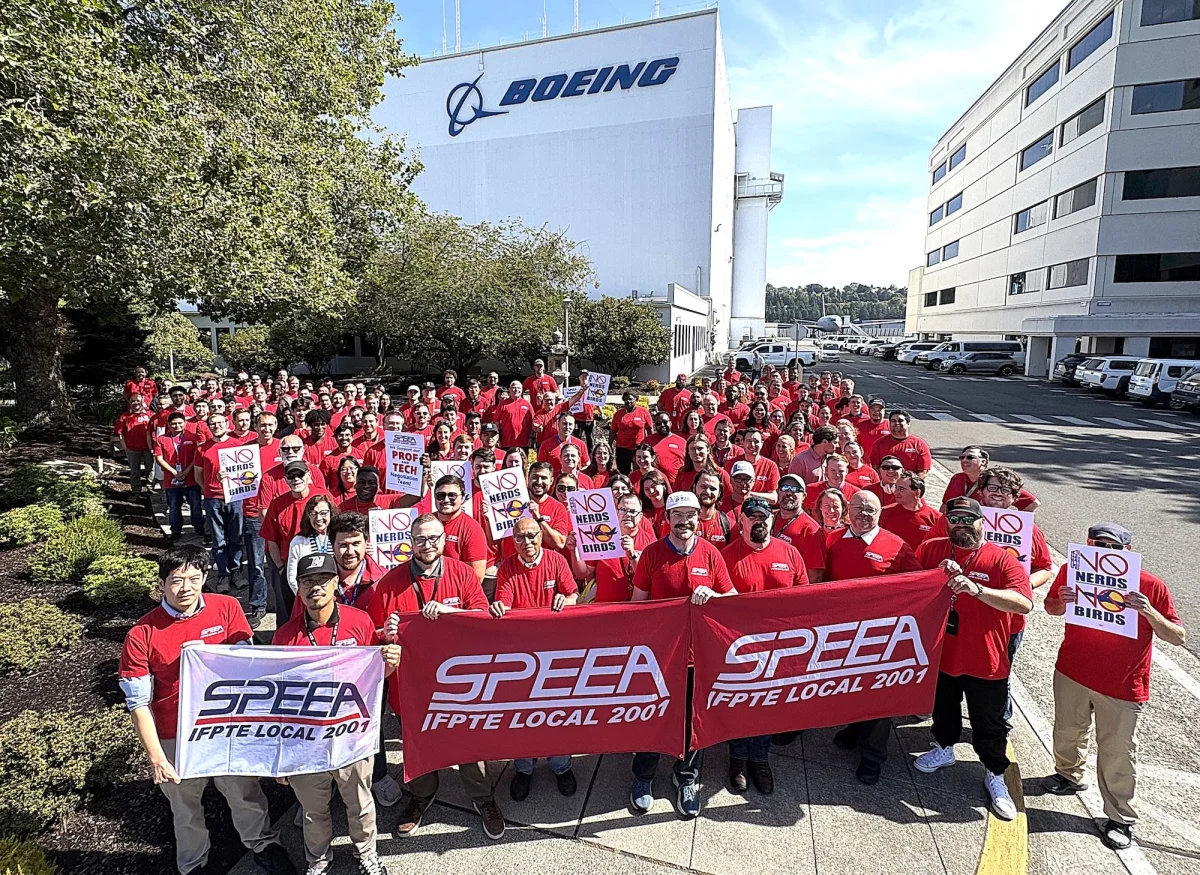
Boeing Tightens Spending Ahead of Critical SPEEA Union Vote
Boeing has implemented spending controls and a hiring freeze as it faces a critical contract ratification vote with its 17,000-member engineering union.

Boeing CEO Kelly Ortberg Warns of 777X Certification Delay
Boeing CEO Kelly Ortberg warned that a potential strike by 17,000 engineers would immediately halt the 777X certification and production programs.
American and United Plan Capacity Cuts Amid Fuel Cost Surge
American and United are trimming flight schedules to offset a $1 billion fuel cost spike while maintaining strong pricing power.
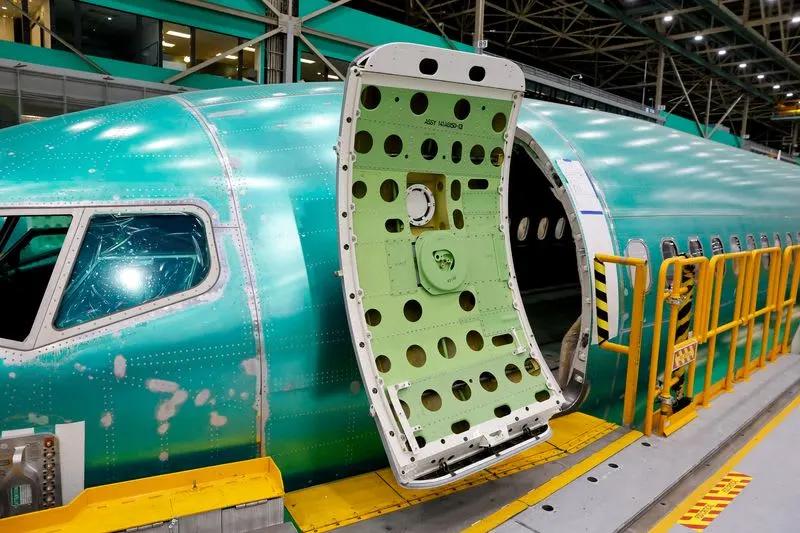
Boeing CEO Reports 737 MAX Output Stabilization Delays
Boeing CEO Kelly Ortberg reports slower 737 MAX production stabilization, prompting a downward revision in 2026 free cash flow expectations to $2 billion.
Boeing Finalizes KAL Order, Salvages Turkish Airlines Deal
Boeing secured a $36.2 billion order from Korean Air Lines for 103 aircraft and nears a resolution on a 150-jet deal with Turkish Airlines.
Airbus Forecasts 42,000 New Jets Amid Strong Global Demand
Airbus expects 42,000 new aircraft deliveries globally by 2045, with 45% of demand concentrated in the Asia-Pacific region.