Qatar Airways Gets Approval for Europe Repatriation Flights on March 7

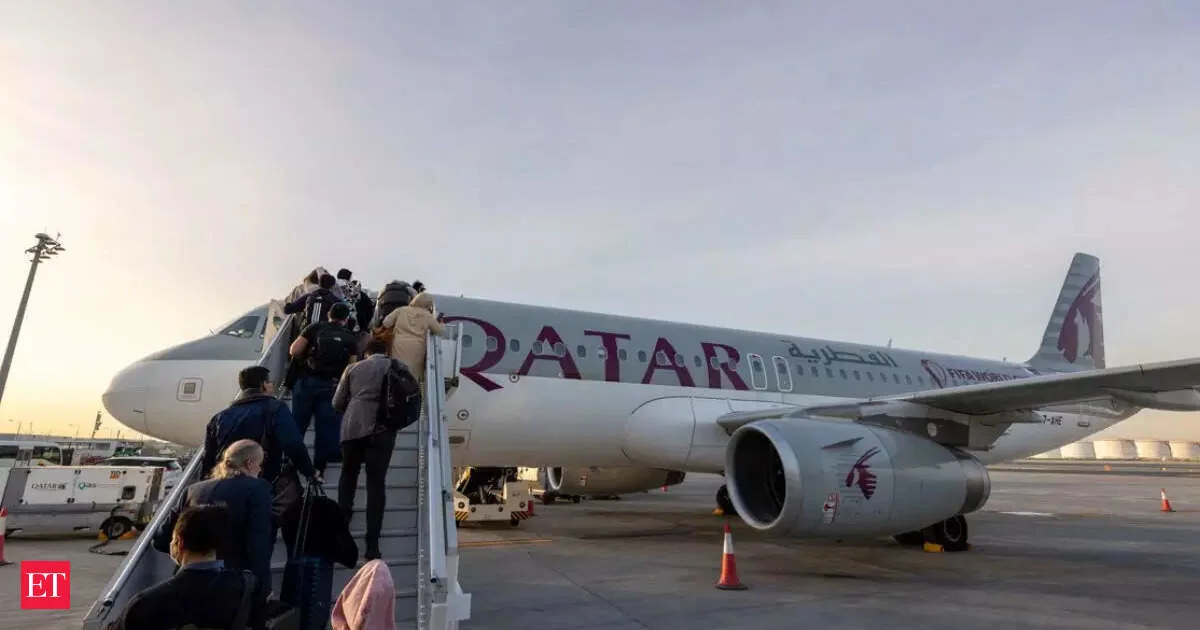
Qatar Airways will operate limited repatriation flights to Europe on March 7 after receiving temporary authorization from the Qatar Civil Aviation Authority.
Key Takeaways
- •Receives temporary approval from QCAA for repatriation flights on March 7.
- •Operates from Hamad International Airport, which handled 54.3 million passengers in 2025.
- •Flights target select European destinations to repatriate citizens.
- •Demonstrates operational readiness amidst the suspension of scheduled services.
Qatar Airways will operate a limited number of repatriation flights on March 7 from its hub at Hamad International Airport (HIA) to select European destinations. The special operations received temporary authorization from the Qatar Civil Aviation Authority (QCAA), allowing the airline to conduct the flights while its regularly scheduled services remain suspended.
The flights are designated for repatriation, a common practice for national carriers during periods of disruption to bring citizens home from foreign countries. While the specific European cities were not disclosed, the move underscores the airline's role in national crisis response. These operations are distinct from the carrier's normal commercial schedule and function under a specific, short-term regulatory allowance.
Hub Operations at Hamad International Airport
The flights will depart from Hamad International Airport (DOH) in Doha, a critical hub for global transit traffic. The airport's operational scale provides context for the significance of any service alterations. According to the official Hamad International Airport 2025 Traffic Report, HIA handled 54.3 million passengers in 2025. The facility also recorded 282,975 aircraft movements and managed 2.59 million tonnes of cargo during the same period.
Point-to-point traffic, representing passengers beginning or ending their journey in Doha, also saw growth, reaching 13.5 million in 2025, a 5.4% increase. This data highlights HIA's dual importance as both a major transit point and a destination gateway, positioning it in direct competition with other major hubs in the region like Dubai (DXB) and Abu Dhabi (AUH).
Qatar Airways Fleet and Leadership
Qatar Airways (QR) maintains a significant global presence, making it a key player in international air travel. As of November 2025, the airline's fleet consisted of 266 aircraft, serving more than 150 destinations worldwide. This extensive network is central to its strategy of connecting passengers through its Doha hub.
The airline recently underwent a leadership transition. On December 7, 2025, Hamad Ali Al-Khater was appointed Group Chief Executive Officer of Qatar Airways Group. Commenting on the transition, His Excellency Mr. Saad Sherida Al-Kaabi, Chairman of the Qatar Airways Group Board of Directors, stated, “With this leadership transition, Qatar Airways Group reaffirms its commitment to delivering world-class experiences, reliability, and innovation to travellers around the globe.” This commitment to reliability is often tested during irregular operations such as repatriation efforts.
Regulatory Framework and Authorization
The authorization for these flights comes from the Qatar Civil Aviation Authority (QCAA), the government body responsible for regulating the nation's aviation sector. The QCAA operates under the legal framework of Qatar's Civil Aviation Law No. (15) of 2002. Its functions include ensuring safety, security, and compliance with international standards set by bodies like the International Civil Aviation Organization (ICAO).
Issuing a temporary flight authorization is a key regulatory tool that allows the QCAA to permit specific flights for essential purposes, such as repatriation, humanitarian aid, or other emergencies, even when general travel restrictions or suspensions are in place. This mechanism provides the flexibility needed to respond to rapidly changing global circumstances.
Why This Matters
This development highlights the strategic role of state-owned flag carriers in serving national interests beyond commercial operations. The ability to quickly organize and receive regulatory approval for repatriation flights demonstrates both the airline's operational agility and the government's capacity to support its citizens abroad during crises. For the broader aviation industry, it serves as a reminder of the complex interplay between commercial airlines and national governments, particularly in the strategically vital Gulf region. The execution of such flights reinforces the airline's image as a reliable national asset.
For in-depth airline coverage and commercial aviation news, omniflights.com delivers timely industry insights. For reporting on UAP sightings, investigations, and aviation-related encounters, see the UAPs section at omniflights.com/uaps.

Written by Ujjwal Sukhwani
Aviation News Editor & Industry Analyst delivering clear coverage for a worldwide audience. Covers flight operations, safety regulations, and market trends with expert analysis.
Visit ProfileYou Might Also Like

Southwest Reports Record Q3 Revenue Amid Transformation
American Airlines Reports Record Q3 Revenue Amid Fuel Costs

American Airlines Projects 2026 Loss on Rising Fuel Costs

American Airlines to Nearly Triple Premium 787-9 Fleet

Airline Shares Rise Following United Revenue Guidance