Qantas Project Sunrise Delay Pushes A350-1000ULR to 2027

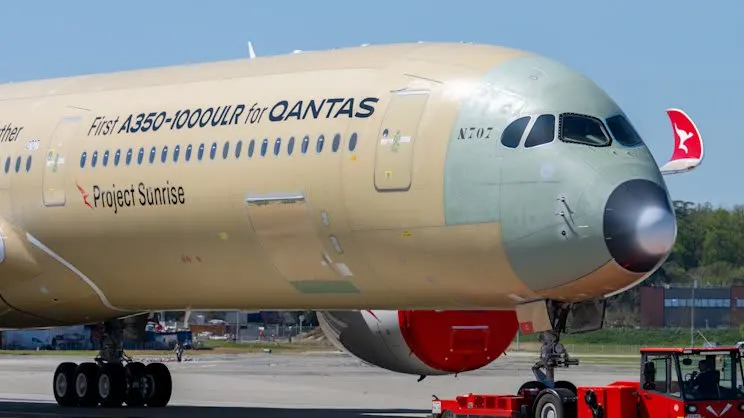
Qantas has delayed its Project Sunrise ultra-long-haul flights until at least mid-2027 due to manufacturing supply chain issues.
Key Takeaways
- •Qantas delays Project Sunrise flights to mid-2027 due to supply chain issues.
- •SAF costs remain 2-5 times higher than conventional fossil-based jet fuel.
- •Liquid hydrogen requires cooling to -253°C, posing long-term technical hurdles.
- •Increased passenger load factors have extended average boarding times by 7-14%.
Qantas Project Sunrise Delay and Fleet Impact
Qantas Airways has officially confirmed a further delay to its ambitious Project Sunrise initiative, pushing the expected launch of non-stop ultra-long-haul flights to London and New York into mid-2027. This adjustment stems from ongoing manufacturing supply chain challenges affecting the delivery of the specialized Airbus A350-1000 Ultra Long Range (A350-1000ULR). According to Qantas Airways ASX Announcements, the first aircraft delivery is now slated for April 2027, forcing the carrier to maintain existing one-stop itineraries for premium passengers for an extended period. This delay mirrors historical industry trends, such as the Boeing 777X entry-into-service delays, which have similarly forced airlines to extend the operational life of older fleets.
The Economic Reality of Sustainable Aviation Fuel
While the industry pushes toward decarbonization, the Sustainable Aviation Fuel (SAF) cost remains a significant barrier to widespread adoption. Current market data from S&P Global Commodity Insights indicates that SAF is priced between two and five times higher than conventional fossil-based jet fuel. Consequently, most airlines limit its usage to a small percentage of total consumption. As noted by the IATA - Sustainable Aviation Fuels resource, the ReFuelEU Aviation Initiative is beginning to mandate minimum blending shares, which will likely exert further pressure on airline operating costs. Environmental groups, including various advocacy organizations, have argued that these technological solutions are insufficient to meet climate goals, suggesting a shift toward demand management instead.
Technical Challenges: Liquid Hydrogen and Electric Power
Beyond SAFs, the industry is exploring liquid hydrogen aircraft fuel as a zero-emission alternative. However, the physical requirements for such a transition are immense. As specified in Airbus ZEROe Specifications, hydrogen must be cooled to -253°C to achieve a liquid state, a process necessary to provide the required energy density for commercial aviation. This cryogenic requirement represents a multi-decade engineering hurdle. Furthermore, battery technology limitations mean that large, long-haul aircraft remain reliant on liquid fuels, as electric propulsion cannot currently support the weight and range requirements of trans-continental routes.
Passenger Experience and Infrastructure Constraints
Despite improvements in automated check-in and e-passports, the broader passenger experience is increasingly hampered by infrastructure and operational constraints. Industry data shows that airlines are experiencing 7-14% longer boarding times due to higher capacity and increased carry-on baggage volumes. Additionally, airspace congestion at major hubs is forcing Air Traffic Control to utilize holding patterns more frequently, extending total flight times. These ground-level inefficiencies, combined with Aviation Security Screening Mandates from the Transportation Security Administration (TSA) and global counterparts, contribute to a perception that air travel is becoming less efficient despite technological advancements.
A350-1000ULR vs. Standard A350-1000: Key Specifications
| Metric | Airbus A350-1000ULR | Standard A350-1000 |
|---|---|---|
| Range | ~9,700 nm | 8,700 nm |
| Passenger Capacity | 238 seats | 350-410 seats |
| Addl. Fuel Capacity | 20,000 liters | 0 liters |
Liquid Hydrogen vs. Conventional Jet-A Fuel
| Metric | Liquid Hydrogen | Conventional Jet-A |
|---|---|---|
| Storage Temp | -253°C | Ambient |
| Carbon Emissions | Zero | High |
| Energy Density | 4x lower | Baseline |
When the Project Sunrise Flights Launch
The delivery of the first Airbus A350-1000ULR to Qantas is currently confirmed for April 2027. Following this, the airline expects to initiate commercial service for Project Sunrise routes in mid-2027. These dates remain subject to Qantas Investor Relations updates regarding the manufacturer's production timeline.
Why This Matters for Long-Haul Travel
The delay of Project Sunrise is a critical setback for Qantas, as the airline relies on these ultra-long-haul routes to capture high-yield premium traffic between Australia and major global financial hubs. For the broader industry, the situation highlights the fragility of flagship route planning when tied to specific, specialized aircraft variants. As the industry grapples with the transition to sustainable fuels and faces persistent ground-side congestion, the gap between the promise of 'faster, more comfortable' travel and the reality of current operations continues to widen.
Frequently Asked Questions
- Why has Qantas delayed its Project Sunrise flights?
- Qantas has delayed the launch of its ultra-long-haul Project Sunrise flights until mid-2027 due to ongoing manufacturing supply chain issues affecting the delivery of the Airbus A350-1000ULR aircraft.
- Why is Sustainable Aviation Fuel not currently used for all flights?
- Sustainable Aviation Fuel is currently two to five times more expensive than conventional jet fuel, which limits its adoption to a small percentage of total fuel consumption for most airlines.
From airline operations to fleet updates, commercial aviation news lives at omniflights.com. From aircraft production to supply chains, commercial aviation manufacturing news is covered at omniflights.com/manufacturing.

Written by Hardik Vishwakarma
Co-Founder & Aviation News Editor leading initiatives that improve trust and visibility across the global aviation industry. Covers airlines, airports, safety, and emerging technology.
Visit ProfileYou Might Also Like

Lufthansa A350-1000 to Debut on Munich-Haneda Route
Cathay Pacific Weighs Widebody Fleet Expansion Plans
American Airlines Drops 3 Routes Amid Network Optimization
JAL Orders 16 Embraer E190-E2 Jets for Regional Fleet
Volaris-Viva Merger Expected to Gain CNA Approval