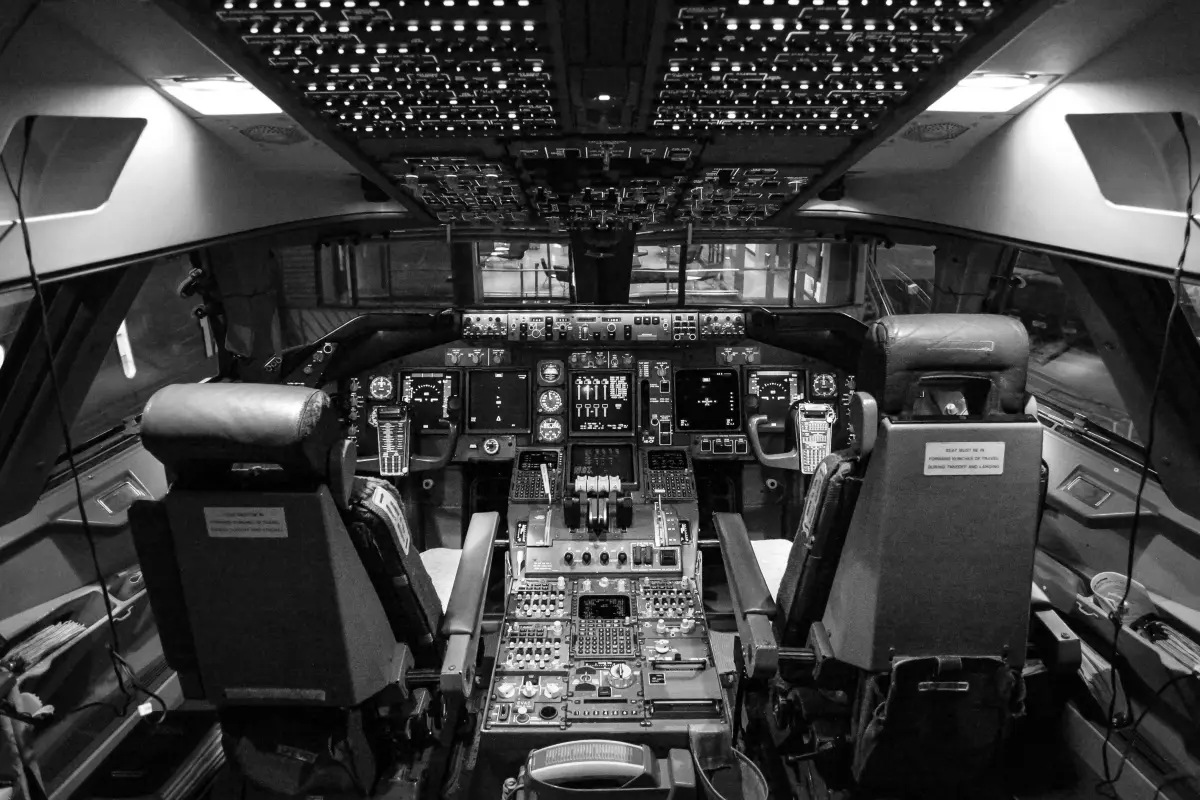
Qantas A350-1000ULR Begins Flight Tests for Project Sunrise

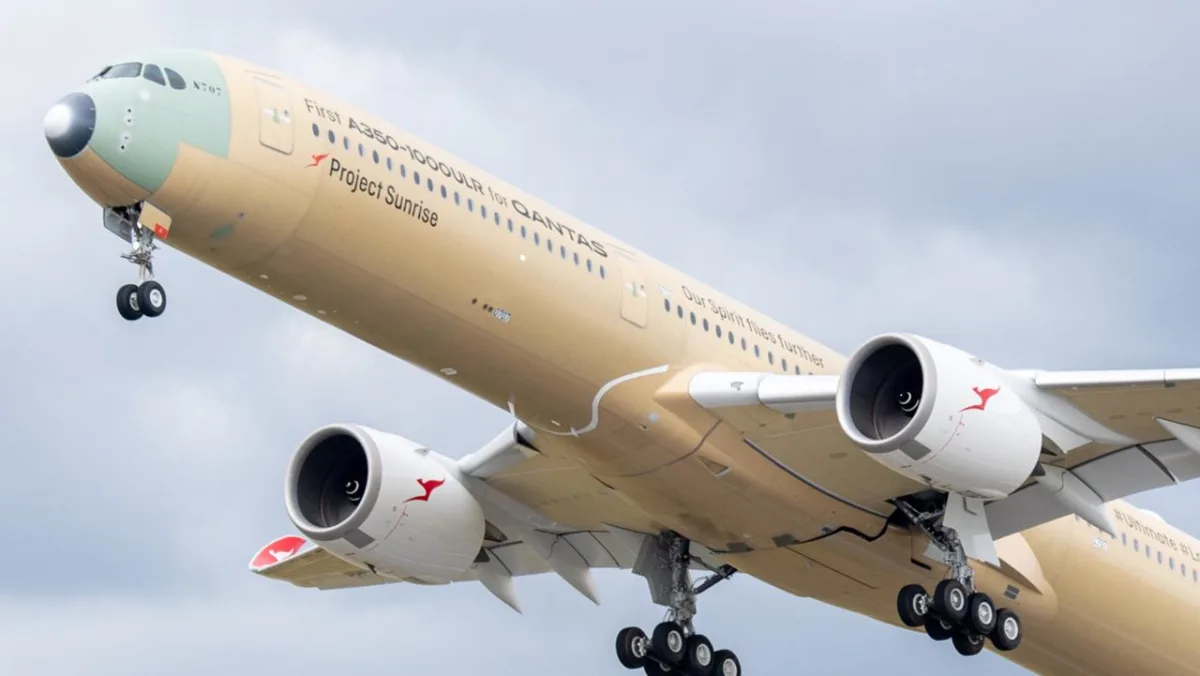
Qantas has begun flight testing the Airbus A350-1000ULR, a specialized aircraft designed to enable the world's longest commercial flight by 2027.
Key Takeaways
- •Qantas successfully tested the A350-1000ULR on June 2, 2026.
- •First aircraft delivery is now confirmed for April 2027.
- •The aircraft features a 20,000-litre Rear Centre Tank for range.
- •Qantas will configure the A350-1000ULR with 238 premium-heavy seats.
Qantas Project Sunrise Progresses
Qantas has reached a significant milestone in its Project Sunrise initiative, with the first test flight of the Airbus A350-1000ULR (Ultra Long Range) variant occurring on June 2, 2026. The aircraft departed from Toulouse, France, for a maiden mission lasting three hours and 43 minutes, during which it reached an altitude exceeding 41,000 feet. This test flight initiates a two-month certification campaign essential for the aircraft to eventually operate non-stop routes between Australia’s east coast and global hubs like London and New York.
The Technical Challenge of 22-Hour Missions
The A350-1000ULR is a heavily modified version of the standard widebody, specifically engineered to remain airborne for up to 22 hours. A critical technical feature is the integration of a 20,000-litre Rear Centre Tank (RCT), which extends the aircraft's range by approximately 1,000 nautical miles. The current flight test campaign, overseen by the European Union Aviation Safety Agency (EASA), focuses on validating the structural integrity of this fuel system and a new, more efficient galley air cooling system designed for extended service.
Supply Chain and Delivery Timeline
While this test flight represents a key advancement, the program has faced headwinds. Airbus confirmed that global aerospace supply chain disruptions have delayed the delivery of the first unit to Qantas until April 2027. Despite this, the airline remains focused on its operational roadmap. A spokesperson for the carrier noted that following the initial delivery, the next four aircraft are expected to arrive in quick succession, aiming to restore the original fleet schedule by November 2027. Qantas has ordered a total of 12 of these specialized airframes to anchor its long-haul strategy.
Cabin Configuration and Economic Strategy
To manage the weight and fuel burn associated with ultra-long-haul operations, Qantas has opted for a premium-heavy cabin configuration. The aircraft will feature only 238 seats, a significant reduction from the 300 to 350-plus seats found in standard configurations. This layout dedicates over 40% of the cabin footprint to premium seating, a strategy aimed at maximizing yields from high-value travelers who prioritize direct routing over traditional transit hubs. This approach mirrors the successful model established by Singapore Airlines, which currently operates the world's longest commercial flight between the New York area and Singapore.
Technical Analysis: The Economics of Ultra-Long-Haul
The shift toward ultra-long-haul point-to-point networks represents a fundamental evolution in aviation strategy. By utilizing twin-engine, fuel-efficient aircraft like the A350-1000ULR, airlines can bypass traditional transit hubs, effectively capturing a premium for time-sensitive passengers. Historically, the viability of such routes was limited by the high fuel consumption of four-engine aircraft, as seen when Singapore Airlines suspended its A340-500 services in 2013. The current trajectory suggests that the combination of lower seat density and superior engine efficiency provided by the Rolls-Royce Trent XWB-97 engines allows for a sustainable economic model, provided that fuel prices remain within manageable bounds and corporate travel demand remains robust.
What Comes Next: Certification and Entry into Service
The two-month flight test campaign is expected to conclude in late 2026, pending final EASA certification. Following this, the focus will shift to operational readiness, including the implementation of Fatigue Risk Management Systems (FRMS), which must be approved by the Civil Aviation Safety Authority (CASA) to support 22-hour duty periods for crews. With the first aircraft delivery confirmed for April 2027, Qantas is now utilizing simulators in Sydney to prepare its pilot workforce for the inauguration of these historic non-stop services later that year.
Why This Matters for Global Aviation
For the industry, Project Sunrise signals a potential decline in the dominance of major transit hubs, as carriers increasingly favor direct, long-distance connectivity. For passengers, the successful deployment of these aircraft will significantly reduce travel times by eliminating layovers, effectively reshaping the competitive landscape for international premium travel. The success of this program will likely influence how other major carriers approach fleet renewal and network design in an era where direct access is increasingly viewed as a primary competitive advantage.
Frequently Asked Questions
- What is the range of the Airbus A350-1000ULR?
- The A350-1000ULR is designed to operate continuously for up to 22 hours, with an additional 20,000-litre Rear Centre Tank that extends its range by approximately 1,000 nautical miles.
- When will Qantas receive its first A350-1000ULR aircraft?
- Due to supply chain disruptions, the delivery of the first Project Sunrise A350-1000ULR to Qantas has been officially delayed to April 2027.
omniflights.com provides comprehensive commercial aviation news covering airlines, aircraft, and airports. For airline finances, mergers, and industry strategy, visit the Business category at omniflights.com/business.

Written by Hardik Vishwakarma
Co-Founder & Aviation News Editor leading initiatives that improve trust and visibility across the global aviation industry. Covers airlines, airports, safety, and emerging technology.
Visit ProfileYou Might Also Like

Lufthansa A350-1000 to Debut on Munich-Haneda Route
Cathay Pacific Weighs Widebody Fleet Expansion Plans

American Airlines Drops 3 Routes Amid Network Optimization
JAL Orders 16 Embraer E190-E2 Jets for Regional Fleet
Volaris-Viva Merger Expected to Gain CNA Approval