Proactive Gate Checks Spark Passenger Complaints Over Empty Bins

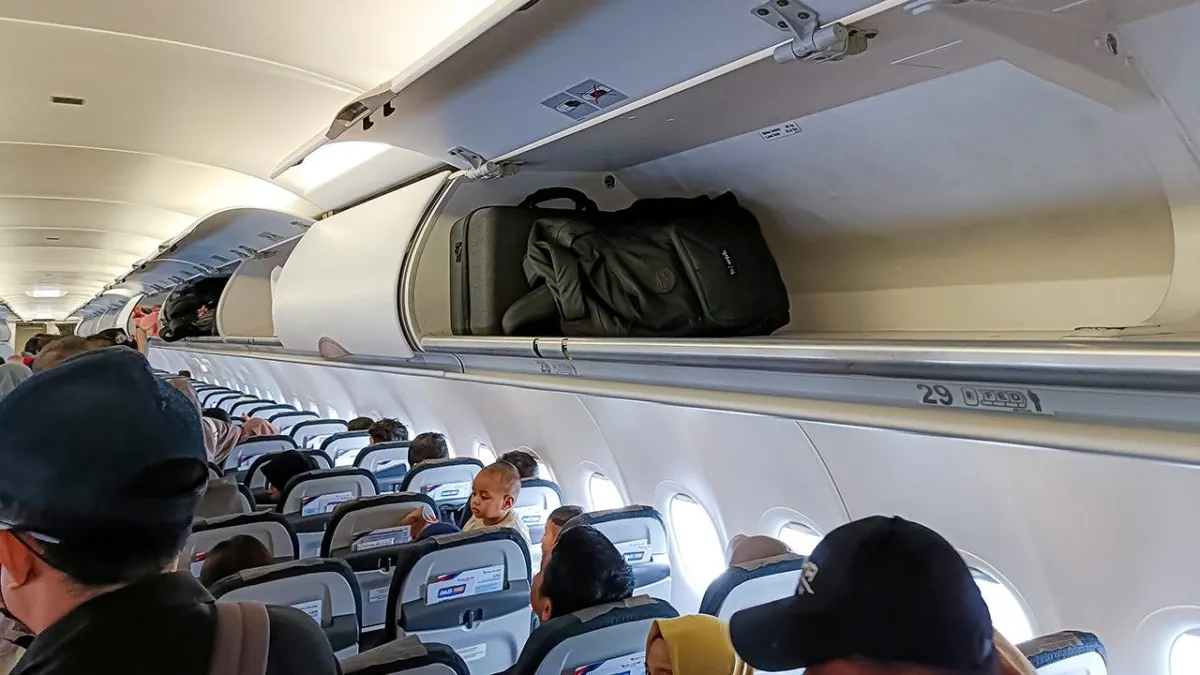
Airlines are forcing passengers to gate-check carry-on bags, even with empty bins, to protect on-time departure metrics and speed up turnaround times.
Key Takeaways
- •Airlines prioritize on-time departures by proactively gate-checking bags to avoid boarding delays.
- •The practice sparks passenger frustration as bags are checked despite visible empty overhead bin space.
- •Carriers are investing in high-capacity bins like Airbus Airspace and Boeing Space Bins, boosting capacity up to 60%.
- •Gate agent performance is often tied to on-time metrics, incentivizing early bag checks over passenger convenience.
Airline passengers are increasingly reporting that they are being required to gate-check carry-on luggage, even when they observe empty space in overhead bins upon boarding. The practice is driven by airline policies designed to protect tight operational schedules and ensure on-time departures, creating a point of friction between carrier efficiency and passenger convenience.
This proactive gate-checking strategy is a direct response to the operational challenges of modern air travel. Airlines prioritize minimizing Turnaround Time (TAT), the period an aircraft spends at the gate between flights. A key factor in maintaining TAT is preventing last-minute boarding delays. When passengers search for overhead space late in the boarding process, it can trigger a cascade of issues, including delays in closing the aircraft door. The Federal Aviation Administration (FAA) mandates under 14 CFR 121.589 that all carry-on baggage must be properly stowed before the main passenger entry door is closed, placing regulatory pressure on airlines to resolve all baggage issues before pushback.
Industry analysis indicates that Gate Agents (GAs) are often evaluated based on on-time departure metrics, known as D0. This incentivizes them to begin gate-checking bags early in the boarding process, before bins are physically full, to preemptively solve potential stowage problems. From an operational standpoint, checking a bag at the gate from a passenger who has already boarded is a complex process that risks significant delays, missed connections, and potential crew timeouts.
The Baggage Fee Legacy
The current tension over carry-on space has its roots in a fundamental shift in airline economics. The introduction of checked baggage fees by legacy carriers in 2008 incentivized passengers to maximize their carry-on allowance to avoid extra costs. This behavior was further entrenched by the rollout of Basic Economy fares around 2017, which often restrict passengers to a single personal item that fits under the seat, further monetizing cabin space. Consequently, overhead bins became a scarce and highly contested resource, leading to the boarding bottlenecks that airlines now seek to manage through proactive gate-checking.
For passengers, the impact is a loss of control over personal belongings, including fragile items, and added time spent waiting at the baggage carousel upon arrival. For gate agents, the policy places them in a difficult position, enforcing rules that often lead to passenger hostility while trying to meet stringent performance targets.
The Paradox of Bigger Bins
In response to the carry-on crunch, aircraft manufacturers and airlines have invested heavily in larger, more efficient overhead bins. However, the presence of these advanced bins has not eliminated the practice of early gate-checking. Airbus and Boeing have both introduced high-capacity solutions designed to accommodate more bags.
These retrofits and new cabin designs significantly increase storage. According to Airbus, its Airspace L Bins boost cabin baggage capacity by 60% by allowing standard carry-on bags to be loaded vertically on their sides. Similarly, Boeing's Space Bins have proven effective; on a 737-900ER, they increase luggage capacity from 134 to 199 bags.
Boeing 737-900ER Overhead Bins
| Metric | Space Bins | Standard Bins |
|---|---|---|
| Total Bag Capacity | 199 bags | 134 bags |
| Loading Orientation | Vertical on side | Flat |
Airbus A320 Family Overhead Bins
| Metric | Airspace L Bins | Standard Bins |
|---|---|---|
| Capacity Increase | +60% bag capacity | N/A |
| Installation Time | 3 to 5 days | N/A |
Technical Analysis
The data suggests a fundamental disconnect between hardware solutions and operational processes. While high-capacity bins address the physical space shortage, they do not resolve the procedural bottleneck of boarding. The core problem remains the time it takes for passengers to find space and stow their bags. Airlines have determined that the risk of a few passengers causing a delay by searching for space outweighs the customer dissatisfaction from proactively checking bags. This operational choice indicates that until the boarding process itself is fundamentally redesigned, gate-checking will persist as a tool to protect flight schedules, regardless of how large the overhead bins become. The trend reflects a broader industry prioritization of network-wide punctuality over individual passenger experience at the gate.
What Comes Next
The industry will continue to roll out cabin upgrades aimed at easing bin congestion. The Airbus A220 Airspace Cabin, which increases bag capacity by 15%, is expected to launch with carriers like Air Canada in early 2026. Despite these improvements, passengers should anticipate that airline gate-check policies will remain in place as long as on-time departure remains a primary performance metric for ground staff.
Why This Matters
This ongoing conflict highlights the tension between airline operational imperatives and the passenger experience. For travelers, it demonstrates that cabin capacity is only one part of the equation; airline boarding procedures and performance metrics are the ultimate determinants of whether a carry-on bag stays in the cabin. The practice signals that the industry will continue to enforce policies that ensure system-wide efficiency, even at the cost of individual passenger convenience.
Frequently Asked Questions
- Why do airlines make you check a carry-on bag when overhead bins are still empty?
- Airlines proactively gate-check bags to protect on-time departures and maintain their Turnaround Time (TAT). Waiting until bins are completely full risks causing last-minute delays as the final passengers search for space, which can disrupt the entire flight schedule.
- How much more space do new overhead bins like Boeing Space Bins provide?
- Modern high-capacity bins offer significant improvements. For example, Boeing Space Bins on a 737-900ER increase luggage capacity from 134 to 199 bags. Similarly, Airbus Airspace L Bins can increase total cabin baggage capacity by up to 60%.
For in-depth airline coverage and commercial aviation news, omniflights.com delivers timely industry insights. For reporting on UAP sightings, investigations, and aviation-related encounters, see the UAPs section at omniflights.com/uaps.

Written by Hardik Vishwakarma
Co-Founder & Aviation News Editor leading initiatives that improve trust and visibility across the global aviation industry. Covers airlines, airports, safety, and emerging technology.
Visit ProfileYou Might Also Like
KLM Receives First A350-900 De Nachtwacht for Fleet Renewal
Flydubai Upgrading 21 Boeing 737 MAX 8s to Flat Bed Seats
Emirates Winter Booking Momentum Grows Amid Fleet Expansion
Air Arabia Consortium Gains AOC for New Dammam Budget Airline

Turkish Airlines Exits Luanda as Angola Hub Struggles
