TUI Flight Delays Disrupt Curaçao and Bonaire Routes

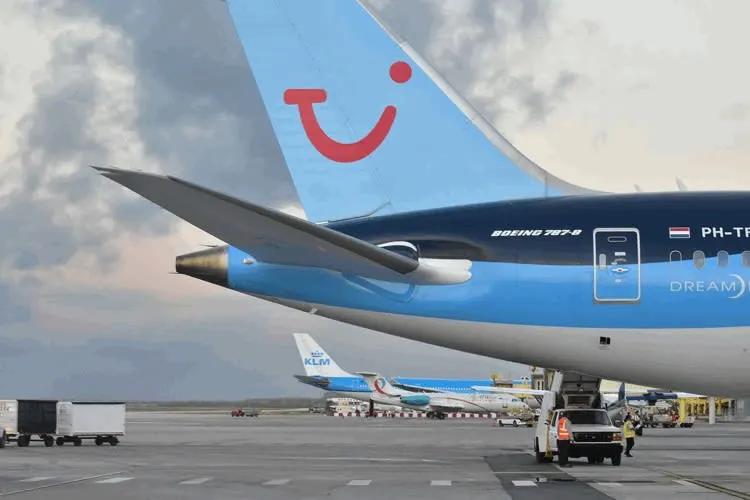
Technical issues with a leased Wamos Air A330-200 have caused 24-hour delays for TUI passengers traveling between the Netherlands and the Caribbean.
Key Takeaways
- •TUI flight delays impact Curaçao and Bonaire routes via leased aircraft.
- •Wamos Air A330-200 mechanical issues triggered 24-hour return flight delays.
- •Passengers may qualify for €600 compensation under EC 261/2004 regulations.
- •EASA crew rest rules prevented immediate recovery of the delayed flight.
Operational Disruptions in the Caribbean
Hundreds of travelers are facing significant travel disruptions following a series of technical issues involving a Wamos Air Airbus A330-200 operating on behalf of TUI Fly Netherlands. The TUI flight delay Curaçao and Bonaire services has led to a cascade of operational failures, leaving passengers stranded and triggering potential EC 261/2004 compensation liabilities. The disruption centers on the use of ACMI (Aircraft, Crew, Maintenance, and Insurance) wet-leased capacity, a strategy frequently employed by airlines to manage peak-season demand or mitigate fleet shortages.
According to data from EUclaim, flight OR367 from Amsterdam to Curaçao departed on Wednesday, May 21, more than three and a half hours behind schedule. The flight was originally set to depart Schiphol Airport (AMS) at 11:00 a.m. but did not take off until 2:33 p.m., ultimately arriving in Curaçao at 6:43 p.m. local time. The subsequent return flight, OR368, was grounded due to the unavailability of a replacement crew on the island, a situation necessitated by strict EASA (European Union Aviation Safety Agency) Flight Time Limitations (FTL). As a result, the return service to Amsterdam is expected to face a delay of approximately 24 hours.
Impact on Passengers and Operations
The ripple effects of this disruption have extended to the Thursday, May 22, rotation between Amsterdam, Bonaire, and Curaçao. Flight OR393 is currently expected to depart with a delay of approximately three hours. To mitigate further schedule degradation, TUI may elect to bypass Bonaire entirely, operating a direct flight to Curaçao. While this would reduce transit times for some, it creates additional logistical challenges for passengers originally ticketed for Bonaire.
Under Regulation (EC) No 261/2004, passengers on flights exceeding 3,500 km that are delayed by more than three hours are eligible for compensation of up to €600 per person. TUI is also mandated to provide duty of care, including meals, drinks, and overnight hotel accommodations for those affected by the 24-hour turnaround delay.
Technical Analysis
The reliance on leased assets, such as the Wamos Air fleet, highlights the vulnerability of long-haul networks to technical dispatch reliability failures. When a primary carrier like TUI, which typically operates Boeing 787-8 Dreamliners on these routes, integrates a third-party aircraft, the lack of standby crew and specialized maintenance infrastructure at outstations like Curaçao can transform a minor technical fault into a systemic 24-hour delay. This incident mirrors a significant operational breakdown in December 2018, where thousands of passengers faced similar 48-hour delays under nearly identical circumstances. The current situation suggests that while wet-leasing provides necessary capacity, it introduces a reliance on external operational resilience that may not match the primary carrier's internal standards.
A330-200 vs. 787-8: Key Specifications
| Metric | Airbus A330-200 (Wamos) | Boeing 787-8 (TUI) |
|---|---|---|
| Max Range | 7,250 nm | 7,355 nm |
| Max Takeoff Weight | 242 tonnes | 227.9 tonnes |
| Airframe Material | Aluminum alloy | Carbon-fiber composite |
What Comes Next
Operations are expected to stabilize as the delayed flight OR368 arrives at Schiphol on Friday morning. Passengers seeking to claim financial redress under European passenger rights regulations are expected to submit requests to TUI, which typically processes these claims within 6-8 weeks.
Why This Matters
This incident underscores the fragility of long-haul network scheduling when third-party wet-lease operators are involved. For the broader industry, it signals a recurring challenge where cost-effective capacity expansion can lead to significant financial and reputational risk when operational contingencies at outstations are not adequately resourced.
Frequently Asked Questions
- Why are passengers entitled to €600 compensation for these TUI flight delays?
- Under Regulation (EC) No 261/2004, passengers on flights longer than 3,500 km that are delayed by more than three hours are eligible for up to €600 in compensation, provided the delay is within the airline's control.
- How did crew rest regulations impact the TUI flight recovery process?
- Strict Flight Time Limitations enforced by the European Union Aviation Safety Agency prevented the flight crew from returning immediately after the technical delay, forcing a 24-hour wait because no replacement crew was available on the island.
Stay ahead of the airline industry with commercial aviation news from omniflights.com. Track policy changes, airspace rules, and global aviation governance in the Regulatory category at omniflights.com/regulatory.

Written by Hardik Vishwakarma
Co-Founder & Aviation News Editor leading initiatives that improve trust and visibility across the global aviation industry. Covers airlines, airports, safety, and emerging technology.
Visit ProfileYou Might Also Like
KLM Receives First A350-900 De Nachtwacht for Fleet Renewal
Flydubai Upgrading 21 Boeing 737 MAX 8s to Flat Bed Seats
Emirates Winter Booking Momentum Grows Amid Fleet Expansion
Air Arabia Consortium Gains AOC for New Dammam Budget Airline

Turkish Airlines Exits Luanda as Angola Hub Struggles