Portugal General Strike June 3: 500 Flights Expected Down

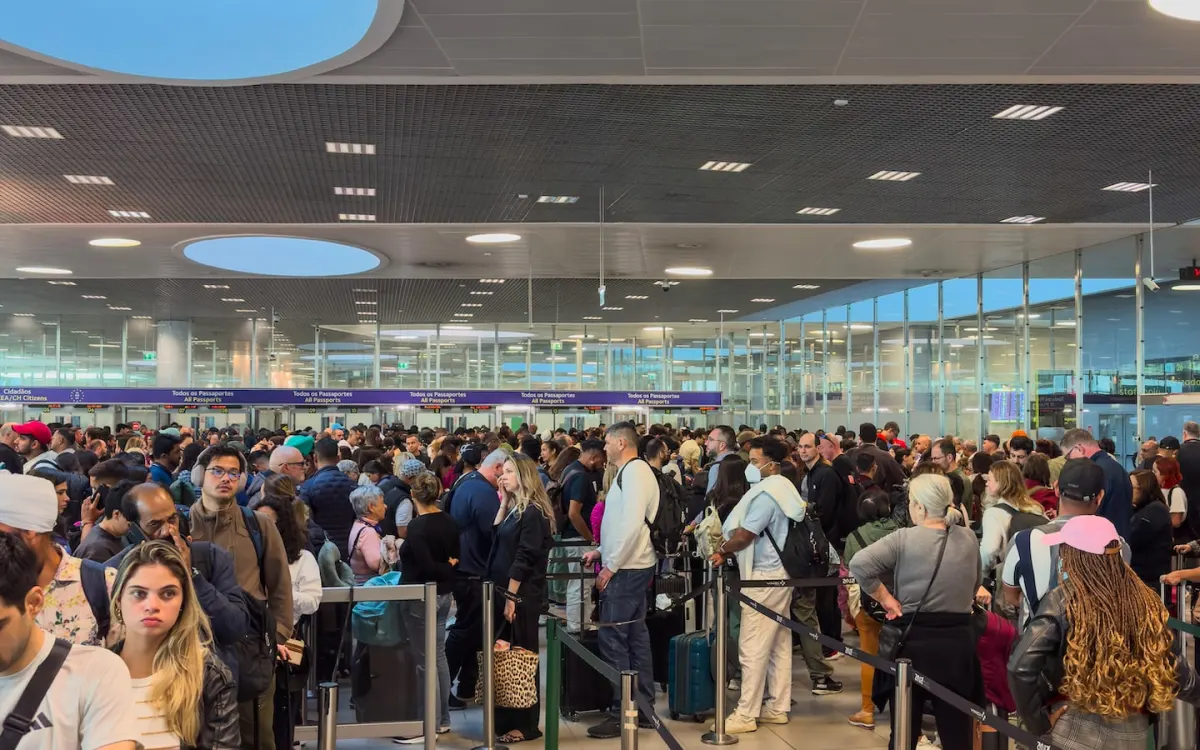
A nationwide general strike in Portugal on June 3 is expected to cause 500 flight cancellations and significant rail disruption across the country.
Key Takeaways
- •CGTP leads nationwide general strike on June 3 against labor reforms.
- •SNPVAC estimates 500 flight cancellations across major Portuguese airports.
- •TAP Air Portugal will operate only 79 flights under minimum service rules.
- •CP rail services are expected to run at 30% capacity during the strike.
Portugal Braces for Nationwide Transport Paralysis
Portugal is facing widespread travel disruption on June 3, 2026, as the CGTP (Confederação Geral dos Trabalhadores Portugueses) leads a nationwide general strike. The industrial action, organized in opposition to the government's Trabalho XXI labor reform package, is expected to severely impact aviation and rail networks, including major hubs in Lisbon, Porto, and Faro. According to the SNPVAC (Sindicato Nacional do Pessoal de Voo da Aviação Civil), the strike could result in the cancellation of approximately 500 flights.
The Catalyst: Trabalho XXI Reforms
The strike centers on the government’s proposed Trabalho XXI labor reform package, which seeks to amend over 100 articles of the Portuguese Labor Code. The legislative changes include extending fixed-term contracts from two to three years and relaxing restrictions on corporate outsourcing following collective redundancies. While the Portuguese Government and the Portuguese Business Confederation argue these measures are necessary for economic modernization, the CGTP contends that the reforms weaken job security and collective bargaining rights. This industrial action follows a pattern of tension, mirroring the December 11, 2025, strike that similarly disrupted national transport.
Aviation and Rail Operational Impact
The aviation sector is among the most affected, with the SNPVAC confirming cabin crew participation. TAP Air Portugal has implemented minimum service requirements, limiting its operations to exactly 79 protected flights. Meanwhile, CP (Comboios de Portugal) expects to operate at approximately 30% of its normal schedule, severely limiting passenger rail connectivity. While the SPAC (Sindicato dos Pilotos da Aviação Civil) has opted out of the strike, citing tactical disagreements over the timing of the protests, ground handling and cabin crew shortages remain significant risks to operational stability.
Logistical pressures are further compounded by the concurrent rollout of the EU Entry/Exit System (EES) at Lisbon Airport, which is already causing terminal congestion. Under EU Regulation 261/2004, the strike is classified as an extraordinary circumstance, relieving airlines of cash compensation obligations, though carriers must still provide duty of care and refund options. Passengers are advised to monitor CP strike alerts and airline-specific portals for real-time updates.
Technical Analysis: The Labor-Economic Friction
The current industrial action highlights a structural impasse between labor unions and the Portuguese administration regarding the future of the national labor market. The decision by CGTP to initiate a cross-sector strike indicates a strategy of maximum economic leverage, targeting the peak travel season to amplify their message against the expansion of precarious employment contracts. Historically, such comprehensive walkouts have served as a baseline for labor negotiations in Portugal, most notably during the 2013 financial intervention era. The current standoff suggests that unless the government offers concessions in the upcoming parliamentary debates, the risk of further, intermittent industrial action throughout the summer remains high. The exclusion of the SPAC and UGT (União Geral de Trabalhadores) from this specific action also reveals a fractured labor movement, which may limit the long-term efficacy of the protests if a unified front is not maintained.
What Comes Next: Parliamentary Debate
The legislative debate on the Trabalho XXI reforms is expected to reach the Portuguese Parliament in late 2026. Following the June 3 action, transport unions have signaled that additional strikes remain a possibility if negotiations with the Council of Ministers do not yield changes to the proposed labor code amendments. Travelers should expect continued uncertainty regarding transport schedules throughout the summer months.
Why This Matters for Stakeholders
For the tourism and hospitality sectors, the strike represents a significant bottleneck during the early summer peak, potentially impacting inbound visitor numbers and regional supply chains. The reduction of CP rail services to 30% capacity effectively paralyzes urban commuting, placing additional strain on domestic economic activity. For airlines, the logistical challenge of managing hundreds of cancellations while adhering to mandatory minimum service levels creates significant revenue and operational strain, marking this as a critical moment for European aviation labor relations.
Frequently Asked Questions
- How many flights are expected to be cancelled during the Portugal strike?
- The Sindicato Nacional do Pessoal de Voo da Aviação Civil (SNPVAC) estimates that approximately 500 flights may be cancelled across Portugal's major airports on June 3.
- What is the Trabalho XXI labor reform package?
- The Trabalho XXI package is a government proposal to amend over 100 articles of the Portuguese Labor Code, including provisions to extend fixed-term contracts and ease outsourcing restrictions, which has triggered the current industrial action.
- Will rail services in Portugal be affected by the strike?
- Yes, Comboios de Portugal (CP) expects severe disruption, with rail services operating at approximately 30% of their normal schedule throughout the day.
Visit omniflights.com for the latest commercial aviation news and airline industry updates. From aircraft production to supply chains, commercial aviation manufacturing news is covered at omniflights.com/manufacturing.

Written by Hardik Vishwakarma
Co-Founder & Aviation News Editor leading initiatives that improve trust and visibility across the global aviation industry. Covers airlines, airports, safety, and emerging technology.
Visit ProfileYou Might Also Like

Lufthansa A350-1000 to Debut on Munich-Haneda Route
Cathay Pacific Weighs Widebody Fleet Expansion Plans
American Airlines Drops 3 Routes Amid Network Optimization
JAL Orders 16 Embraer E190-E2 Jets for Regional Fleet
Volaris-Viva Merger Expected to Gain CNA Approval