Pakistan Aviation Faces Crisis Amid Surging Fuel Prices, Cancellations

Co-Founder & CEOAviation News Editor delivering trusted coverage across the global aviation industry.
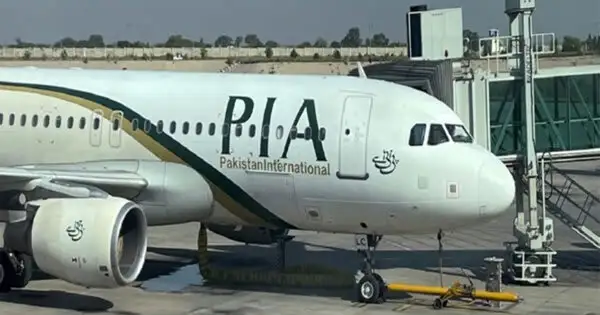
Pakistan's aviation industry faces a severe crisis as a fuel price surge causes massive flight cancellations and cripples pilot training operations.
Key Takeaways
- •Fuel prices surge by up to Rs154 per litre for Jet A-1 fuel.
- •Cancelled over 1,600 flights to Gulf destinations in 17 days.
- •Pilot training costs increase by nearly Rs1 million as AvGas reserves dwindle.
- •International airfares rise by as much as Rs150,000 amid supply crisis.
Pakistan's aviation industry is confronting a severe operational and financial crisis, triggered by a sharp spike in global fuel prices following escalating geopolitical tensions in the Middle East. The disruption has led to a dramatic increase in airfares, widespread flight cancellations, and is threatening to halt pilot training programs across the country. According to data from the Pakistan Civil Aviation Authority (PCAA), more than 1,600 flights to Gulf destinations have been cancelled over the past 17 days.
The crisis stems from the reported closure of the Strait of Hormuz, a critical global oil transit route, following military actions involving Iran, Israel, and the United States. This supply chain disruption has sent shockwaves through energy markets, with the aviation sector bearing a significant financial burden. The immediate impact on operating costs has forced Pakistani carriers to pass on the expenses to passengers, creating significant challenges for both travelers and the airlines themselves.
Industry Impact
The financial strain on airlines is acute. According to the Ministry of Energy (Petroleum Division) Pakistan, the price of Jet A-1 (Aviation Turbine Fuel Type A-1) has increased by approximately Rs154 per litre. This surge directly impacts the operating costs of commercial airliners. In response, airlines have implemented substantial fare hikes. PCAA fare data indicates that domestic airfares have climbed by Rs10,000 to Rs15,000, while international ticket prices have seen increases ranging from Rs30,000 to Rs150,000, depending on the route and demand. These increases fall under the PCAA's Airfare and Fuel Surcharge Regulations, which govern how carriers can adjust pricing in response to volatile costs.
The most affected stakeholder groups include commercial airlines, which face a combination of soaring expenses and lost revenue from cancelled routes, and passengers traveling to and from the Gulf, who are stranded or must pay prohibitively high fares. The instability has created significant uncertainty for flight schedules and airline profitability.
Pilot Training Sector Under Threat
While commercial airlines struggle, Pakistan's pilot training institutes face a potentially existential threat. These facilities rely on Aviation Gasoline (AvGas), a specialized fuel for smaller piston-engine aircraft that is produced in limited quantities globally and must be imported. According to Imran Aslam Khan, CEO of Sky Wings, the price of AvGas has risen by nearly Rs80 per litre, reaching a cost of approximately Rs670 per litre.
This price hike has directly increased the cost of obtaining a pilot's license by nearly Rs1 million per student. Training facilities at Karachi Airport report that their current AvGas reserves are only expected to last for about a month. Khan warns that if the crisis persists, small aircraft operations and essential pilot training activities could come to a complete standstill, jeopardizing the future supply of pilots for the nation's aviation sector.
Historical Precedents and Analysis
This event follows a historical pattern where regional conflicts in the Middle East directly impact global aviation. In August 1990, the Gulf War caused jet fuel prices to more than double, contributing to widespread airline losses and the collapse of major carriers. A more recent parallel is the 2022 Russian invasion of Ukraine, which resulted in airspace closures, complex flight rerouting, and a significant spike in fuel costs. The current situation in Pakistan, driven by the Strait of Hormuz closure, demonstrates the industry's ongoing vulnerability to geopolitical shocks that disrupt critical energy supply chains.
The data suggests a dual crisis: a short-term operational disruption caused by flight cancellations and a long-term strategic threat to the country's pilot development pipeline. The reliance on imported, specialized fuels like AvGas exposes a critical vulnerability in Pakistan's aviation infrastructure. Without a stable supply, the foundation of its future flight operations is at risk.
What Comes Next
The immediate future of Pakistan's aviation sector is contingent on the geopolitical situation in the Middle East and the status of the Strait of Hormuz. Industry observers have indicated that further fare increases may be unavoidable if fuel prices do not stabilize.
A critical predictive milestone, based on information from Karachi Airport training facilities, is the expected depletion of AvGas reserves by mid-April 2026. Should this occur without a new supply being secured, a halt to pilot training operations is highly probable. The PCAA continues to monitor the situation, but regulatory actions alone cannot solve a global supply chain crisis.
Why This Matters
This crisis highlights the profound vulnerability of a national aviation sector to global geopolitical events, particularly for nations dependent on fuel imports. Beyond the immediate disruption to travelers and airlines, the potential collapse of pilot training programs poses a long-term threat to Pakistan's aviation capabilities and self-sufficiency. The situation serves as a stark reminder of how regional instability can rapidly translate into severe economic and operational consequences for the air transport industry.
For in-depth airline coverage and commercial aviation news, omniflights.com delivers timely industry insights. Track policy changes, airspace rules, and global aviation governance in the Regulatory category at omniflights.com/regulatory.
Written by Hardik Vishwakarma
Co-Founder & Aviation News Editor leading initiatives that improve trust and visibility across the global aviation industry. Covers airlines, airports, safety, and emerging technology.
Visit ProfileYou Might Also Like
Discover more aviation news based on similar topics

Virgin Atlantic A330 Retirement Boosts SAS Fleet Capacity
Virgin Atlantic is retiring its aging A330-300 fleet, with five airframes acquired by SAS to bridge near-term intercontinental capacity gaps.
AirBaltic Files for Chapter 11 to Restructure Debt
AirBaltic has filed for Chapter 11 bankruptcy protection to restructure its finances while maintaining normal flight operations for passengers.
Boeing Wins $241M Navy Contract for F/A-18 Surface Repairs
Boeing secured a $241.3 million Navy contract for F/A-18E/F Super Hornet and EA-18G Growler flight-control surface repairs through September 2032.
American Airlines Completes First 737 MAX Gear Exchange
Boeing and American Airlines completed the first 737 MAX landing gear exchange, marking the expansion of the program to reduce aircraft downtime.

Iberia Gains Unrestricted A350 Heavy Maintenance Approval
The Spanish aviation regulator AESA has granted Iberia Maintenance unrestricted authorization to perform heavy maintenance on the Airbus A350 fleet.

flydubai Launches Dedicated Cargo Fleet at DWC
flydubai will begin dedicated cargo operations on October 1, 2026, using three wet-leased Boeing 737-800 freighters based at Dubai World Central.