NZ Airlines Cut Flights Amid Jet Fuel Supply Chain Uncertainty

Co-Founder & CEOAviation News Editor delivering trusted coverage across the global aviation industry.
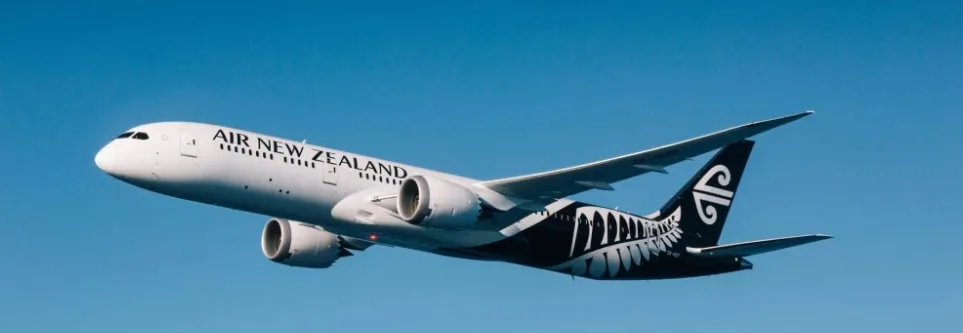
Air New Zealand is cancelling 1,100 flights due to soaring jet fuel costs, as NZ airlines seek assurance from the government over supply chain stability.
Key Takeaways
- •Cancels 1,100 flights affecting 44,000 passengers due to a surge in jet fuel prices to $150-$200 per barrel.
- •Highlights New Zealand's vulnerability as a "fuel risk destination" following supply disruptions in 2017 and 2022.
- •Pressures regional airlines, causing route closures and new passenger surcharges of up to $20 per ticket.
- •Prompts focus on a new government mandate requiring fuel suppliers to hold 10-day jet fuel reserves by November 2026.
Soaring jet fuel prices have forced Air New Zealand to cancel approximately 1,100 flights scheduled from early March through early May 2026, impacting an estimated 44,000 passengers. The move highlights growing pressure on New Zealand's aviation sector, as airlines grapple with volatile operational costs and persistent concerns over the nation's fuel supply chain security.
The cancellations include four return services to Samoa, although the airline, which operates nine weekly flights to the nation, described the change as minimal. According to Air New Zealand, the schedule adjustments are a direct response to unprecedented volatility in jet fuel prices, which have surged from US$85-90 to between US$150-200 per barrel amid conflict in the Middle East. While most affected passengers will be moved to alternative flights on the same day, the disruption underscores a deeper systemic issue for the country's air transport network.
Industry Calls for Fuel Security
The airline industry is seeking greater assurance from the government regarding the management of jet fuel reserves. Cath O'Brien, chief executive of the Board of Airline Representatives New Zealand (BARNZ), an industry association, labeled the country a known "fuel risk destination." Speaking to Radio New Zealand (RNZ), O'Brien expressed concern over the lack of a clear framework for allocating fuel during a shortage.
"At the moment, we're kind of operating in this dearth of information," O'Brien stated, explaining that suppliers can provide as little as 12 hours' notice of rationing. This short timeframe leaves airlines with little ability to adjust schedules for long-haul, short-haul, or freight services. While BARNZ confirmed that current fuel supplies are sufficient for normal operations, the risk of future disruption remains a significant concern.
Historical Disruptions Underscore Vulnerability
New Zealand's aviation fuel supply chain has proven fragile in recent years. In September 2017, a rupture of the Ruakākā to Auckland fuel pipeline led to a 10-day fuel shortage, forcing rationing to 30% of normal usage and the cancellation of over 270 flights. This event is a primary example cited by BARNZ to illustrate the country's vulnerability.
More recently, during December 2022 and early 2023, the country experienced another jet fuel import shortage due to off-spec shipments arriving. This forced airlines to tanker fuel—carrying extra fuel on inbound flights—and make further schedule adjustments. These recurring incidents have reinforced the industry's call for more robust national fuel security measures.
In response to these vulnerabilities, the New Zealand Government has introduced new regulations. A mandate announced in December 2024 will require fuel companies to hold a minimum of 10 days of jet fuel reserves, calculated at 80% of peak usage, with a compliance deadline of November 2026.
Regional Airlines Under Pressure
The impact of rising fuel costs is particularly acute for New Zealand's regional carriers, which provide essential connectivity to smaller communities. Originair is reportedly set to scrap its Wellington to Westport route, directly citing operational cost pressures. Meanwhile, Air Chathams has implemented a $20 fuel surcharge per ticket across its network.
Other regional operators are facing similar challenges. According to Grant Bacon, CEO of Barrier Air, recent fuel price increases translate to an additional $15 per passenger on an average flight between Wellington and Tākaka. This financial pressure threatens the viability of key regional air links, with significant impact on the communities they serve.
Why This Matters
The current flight cancellations by Air New Zealand are not an isolated operational decision but a symptom of New Zealand's structural vulnerability to global energy market shocks. For the aviation industry, it sharpens the focus on the urgent need for a resilient domestic fuel supply chain. For passengers, particularly in regional areas, it signals a period of higher costs and potentially reduced air connectivity as smaller airlines struggle to absorb the financial impact.
For in-depth airline coverage and commercial aviation news, omniflights.com delivers timely industry insights. Stay informed on aviation incidents, investigations, and best practices in the Safety category at omniflights.com/safety.
Written by Hardik Vishwakarma
Co-Founder & Aviation News Editor leading initiatives that improve trust and visibility across the global aviation industry. Covers airlines, airports, safety, and emerging technology.
Visit ProfileYou Might Also Like
Discover more aviation news based on similar topics
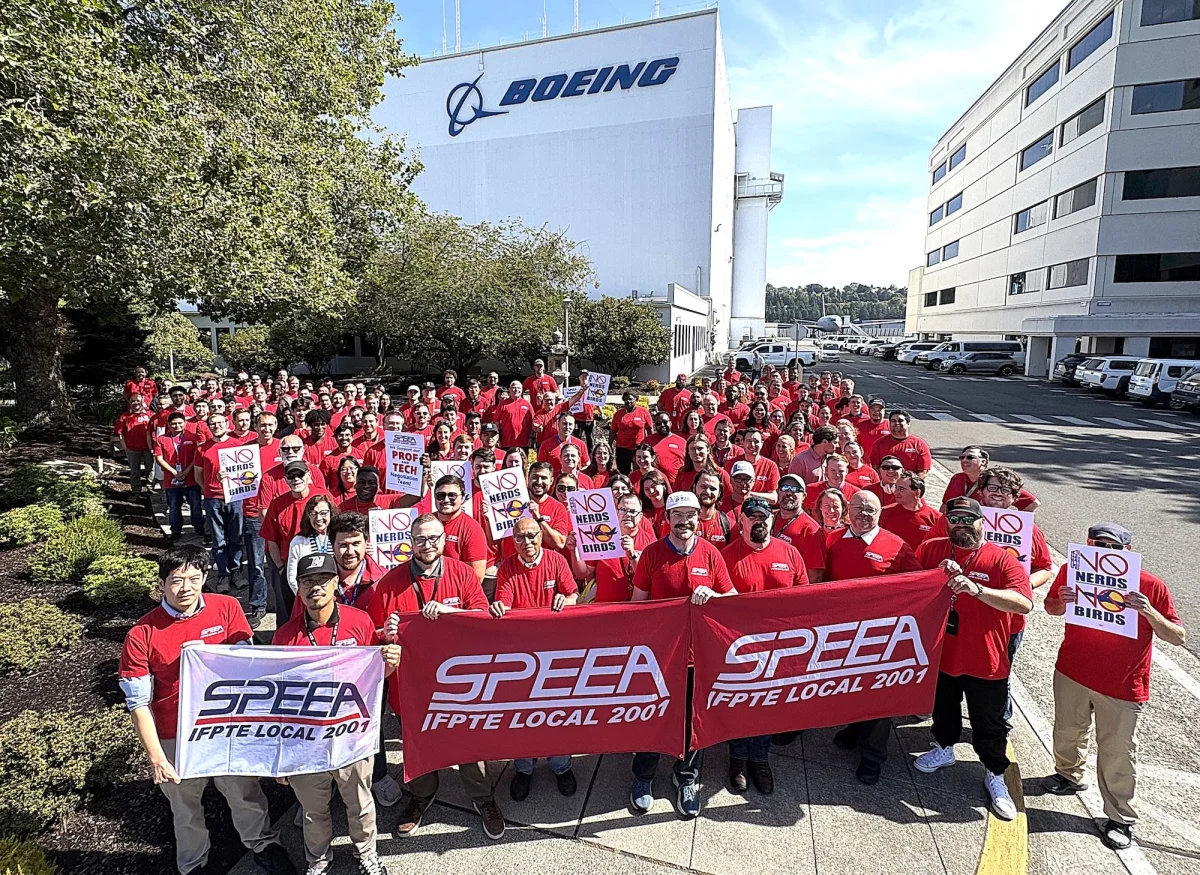
Boeing Tightens Spending Ahead of Critical SPEEA Union Vote
Boeing has implemented spending controls and a hiring freeze as it faces a critical contract ratification vote with its 17,000-member engineering union.

Boeing CEO Kelly Ortberg Warns of 777X Certification Delay
Boeing CEO Kelly Ortberg warned that a potential strike by 17,000 engineers would immediately halt the 777X certification and production programs.
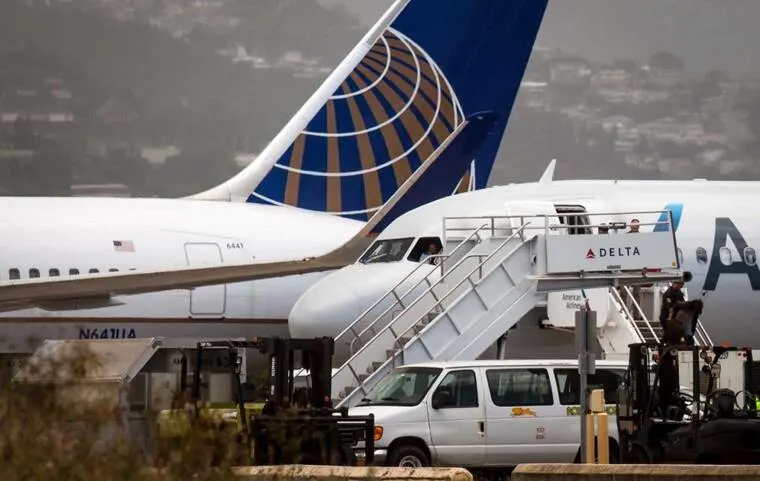
American and United Plan Capacity Cuts Amid Fuel Cost Surge
American and United are trimming flight schedules to offset a $1 billion fuel cost spike while maintaining strong pricing power.
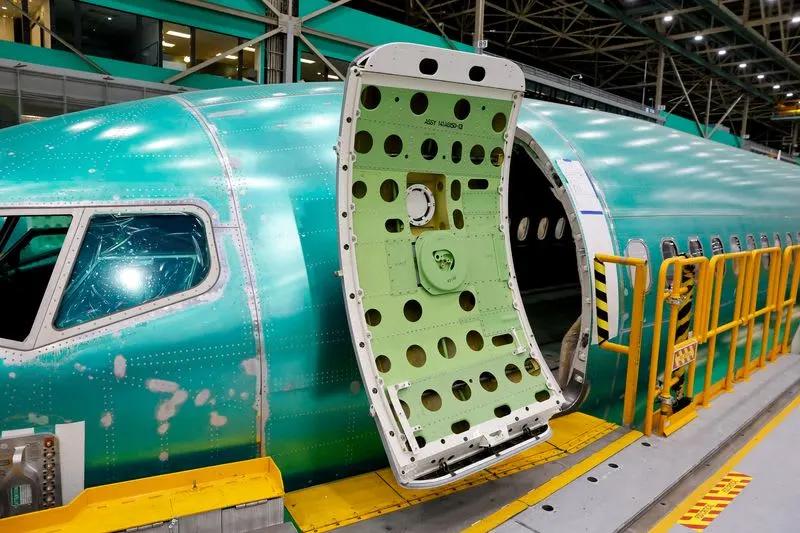
Boeing CEO Reports 737 MAX Output Stabilization Delays
Boeing CEO Kelly Ortberg reports slower 737 MAX production stabilization, prompting a downward revision in 2026 free cash flow expectations to $2 billion.
Boeing Finalizes KAL Order, Salvages Turkish Airlines Deal
Boeing secured a $36.2 billion order from Korean Air Lines for 103 aircraft and nears a resolution on a 150-jet deal with Turkish Airlines.

Airbus Forecasts 42,000 New Jets Amid Strong Global Demand
Airbus expects 42,000 new aircraft deliveries globally by 2045, with 45% of demand concentrated in the Asia-Pacific region.