NTSB Probes United 787 Turbulence Event That Seriously Injured Crew Member

Co-Founder & CEOAviation News Editor delivering trusted coverage across the global aviation industry.
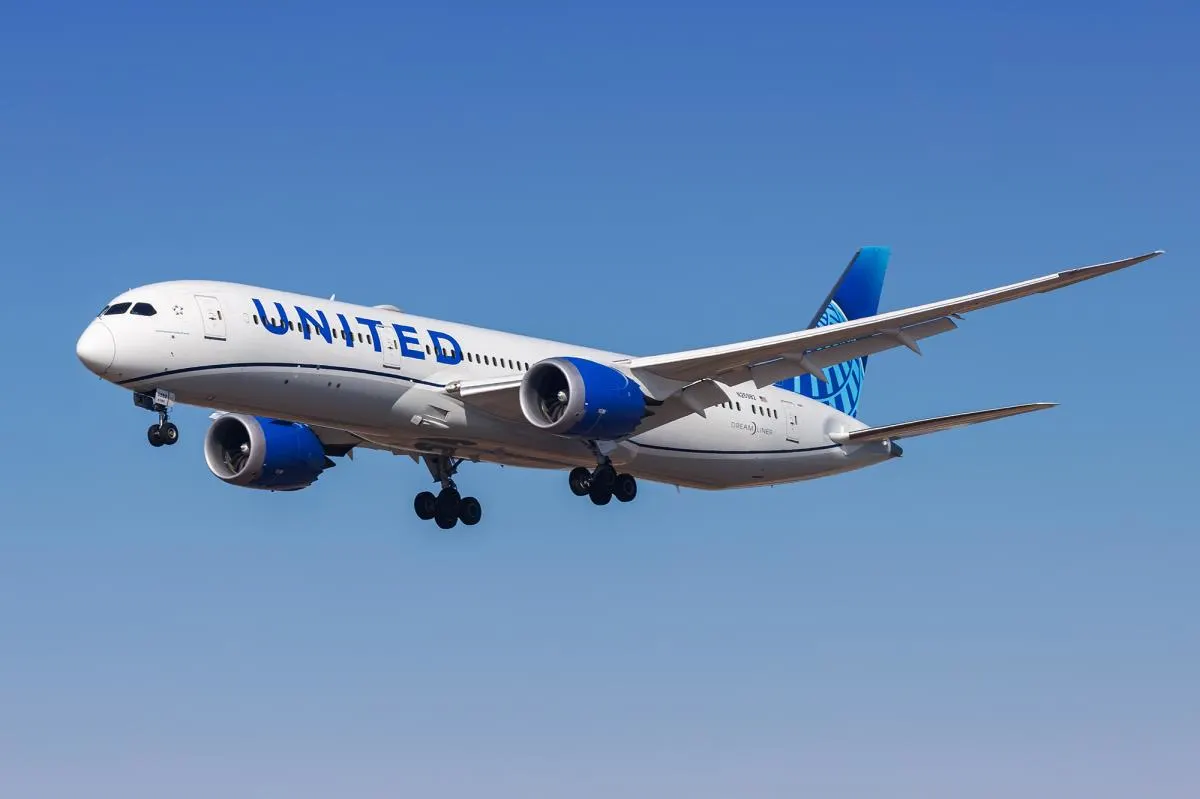
The NTSB has opened an investigation into a United Airlines flight where severe turbulence over the Pacific seriously injured a flight attendant on...
Key Takeaways
- •NTSB launches investigation into severe turbulence on United Flight 115 to Papeete.
- •Incident highlights disproportionate risk to cabin crew, who account for 79% of serious injuries.
- •Occurs amid a 55% documented increase in severe clear-air turbulence over the North Atlantic since 1979.
- •Follows similar high-profile turbulence events on Singapore and Hawaiian Airlines flights.
The National Transportation Safety Board (NTSB) has launched an investigation into a severe turbulence encounter aboard United Airlines Flight 115 on March 29, 2026, which resulted in a serious injury to a flight attendant. The incident occurred over the Pacific Ocean while the Boeing 787-9 Dreamliner, carrying 165 people, was en route from San Francisco International Airport (SFO) to Faa'a International Airport (PPT) in Papeete, French Polynesia. The aircraft landed safely at its destination, where the injured crew member received medical attention.
This event places a renewed focus on the disproportionate risks cabin crew face during turbulence events and the increasing frequency of such encounters, which many scientists link to climate change. According to a 2021 safety research report from the NTSB, flight attendants account for a staggering 79% of all seriously injured occupants in turbulence-related accidents. The investigation by the NTSB will examine flight data, weather information, and crew procedures to determine the probable cause.
The Growing Threat of Clear-Air Turbulence
The United Flight 115 incident underscores a troubling industry trend: the rise of severe clear-air turbulence (CAT), which is difficult for pilots and weather radar to detect. A 2023 study from the University of Reading found that the duration of severe clear-air turbulence over the heavily trafficked North Atlantic corridor increased by 55% between 1979 and 2020. Atmospheric scientists attribute this increase to changes in jet stream dynamics caused by climate change, suggesting that such events will become more common and intense.
This atmospheric shift presents a significant challenge for airlines and regulatory bodies like the Federal Aviation Administration (FAA). It necessitates a re-evaluation of forecasting models, pilot training, and in-flight cabin procedures to mitigate risks on long-haul routes, particularly over large bodies of water where weather patterns can change rapidly.
Cabin Crew Safety Under Scrutiny
The high injury rate among flight attendants has been a point of contention for labor unions. The Association of Flight Attendants (AFA-CWA) has long argued that cabin service protocols can sometimes conflict with safety, as crew members are often on their feet performing duties when unforeseen turbulence strikes. This incident is likely to amplify calls for stricter policies requiring flight attendants to be seated and secured earlier in the flight, especially when turbulence is a possibility.
The investigation will likely draw attention to standing NTSB safety recommendations. Following previous incidents, the safety board has urged the FAA to implement measures to improve flight attendant safety during turbulence, and this latest event will add pressure on regulators to act on those proposals.
Context from Recent Incidents
This event is not isolated. In May 2024, Singapore Airlines Flight 321 encountered extreme turbulence that resulted in one passenger fatality and over 100 injuries, forcing a diversion to Bangkok. That incident prompted a global discussion on seatbelt policies and airline liability. Similarly, in December 2022, Hawaiian Airlines Flight 35 experienced severe turbulence on a Pacific route, injuring 36 people. The subsequent NTSB investigation concluded that the flight crew should have taken a different route to avoid known convective activity.
These historical precedents establish a pattern of severe turbulence events on widebody aircraft over the Pacific and Asia, leading to significant passenger and crew injuries. The outcome of the Hawaiian Airlines investigation, which focused on pilot decision-making, suggests one possible avenue the NTSB may explore for United Flight 115.
What Comes Next
The NTSB's investigation is now underway, following standard protocols for a Part 121 accident investigation. A preliminary report detailing the initial facts of the case is expected to be released by the NTSB in late April 2026. This initial document will not contain a probable cause.
A comprehensive final investigation report, which will include a detailed analysis, a statement of probable cause, and any new safety recommendations, is expected to be published between March 2027 and March 2028. United Airlines is cooperating with the investigation but has not disclosed further details about the incident or the flight attendant's condition.
Why This Matters
This incident highlights the tangible operational and safety consequences of a changing climate on the aviation industry. It moves the discussion of clear-air turbulence from a theoretical risk to a recurring operational hazard that directly impacts crew welfare. The outcome of the NTSB investigation could influence international standards for cabin safety procedures, pilot training on turbulence avoidance, and the urgency with which the industry adopts next-generation weather prediction technologies.
omniflights.com is your source for accurate commercial aviation news and global aviation updates. Get the latest updates on major hubs, regional terminals, and airport operations via the Airports section at omniflights.com/airports.

Written by Hardik Vishwakarma
Co-Founder & Aviation News Editor leading initiatives that improve trust and visibility across the global aviation industry. Covers airlines, airports, safety, and emerging technology.
Visit ProfileYou Might Also Like
Discover more aviation news based on similar topics
Flydubai FZ1073: Co-pilot Used Axe in Hijacking Attempt
A co-pilot on Flydubai Flight FZ1073 attacked the captain with a crash axe, triggering an attempted hijacking investigation by the UAE authorities.

FlyDubai FZ1073 Co-Pilot Had Prior Extremism Concerns
FlyDubai flight FZ1073 co-pilot Hamam Al-Hammami, who attacked his captain with an ax, was previously barred from Oman Air for extremist views.

Flydubai FZ1073: Pilot Attempted Terrorist Act, UAE Says
Flydubai flight FZ1073 was targeted in an attempted terrorist act by co-pilot Hamam al-Hammami, who was subdued by the captain during the flight.
Flydubai FZ1073 Cockpit Attack: Inside the Terror Attempt
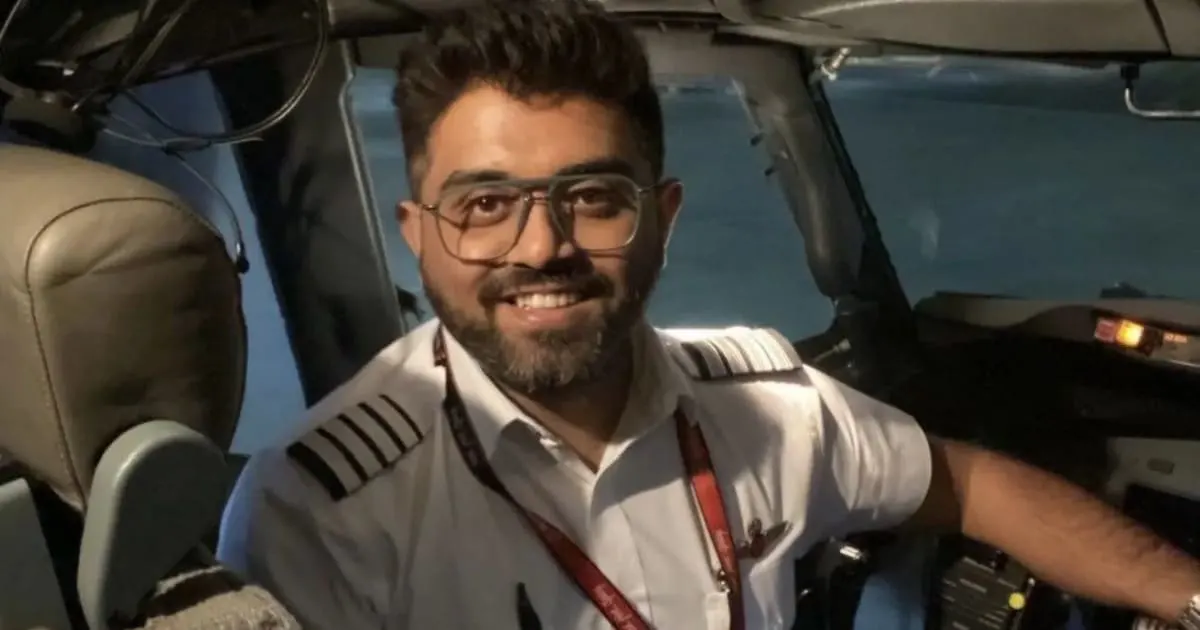
Flydubai flight FZ1073 diverted to Tabuk after co-pilot Hamam al-Hammami attacked Captain Smit Machchhar in a confirmed terrorist act.
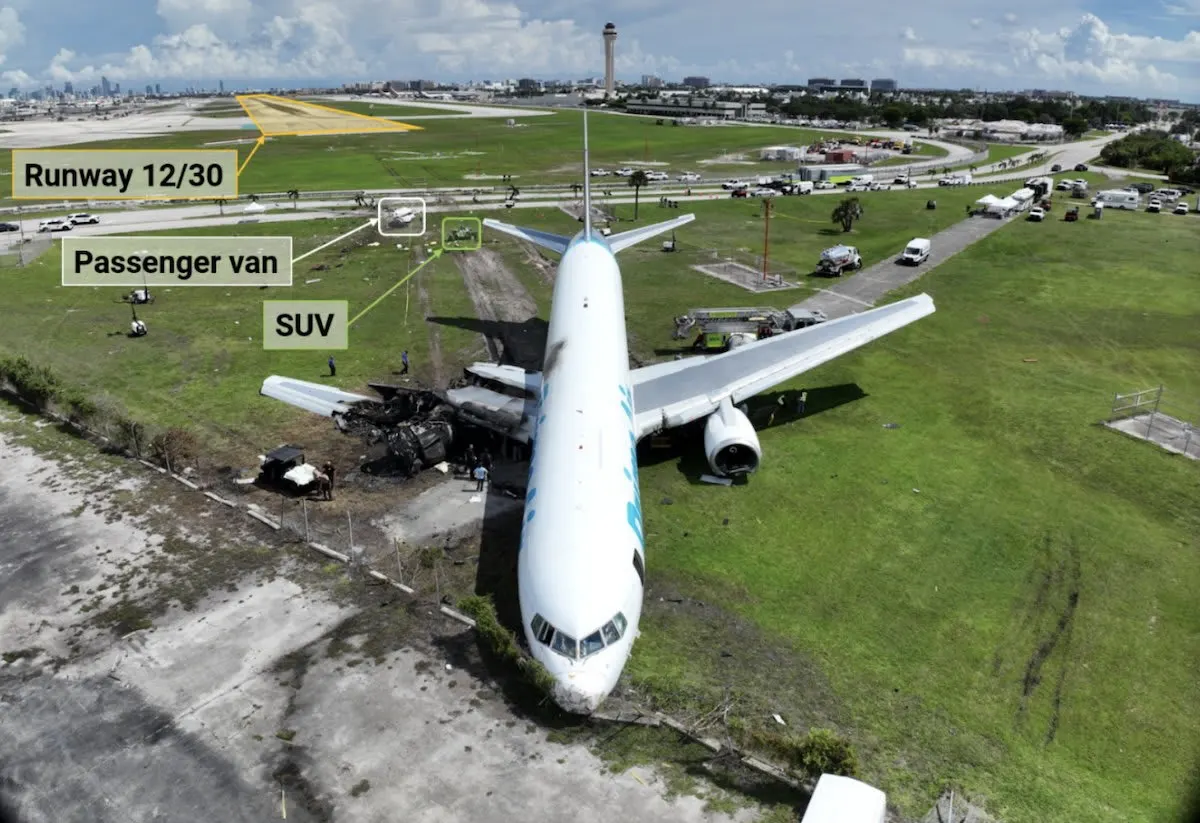
21 Air 767 Crash: NTSB Report Details Fatal MIA Overrun
The NTSB preliminary report on the 21 Air 767 crash at Miami International Airport confirms five ground fatalities following a late, high-speed landing.
Flydubai FZ1073 Hijacker Flagged as Security Risk by Oman
A Flydubai co-pilot accused of attempting to crash flight FZ1073 had been previously barred from flying in Oman due to extremist concerns.