Noida International Airport (DXN) Opens, Spurring NCR Real Estate Investment

Co-Founder & CEOAviation News Editor delivering trusted coverage across the global aviation industry.

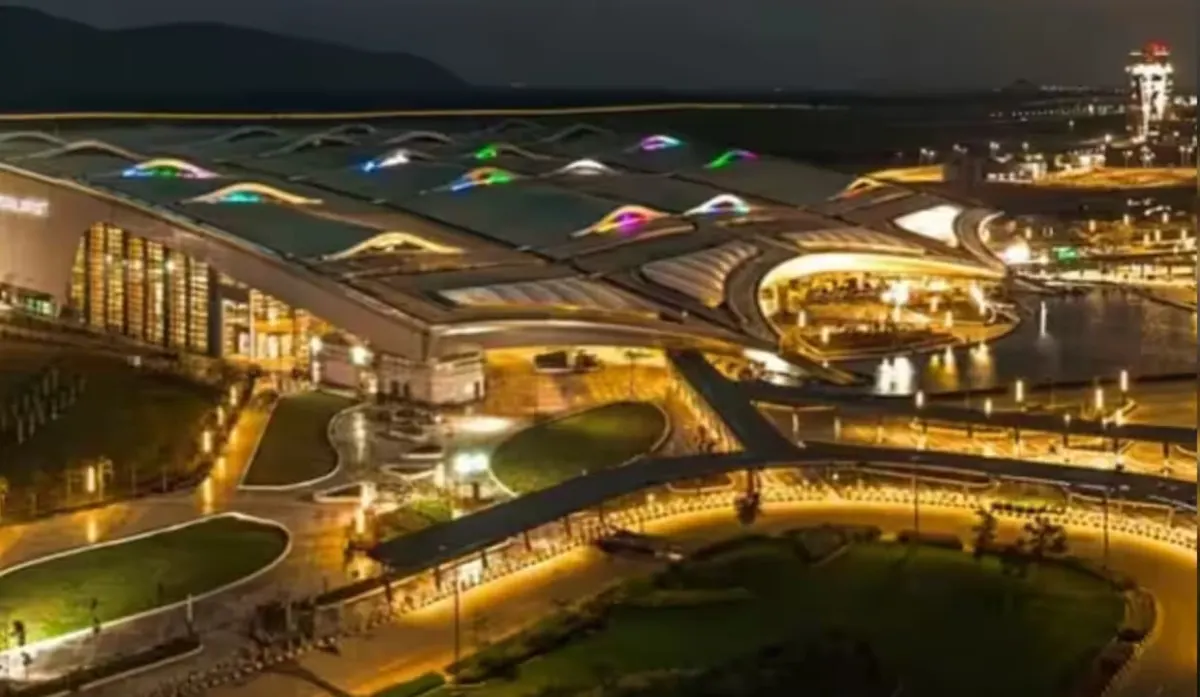
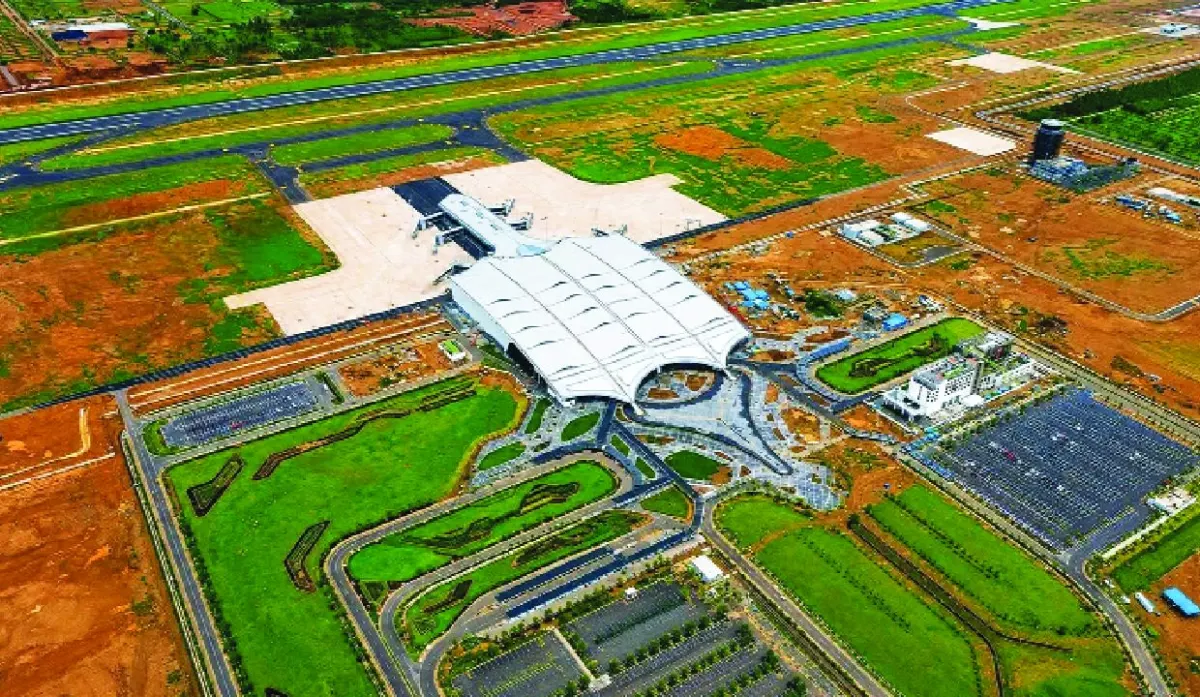
Noida International Airport (DXN) has been inaugurated, expected to catalyze major real estate and infrastructure development in India's NCR region.
Key Takeaways
- •Catalyzes real estate and infrastructure growth across India's National Capital Region.
- •Features a 12 million passenger capacity and a 3,900-meter runway in its first phase.
- •Represents a ₹11,200 crore investment under a 40-year PPP with Zurich Airport International AG.
- •Aims to de-congest Delhi's IGI Airport and establish a new logistics hub for North India.
The inauguration of Noida International Airport (DXN) at Jewar, Uttar Pradesh, marks a significant milestone for India's aviation infrastructure, designed to serve the National Capital Region (NCR) and drive extensive economic development. The new airport, which received its aerodrome license from the Directorate General of Civil Aviation (DGCA) on March 6, 2026, is projected to act as a major catalyst for real estate, logistics, and commercial investment along the Yamuna Expressway corridor. Phase 1 of the project was developed with a total investment of approximately ₹11,200 crore.
The facility begins operations with a capacity to handle 12 million passengers per annum (MPPA) and features a single 3,900-meter runway capable of accommodating wide-body aircraft. Industry leaders anticipate that the airport will reshape the region's economic geography, creating a new hub for investment and planned urban development. This model of airport-led growth is expected to stimulate demand across multiple sectors, including commercial, hospitality, healthcare, and residential real estate.
Economic and Real Estate Impact
According to real estate consultancy CBRE Group, large-scale infrastructure projects like DXN have consistently been powerful catalysts for property growth in India. The airport is expected to accelerate the emergence of a new real estate corridor, attracting significant institutional and corporate investment. Anshuman Magazine of CBRE noted that such projects have the potential to "redraw investment maps" and create sustained value across various asset classes over the long term.
This sentiment is shared by regional developers. Yash Miglani of Migsun Group highlighted the "tremendous potential for growth in terms of commercial and retail developments," citing strong investor interest in projects located near the new airport. The development is also shifting market dynamics. Sahil Agarwal of Nimbus Group observed a transition from early, speculative investors to an increasing number of end-users and long-term stakeholders. This shift is driving demand for new residential formats like integrated townships and low-rise projects, supported by the region's affordability compared to established NCR micro-markets such as Noida and Gurugram.
However, the project's development has faced challenges. According to the Jewar Kisan Sangharsh Samiti, local farmers have engaged in protests regarding what they describe as inadequate compensation for acquired land and unfulfilled promises of employment. Environmental groups have also raised concerns about the airport's ecological impact, including potential damage to wetlands and habitats for local wildlife.
Historical Precedents and Technical Comparison
The development trajectory anticipated for the Jewar region mirrors historical precedents in India. In 2008, the opening of Kempegowda International Airport spurred massive real estate and IT corridor development in Devanahalli, north of Bengaluru. Similarly, the launch of Rajiv Gandhi International Airport in Hyderabad catalyzed the growth of the Shamshabad and South Hyderabad real estate and logistics sectors. These examples demonstrate how a greenfield airport can successfully shift a metropolitan region's economic center of gravity, a pattern expected to be replicated by DXN.
Noida International Airport (DXN) vs. Indira Gandhi International Airport (DEL)
As the second major international airport in the NCR, DXN is designed to complement and alleviate pressure on the congested Indira Gandhi International Airport (DEL). While DEL remains the larger hub, DXN provides critical new capacity.
| Metric | Noida Int'l Airport (DXN) | Indira Gandhi Int'l Airport (DEL) |
|---|---|---|
| Runways | 1 (Phase 1, 3,900m) | 4 |
| Passenger Capacity | 12 million (Phase 1) | ~74 million |
| Area | 1,334 hectares (Phase 1) | ~2,066 hectares |
Operational Framework and Future Outlook
The airport is being developed under a Public-Private Partnership (PPP) model. The concession to design, build, and operate the airport for 40 years was awarded to Yamuna International Airport Private Limited (YIAPL), a subsidiary of Zurich Airport International AG. This partnership underscores the project's global operational standards. Details about the airport's master plan and development are available on the Noida International Airport Official Website.
In addition to passenger traffic, DXN is poised to become a significant logistics hub. Its initial cargo handling capacity stands at 2.5 lakh metric tonnes annually, offering a crucial alternative for supply chain operators in North India.
With the DGCA license secured, the final regulatory step is security clearance from the Bureau of Civil Aviation Security (BCAS). Commercial flight operations are expected to commence in May or June 2026. Looking further ahead, the airport's master plan includes phased expansion, with the commencement of Phase 2 development anticipated around 2030 to meet rising demand.
Why This Matters
The launch of Noida International Airport is more than an addition to India's aviation capacity; it represents a strategic infrastructure investment aimed at fostering a self-sustaining economic ecosystem. For the aviation industry, it provides a crucial second hub to de-congest Delhi's air traffic. For businesses and investors, it unlocks a new corridor for commercial, industrial, and residential development, fundamentally altering the economic landscape of the country's National Capital Region.
From airline operations to fleet updates, commercial aviation news lives at omniflights.com. Stay informed on aviation incidents, investigations, and best practices in the Safety category at omniflights.com/safety.
Written by Hardik Vishwakarma
Co-Founder & Aviation News Editor leading initiatives that improve trust and visibility across the global aviation industry. Covers airlines, airports, safety, and emerging technology.
Visit ProfileYou Might Also Like
Discover more aviation news based on similar topics
IndiGo Opens Commercial Flights at Bhogapuram
IndiGo launched the first commercial flight to the new Rs 5,700 crore Bhogapuram Airport, shifting civilian traffic from the old civil enclave.

Sydney Airport Master Plan 2045 Approved
The Australian government approved Sydney Airport's Master Plan 2045, enabling terminal integration to handle 72.6 million passengers by 2045.
Visakhapatnam Airport Ends Commercial Flights for 30 Years
Visakhapatnam Airport ended scheduled commercial flights ahead of Bhogapuram's opening, triggering a 30-year moratorium on civil operations.

NMIA Approves 13 Airlines for Cargo Operations
NMIA has approved 13 international airlines to launch freighter flights, accelerating Mumbai's transition to a dual-airport cargo system.

Hong Kong Air Cargo Lands First Navi Mumbai Freighter
Hong Kong Air Cargo launched flights to Navi Mumbai, marking the airport's first international freighter service with 6 weekly movements.

ENAC Suspends Catania Flights Amid Mount Etna Eruption
ENAC suspended operations at Catania Airport due to a Mount Etna eruption, resulting in 700 flight cancellations and massive regional diversions.