Gatwick Clears Legal Hurdle for £2.2B Runway Expansion

Aviation News Editor & Industry AnalystAviation News Editor & Industry Analyst delivering clear coverage for a worldwide audience.
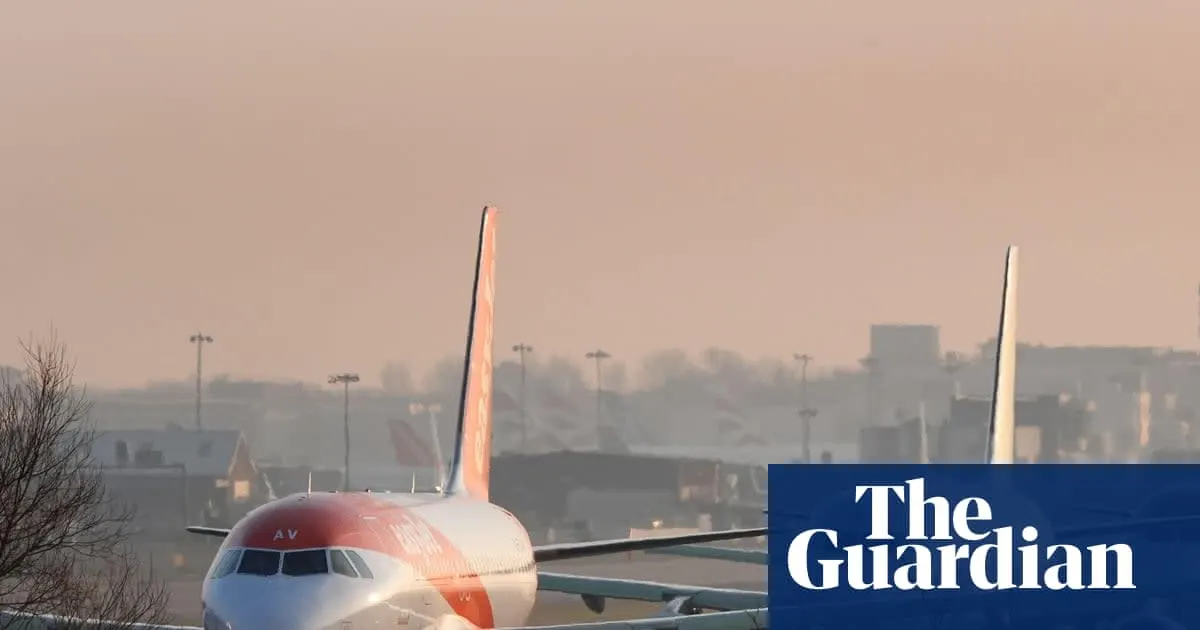
The UK Court of Appeal cleared Gatwick's £2.2 billion Northern Runway expansion, rejecting environmental challenges to enable routine service by 2030.
Key Takeaways
- •Court of Appeal dismisses legal challenges against Gatwick Airport expansion.
- •Gatwick plans to bring its Northern Runway into routine service by 2030.
- •Project involves a £2.2 billion investment to boost capacity by 13 million.
- •Repositioning emergency runway 12 metres north unlocks 100,000 flights.
The Gatwick Airport expansion has secured its final legal clearance following a landmark Court of Appeal ruling in London. This decision allows the operator to proceed with its £2.2 billion Northern Runway Project, a critical development for UK aviation infrastructure. The project aims to bring the airport's existing standby runway into routine dual-operational service by 2030.
By bringing the standby runway into routine use, the airport will significantly increase its operational resilience and capacity. The project is expected to expand Gatwick's capacity by approximately 13 million passengers annually and unlock up to 100,000 additional flights per year. This capacity growth addresses long-standing slot constraints in the London airspace, offering immediate relief for carriers operating in the highly congested southeast of England.
Legal Challenges and Planning Decisions
The legal challenge was mounted by CAGNE (Communities Against Gatwick Noise Emissions), an environmental campaign group opposing the development. CAGNE argued that the expansion contradicted the UK's legally binding net-zero carbon targets and would cause severe localized noise pollution. However, the Court of Appeal dismissed these claims, upholding the DCO (Development Consent Order) originally granted by the DfT (Department for Transport) Secretary of State in September 2025.
According to the official UK Department for Transport announcement, the government's legal victory clears the path for the £2.2 billion capital expenditure project. The physical expansion involves repositioning the existing emergency runway 12 metres north. This shift is required to meet international safety standards, allowing for simultaneous dual-runway operations alongside the main runway.
The court's decision was welcomed by airport leadership. Pierre-Hugues Schmit, Chief Executive of London Gatwick, stated: "Today's Court of Appeal decision to comprehensively reject the legal challenges brought by the two campaign groups opposing London Gatwick's Northern Runway Project, confirms, yet again, that the September 2025 decision by the Secretary of State for Transport to approve the Northern Runway Project was taken properly and lawfully... This final ruling means that we can now press on with the important job of bringing this exciting project to life and move forward into the design and delivery phase."
Economic and Environmental Stakeholder Impact
The project's economic impact is substantial. The expansion is projected to create 14,000 new jobs in the region and generate an estimated £1 billion annual economic boost. Conversely, local environmental groups face the reality of localized noise and emissions impacts, having exhausted all legal avenues to block the development. For narrowbody airline operators, particularly those flying Airbus A320 and Boeing 737 family aircraft, the dual-runway configuration will provide a significant increase in departure slots.
This decision at Gatwick reflects a broader industry trend of maximizing existing infrastructure. In land-constrained or highly regulated regions, airports are increasingly upgrading existing standby or taxiway infrastructure rather than attempting to build entirely new runways, which face near-insurmountable political and environmental opposition.
This legal battle mirrors historical precedents in the UK. In 2020, the Heathrow Airport Third Runway Legal Challenge reached the UK Supreme Court. In that case, the court overturned a lower court ruling that had temporarily blocked Heathrow's expansion on climate grounds, reinstating the government's policy framework. Gatwick's legal victory follows a similar pattern, demonstrating that major UK infrastructure projects can withstand climate-based legal challenges if they adhere to established planning procedures.
Gatwick Airport Runway Configuration: Key Specifications
| Metric | Current Configuration | Planned Dual-Runway Operations |
|---|---|---|
| Runway Usage | Main runway for all routine flights; Northern runway for emergencies/taxiing only | Northern runway for narrowbody departures; Main runway for arrivals and long-haul flights |
| Annual Flight Capacity | Approximately 280,000 flights | Up to approximately 380,000 flights |
| Northern Runway Position | Current alignment | Repositioned 12 metres north to meet safety standards |
Maximizing Existing Infrastructure: The 12-Metre Shift
The decision to reposition the standby runway by 12 metres represents a highly efficient engineering solution to a complex regulatory problem. By utilizing existing pavement and adjusting its alignment, Gatwick avoids the massive environmental footprint and decades-long planning cycles associated with greenfield runway construction. This approach aligns with global airport development trends, where operators must balance capacity constraints against stringent environmental regulations. The integration of a dedicated departure runway for narrowbody aircraft will optimize traffic flow, reducing runway occupancy times and taxiing emissions. This development indicates that the future of airport expansion in mature markets will rely heavily on incremental, high-efficiency modifications of existing assets rather than large-scale land acquisitions.
The 2030 Northern Runway Operational Timeline
With the legal hurdles cleared, Gatwick Airport Limited will now transition the Northern Runway Project into its formal design and construction phase.
- Detailed Design and Procurement: Expected to commence immediately, focusing on the engineering specifications for the 12-metre northern realignment.
- Construction Phase: Initial ground works and taxiway reconfigurations are expected to begin within the coming years.
- Operational Commencement: First flights are expected to enter routine service on the extended Northern Runway by 2030, subject to final regulatory safety sign-offs.
What This Means for London's Airport Capacity
This ruling is a pivotal moment for UK aviation, securing a vital capacity increase in the London airport market without the political fallout of a brand-new runway. For airlines, the addition of 100,000 annual flights offers a rare opportunity to secure valuable slots in a historically constrained market. For passengers, the expansion promises improved operational reliability, fewer delays, and potentially greater airline competition in the trans-Atlantic and European short-haul sectors.
Frequently Asked Questions
- How much will the Gatwick Airport Northern Runway Project cost?
- The project is a £2.2 billion capital expenditure investment designed to bring the standby runway into routine service.
- What is the timeline for Gatwick's second runway to open?
- The Northern Runway is expected to enter routine operational service by 2030, following the design and construction phases.
- How many additional flights will the Gatwick expansion allow?
- The dual-runway configuration will allow for an additional 100,000 flights per year, increasing annual passenger capacity by 13 million.
Visit omniflights.com for the latest commercial aviation news and airline industry updates. Follow aviation sustainability efforts, emissions research, and green initiatives in the Environmental section at omniflights.com/environmental.
Written by Ujjwal Sukhwani
Aviation News Editor & Industry Analyst delivering clear coverage for a worldwide audience. Covers flight operations, safety regulations, and market trends with expert analysis.
Visit ProfileYou Might Also Like
Discover more aviation news based on similar topics
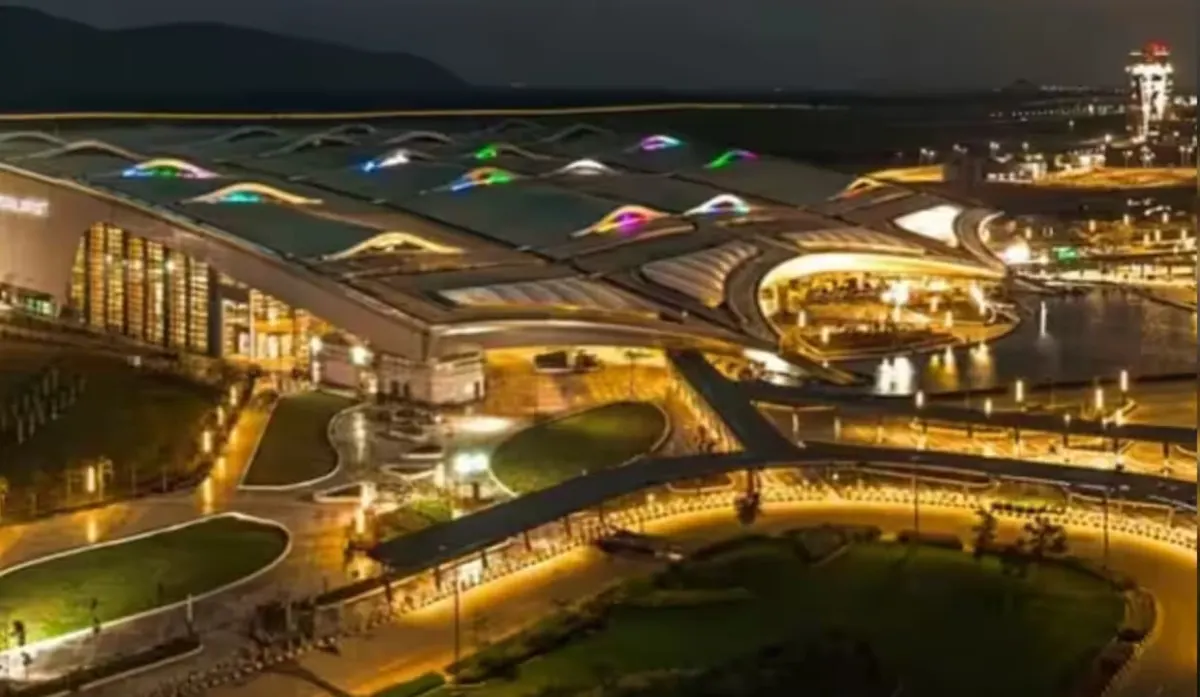
IndiGo Opens Commercial Flights at Bhogapuram
IndiGo launched the first commercial flight to the new Rs 5,700 crore Bhogapuram Airport, shifting civilian traffic from the old civil enclave.

Sydney Airport Master Plan 2045 Approved
The Australian government approved Sydney Airport's Master Plan 2045, enabling terminal integration to handle 72.6 million passengers by 2045.
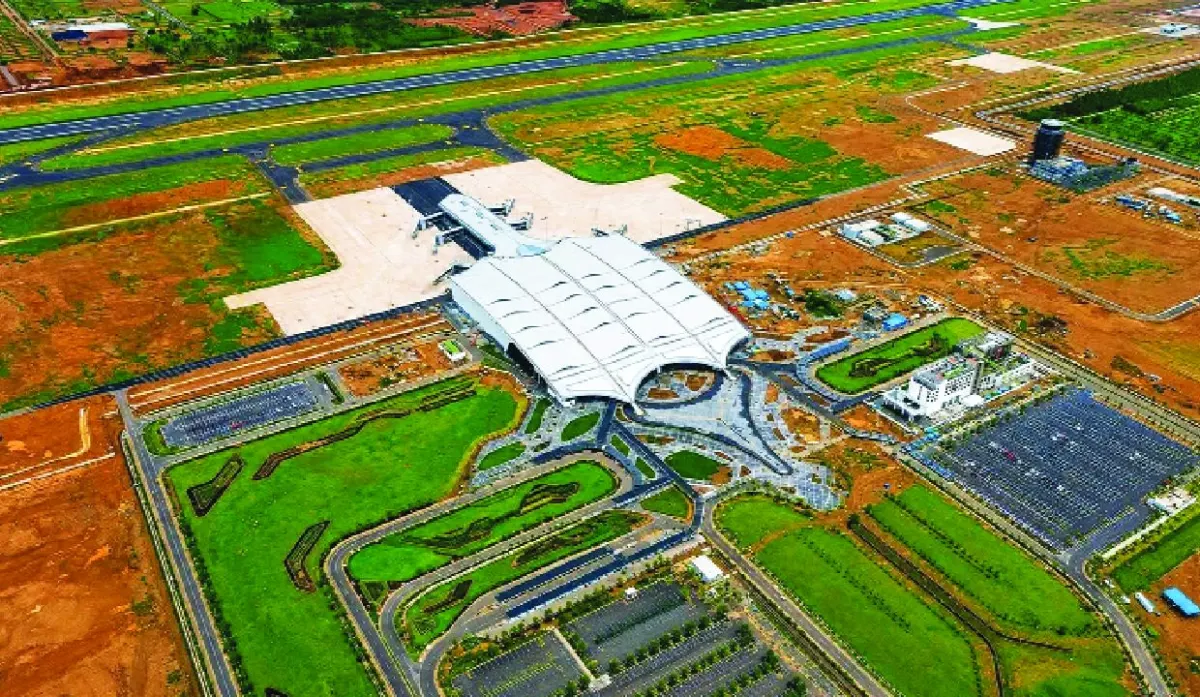
Visakhapatnam Airport Ends Commercial Flights for 30 Years
Visakhapatnam Airport ended scheduled commercial flights ahead of Bhogapuram's opening, triggering a 30-year moratorium on civil operations.
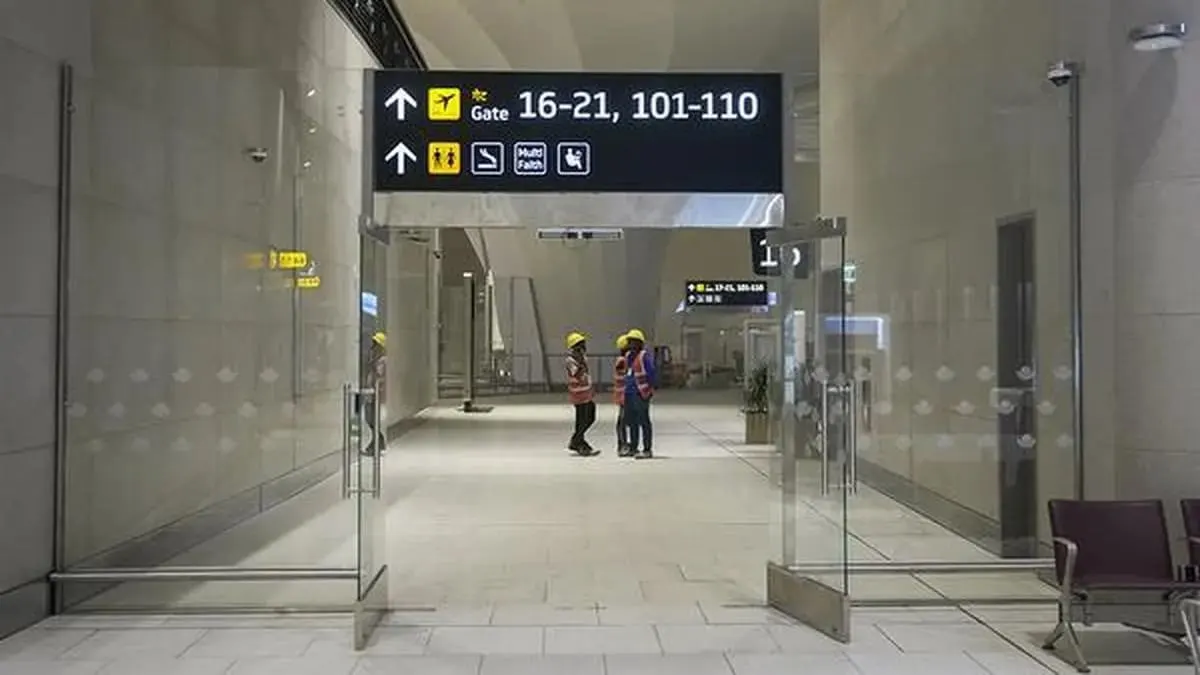
NMIA Approves 13 Airlines for Cargo Operations
NMIA has approved 13 international airlines to launch freighter flights, accelerating Mumbai's transition to a dual-airport cargo system.

Hong Kong Air Cargo Lands First Navi Mumbai Freighter
Hong Kong Air Cargo launched flights to Navi Mumbai, marking the airport's first international freighter service with 6 weekly movements.

ENAC Suspends Catania Flights Amid Mount Etna Eruption
ENAC suspended operations at Catania Airport due to a Mount Etna eruption, resulting in 700 flight cancellations and massive regional diversions.