Long Thanh Airport Opens December 1 to Challenge Changi

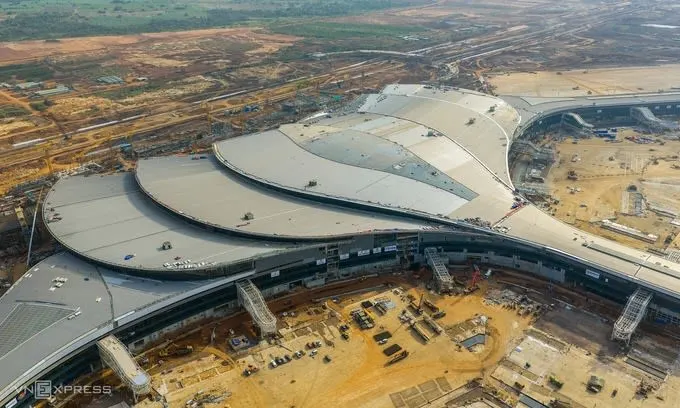
Long Thanh International Airport will begin commercial operations on December 1, 2026, marking the start of Vietnam's shift to a dual-airport hub system.
Key Takeaways
- •Long Thanh International Airport opens for commercial flights on December 1, 2026.
- •Phase 1 provides 25 million annual passenger capacity with a $16 billion investment.
- •Transition follows a three-phase plan to shift international traffic from SGN.
- •New hub aims to compete with major Southeast Asian transit centers like Changi.
Vietnam's Infrastructure Milestone
Long Thanh International Airport (LTH) is scheduled to commence commercial flight operations on December 1, 2026, representing a transformative shift for the Vietnam aviation hub strategy. The Airports Corporation of Vietnam (ACV) has confirmed that the facility will initiate its first phase of operations, designed to alleviate the chronic congestion currently plaguing Tan Son Nhat International Airport (SGN) in Ho Chi Minh City. This development aligns with the government's broader objective to capture a larger share of regional transit traffic and compete directly with established hubs such as Singapore Changi.
The Transition Strategy
The transition to the new facility will follow a structured three-phase plan mandated by the Long Thanh Operations Transition Plan. During the initial transition period from December 2026 to March 2027, approximately 19% of Ho Chi Minh City's total international passenger volume is expected to shift to the new mega-hub. This move is a critical step in implementing a dual-airport model, where the legacy SGN facility will pivot to focus primarily on domestic and short-haul regional flights, while LTH handles long-haul international and cargo operations.
Construction and Capacity Metrics
The project, which represents a total investment of approximately $16 billion, is currently in its final stages of preparation. According to Nguyen Duc Hung, acting CEO of the Airports Corporation of Vietnam, construction teams are accelerating work to ensure all facilities and equipment installations are completed no later than September 2026. Phase 1 of the airport is engineered to support an annual capacity of 25 million passengers and 1.2 million tonnes of cargo. Once fully completed across all four terminals, the facility is projected to reach an ultimate capacity of 100 million passengers and 5 million tonnes of cargo annually.
Operational Challenges and Stakeholder Impact
While the project promises significant relief for SGN, the transition introduces notable logistical complexities. According to the Airline Consultation Committee, the 40-kilometer distance between the two airports presents hurdles for carriers that rely on domestic flights to feed international long-haul services. Vietnamese domestic airlines, including Vietnam Airlines and Vietjet, face the complex task of splitting operations across two sites. Furthermore, international long-haul carriers are expected to shift their operations to LTH by the Summer 2027 schedule, necessitating new ground handling and catering arrangements.
Historical Context and Regional Benchmarking
The strategy of building a greenfield mega-hub to replace a congested legacy airport mirrors successful regional precedents. In 2006, the opening of Suvarnabhumi Airport (BKK) in Thailand replaced the congested Don Mueang as Bangkok's primary gateway, establishing a permanent dual-airport system. Similarly, the 1998 opening of Kuala Lumpur International Airport (KLIA) allowed Malaysia to expand its transit capacity significantly. Vietnam's current trajectory follows these established patterns, aiming to scale infrastructure to meet long-term regional demand.
Dual-Airport Capacity Comparison
| Metric | Long Thanh (Phase 1) | Tan Son Nhat (Design) |
|---|---|---|
| Annual Capacity | 25 million | 30 million |
| Primary Focus | Long-haul/Cargo | Domestic/Short-haul |
Infrastructure Completion Timeline
The path to full operation involves several critical milestones. Construction and equipment installation are expected to conclude in September 2026. Following the December 1, 2026, opening, the secondary phase of the transition—the transfer of long-haul international routes—is scheduled for March 28, 2027. These dates remain subject to final operational readiness assessments by the civil aviation authorities.
Why This Matters for Regional Transit
The opening of LTH signals Vietnam's intent to become a primary transit node in Southeast Asia, challenging the current dominance of established hubs. For the aviation industry, the successful execution of this dual-airport system will serve as a bellwether for infrastructure-led growth in emerging markets. If managed effectively, the shift will not only resolve the capacity constraints at SGN but also provide the necessary infrastructure to support the next decade of traffic growth in the region.
Frequently Asked Questions
- What is the expected passenger capacity of Long Thanh International Airport?
- Phase 1 of Long Thanh International Airport is designed to handle 25 million passengers annually. Upon final completion of all four terminals, the airport is projected to support an ultimate capacity of 100 million passengers per year.
- How will the opening of Long Thanh impact existing operations at Tan Son Nhat?
- Tan Son Nhat International Airport will transition to serving primarily domestic and short-haul regional flights. This shift is intended to relieve chronic overcrowding at the legacy airport by moving long-haul international and cargo operations to the new Long Thanh facility.
Get breaking commercial aviation news and expert airline analysis at omniflights.com. Follow aviation sustainability efforts, emissions research, and green initiatives in the Environmental section at omniflights.com/environmental.

Written by Ujjwal Sukhwani
Aviation News Editor & Industry Analyst delivering clear coverage for a worldwide audience. Covers flight operations, safety regulations, and market trends with expert analysis.
Visit ProfileYou Might Also Like

IndiGo Opens Commercial Flights at Bhogapuram

Sydney Airport Master Plan 2045 Approved
Visakhapatnam Airport Ends Commercial Flights for 30 Years
NMIA Approves 13 Airlines for Cargo Operations

Hong Kong Air Cargo Lands First Navi Mumbai Freighter