Noida Airport Opens March 28 as India Lifts Domestic Airfare Caps

Co-Founder & CEOAviation News Editor delivering trusted coverage across the global aviation industry.
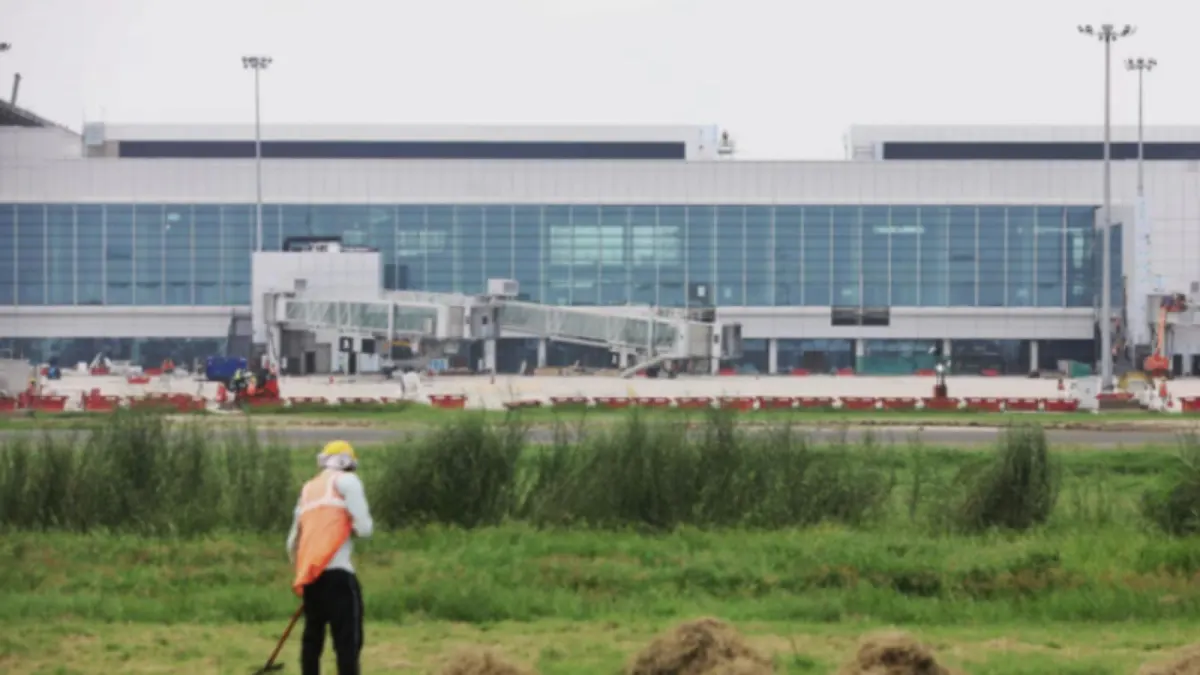
Noida International Airport will open March 28 as India lifts airfare caps imposed after IndiGo's operational crisis, restoring pricing freedom to...
Key Takeaways
- •Opens with an initial capacity of 12 million passengers annually on March 28, 2026.
- •Lifts temporary domestic airfare caps, effective March 23, 2026, restoring dynamic pricing.
- •The fare caps were a response to IndiGo's December 2025 disruptions from new FDTL crew rules.
- •Adds a second major airport to the congested Delhi-NCR aviation market, relieving pressure on DEL.
India's civil aviation landscape is set for two significant shifts next week with the formal inauguration of Noida International Airport (DXN) on March 28 and the removal of temporary domestic airfare caps five days earlier on March 23. The new airport, located in Jewar, Uttar Pradesh, has received its aerodrome license from the Directorate General of Civil Aviation (DGCA) and is poised to begin operations as the second major international gateway for the Delhi National Capital Region (NCR).
The simultaneous lifting of pricing restrictions by the Ministry of Civil Aviation (MoCA) marks the end of an emergency measure introduced in December 2025. The caps were implemented to stabilize the market following widespread flight cancellations by IndiGo, which faced severe crew shortages after the rollout of revised Flight Duty Time Limitation (FDTL) regulations. This dual development introduces both new infrastructure capacity and restored market dynamics to one of the world's fastest-growing aviation markets.
Noida Airport: A New Gateway for the NCR
Noida International Airport is preparing for its inauguration with enhanced security protocols, including five temporary police posts and seven patrol vehicles established by the Noida Police. According to its official master plan, the airport's first phase is designed to handle 12 million passengers annually, a significant correction from initial media reports suggesting a lower capacity. Phase 1 infrastructure includes a single 3,900-meter runway, 10 aerobridges, and 28 aircraft parking stands, all cleared for 24x7 commercial operations under the public use aerodrome license granted to operator Yamuna International Airport Private Limited (YIAPL).
The airport's opening is expected to have a significant impact on stakeholders across the region. For passengers in Uttar Pradesh and surrounding districts, DXN offers a crucial alternative to the congested Indira Gandhi International Airport (DEL) in Delhi. The development is also a catalyst for commercial growth along the Yamuna Expressway, with plans for a Semiconductor Park, an automobile cluster, and an 87-acre Multi-Modal Cargo Hub in the vicinity. Uttar Pradesh Chief Minister Yogi Adityanath has highlighted the airport's potential to generate an estimated Rs 1 lakh crore in revenue.
Return to Dynamic Pricing
Effective March 23, 2026, MoCA will lift the temporary airfare caps that ranged from Rs 7,500 for flights under 500 km to Rs 18,000 for routes over 1,500 km. This regulatory intervention was a direct response to the operational meltdown experienced by IndiGo in December 2025, when new DGCA-mandated FDTL norms led to a shortage of available flight crews and mass cancellations, causing airfares to spike.
While airlines regain pricing freedom, MoCA's official order has urged carriers to "ensure that fares remain reasonable, transparent and commensurate with market conditions." This cautionary note reflects a pattern of government oversight in India's otherwise deregulated fare environment. The situation mirrors the market disruption following the bankruptcy of Go First in May 2023, which also led to a sudden capacity reduction and soaring fares, prompting government advisories for airlines to self-regulate.
Noida International Airport (DXN) vs Indira Gandhi International Airport (DEL)
| Metric | Noida International Airport (DXN) | Indira Gandhi International Airport (DEL) |
|---|---|---|
| Phase 1 Capacity | 12 million | ~70 million |
| Runways | 1 (3,900m) | 4 |
| Distance from New Delhi | ~80 km | ~16 km |
Technical Analysis
The simultaneous launch of a major greenfield airport and the conclusion of a significant regulatory intervention highlights two key trends in Indian aviation. First, the development of secondary airports in major metropolitan areas is now a critical strategy for managing growth and alleviating congestion, with Noida's role for Delhi mirroring that of the upcoming Navi Mumbai airport for Mumbai. Second, the government has demonstrated a clear willingness to temporarily re-regulate pricing during market crises to protect consumers, even in a deregulated sector. The IndiGo FDTL crisis, much like the Go First collapse, triggered a rapid response that balanced airline operational realities with public interest. This pattern suggests that while airlines will benefit from a return to dynamic pricing, the regulatory threshold for future intervention remains relatively low in the face of widespread service disruptions.
What Comes Next
The immediate timeline for Indian aviation is packed with key milestones. The removal of domestic airfare caps is confirmed by MoCA for March 23, 2026. This will be followed by the official inauguration of Noida International Airport, which is expected on March 28, 2026. While the airport will be officially open, the commencement of the first commercial passenger flights from DXN is expected by airlines and the DGCA in late April or May 2026, subject to final operational clearances and airline scheduling.
Why This Matters
This confluence of events is significant for the Indian aviation industry. The opening of Noida International Airport adds crucial long-term capacity to the nation's busiest air corridor, offering passengers more choice and potentially easing pressure on existing infrastructure. Simultaneously, the removal of fare caps restores commercial autonomy to airlines, allowing them to manage yields more effectively but also placing the onus on them to maintain reasonable pricing to avoid further regulatory scrutiny. For passengers and airlines alike, these developments signal a new phase of growth and competition in the NCR market.
Get breaking commercial aviation news and expert airline analysis at omniflights.com. For airline finances, mergers, and industry strategy, visit the Business category at omniflights.com/business.
Written by Hardik Vishwakarma
Co-Founder & Aviation News Editor leading initiatives that improve trust and visibility across the global aviation industry. Covers airlines, airports, safety, and emerging technology.
Visit ProfileYou Might Also Like
Discover more aviation news based on similar topics

FAA Faces $3.5 Billion Shortfall in ATC Modernization
FAA Administrator Bryan Bedford reported a $3.5 billion shortfall for the Brand New Air Traffic Control System, totaling $16 billion for Phase One.

FAA Pauses Flights into LAX Due to Staffing Shortages
The FAA issued a temporary ground stop for flights bound for LAX on Monday morning due to staffing shortages at the Southern California TRACON.

FAA Proposes Ending Overland Supersonic Flight Ban
The FAA has proposed a new performance-based noise standard to replace the 1973 ban on overland supersonic flight, enabling future commercial travel.

DOT Rule Exempts Airlines From Cyberattack Delay Costs
Starting October 19, 2026, the DOT will allow airlines to withhold meal and hotel vouchers for delays caused by cyberattacks and nine other events.

Wizz Air, Ryanair Demand NATS Reform After ATC Failure
Wizz Air and Ryanair are calling for urgent NATS reform after a September 8 system failure caused over 1,000 flight cancellations across the UK.

US Treasury Iran Sanctions Target 27 Airlines, Mahan Air
The U.S. Treasury sanctioned 36 entities, including 27 Iranian airlines, to disrupt illicit procurement networks used by the Iranian government.