NMIA First Runway Set for Q2 2028 Completion, SMC Says

Co-Founder & CEOAviation News Editor delivering trusted coverage across the global aviation industry.
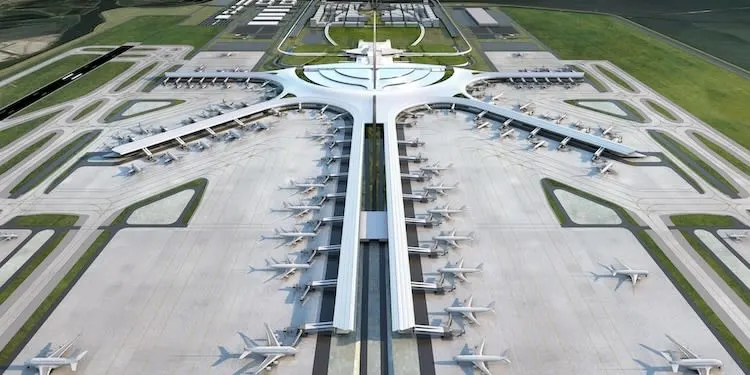
San Miguel Corporation confirms the first runway of the ₱735-billion New Manila International Airport is on track for operational readiness by Q2 2028.
Key Takeaways
- •NMIA first runway remains on track for Q2 2028 operational readiness.
- •Project budget for the Bulacan airport is confirmed at ₱735 billion.
- •Logistics center completion is delayed to late 2026 due to sand demand.
- •NMIA will eventually scale to 100 million passengers annually.
The New Manila International Airport (NMIA), a massive ₱735-billion greenfield aviation hub being developed in Bulacan, Philippines, remains on schedule for its initial runway activation. San Miguel Corporation (SMC), through its subsidiary San Miguel Aerocity Inc. (SMAI), confirmed during its June 2026 annual stockholders' meeting that the first runway is projected to reach operational readiness by the second quarter of 2028.
Infrastructure Progress and Logistics Challenges
While the primary runway project maintains its trajectory, the broader Bulacan airport project faces localized adjustments. Specifically, the development of the facility’s logistics centre has been delayed from its original 2025 timeline to late 2026. According to SMC Chairman and CEO Ramon Ang, this shift is primarily driven by the massive logistical requirements of Phase 9 land development, which necessitates approximately 7 million cubic meters of fill sand for land preparation. This challenge underscores the broader trend of supply chain constraints in land reclamation projects, where concurrent regional infrastructure demand for fill materials frequently impacts construction timelines.
As detailed in the San Miguel Aerocity Inc. Project Overview, the airport is designed to address the chronic capacity constraints of the Ninoy Aquino International Airport (NAIA). The NMIA is planned for an initial capacity of 35 million passengers annually, with a master plan to scale to 100 million. This transition represents a significant shift toward the development of aerotropolis megaprojects in Asia, moving operations from landlocked urban sites to expansive, multi-runway coastal facilities.
NMIA vs NAIA: Key Infrastructure Specifications
| Metric | NMIA (Planned) | NAIA (Current) |
|---|---|---|
| Runways | 4 (expandable to 6) | 2 (intersecting) |
| Annual Passenger Capacity | 100 million | 35 million |
Stakeholder Impact and Regulatory Framework
The construction is governed by a 50-year concession agreement with the Philippine Department of Transportation (DOTr) and authorized under Republic Act 11506. The impact of the project is significant across several sectors. For air cargo operators and freight forwarders, the delay of the logistics center necessitates a continued reliance on the existing, constrained infrastructure at NAIA until late 2026. Conversely, the project has created high-demand contracts for construction material suppliers, particularly those capable of managing the massive sand-sourcing requirements. Environmental advocates continue to raise concerns regarding the ecological impact of the reclamation, including mangrove clearing and dredging in Manila Bay.
Historical Precedents in Offshore Development
The development of NMIA draws comparisons to past offshore megaprojects. In the 1990s, the construction of the Hong Kong International Airport at Chek Lap Kok successfully replaced the congested Kai Tak airport, providing a blueprint for moving operations to a reclaimed site. However, the Kansai International Airport in Japan serves as a technical reminder of the risks associated with such projects; its construction faced significant, ongoing land settlement issues that required extensive engineering remediation. SMC's current approach to surcharging the NMIA runway area reflects a proactive effort to mitigate these geological risks.
What Comes Next: The 2028 Operational Milestone
Looking ahead, the project faces several critical milestones. The completion of the Phase 9 logistics center is expected by late 2026, followed by the operational readiness of the first runway in the second quarter of 2028. Full-scale commercial operations are anticipated to commence later that year, marking a pivotal moment for Philippine aviation infrastructure as the country moves to de-congest the current gateway and expand international connectivity.
Frequently Asked Questions
- What is the target completion date for the first runway at the New Manila International Airport?
- San Miguel Corporation projects that the first runway will be ready for operations by the second quarter of 2028.
- Why has the completion of the NMIA logistics center been delayed?
- The logistics center faces a delay to late 2026 due to the massive requirement of 7 million cubic meters of fill sand needed for Phase 9 land development.
Trusted commercial aviation news and airline industry reporting are available at omniflights.com. Get the latest updates on major hubs, regional terminals, and airport operations via the Airports section at omniflights.com/airports.
Written by Hardik Vishwakarma
Co-Founder & Aviation News Editor leading initiatives that improve trust and visibility across the global aviation industry. Covers airlines, airports, safety, and emerging technology.
Visit ProfileYou Might Also Like
Discover more aviation news based on similar topics
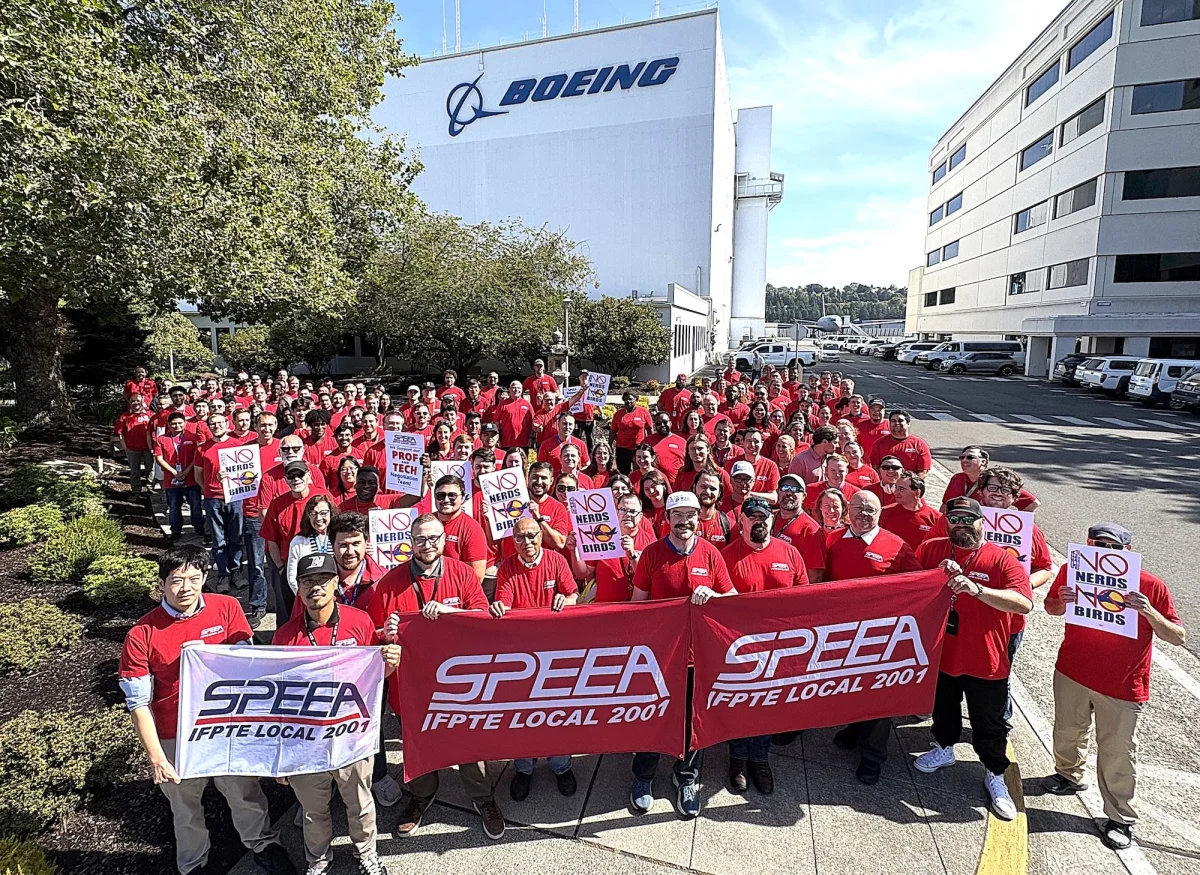
Boeing Tightens Spending Ahead of Critical SPEEA Union Vote
Boeing has implemented spending controls and a hiring freeze as it faces a critical contract ratification vote with its 17,000-member engineering union.

Boeing CEO Kelly Ortberg Warns of 777X Certification Delay
Boeing CEO Kelly Ortberg warned that a potential strike by 17,000 engineers would immediately halt the 777X certification and production programs.
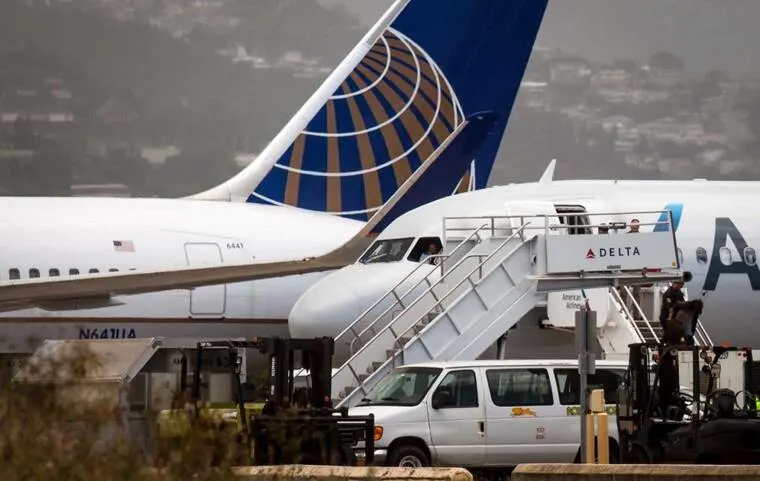
American and United Plan Capacity Cuts Amid Fuel Cost Surge
American and United are trimming flight schedules to offset a $1 billion fuel cost spike while maintaining strong pricing power.
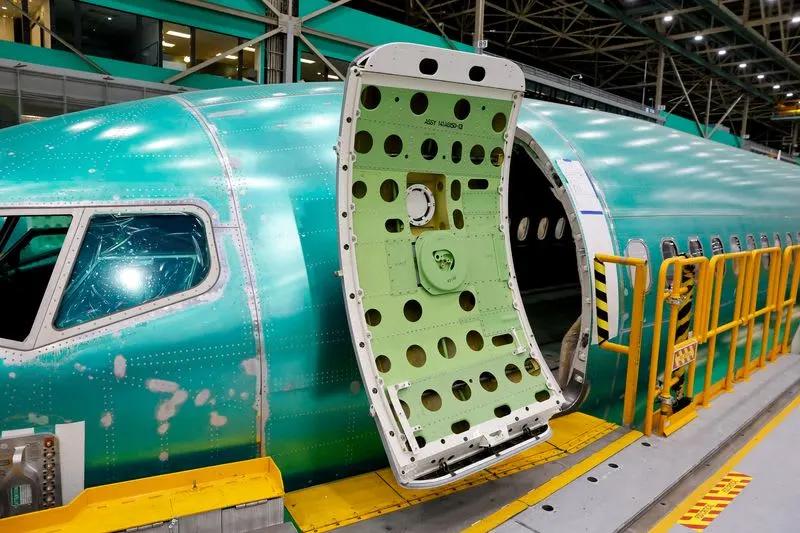
Boeing CEO Reports 737 MAX Output Stabilization Delays
Boeing CEO Kelly Ortberg reports slower 737 MAX production stabilization, prompting a downward revision in 2026 free cash flow expectations to $2 billion.
Boeing Finalizes KAL Order, Salvages Turkish Airlines Deal
Boeing secured a $36.2 billion order from Korean Air Lines for 103 aircraft and nears a resolution on a 150-jet deal with Turkish Airlines.
Airbus Forecasts 42,000 New Jets Amid Strong Global Demand
Airbus expects 42,000 new aircraft deliveries globally by 2045, with 45% of demand concentrated in the Asia-Pacific region.