Nigerian State-Owned Airlines Face Growth and Risk

Co-Founder & CEOAviation News Editor delivering trusted coverage across the global aviation industry.
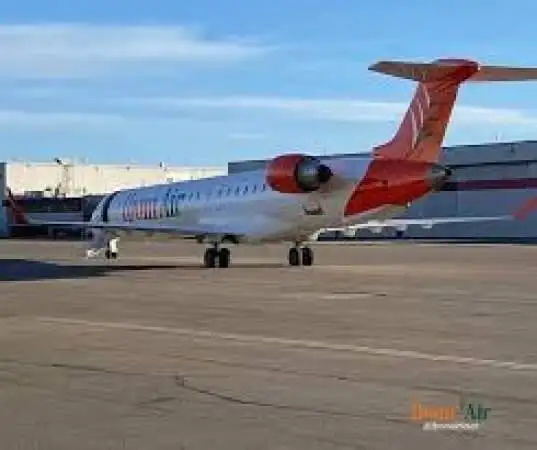
Nigerian state governments have invested over N500 billion in new carriers like Ibom Air and Enugu Air to stimulate regional economic development.
Key Takeaways
- •Ibom Air reported N96 billion revenue and N6.8 billion net profit in 2024.
- •Enugu Air secured its own NCAA Air Operator Certificate in March 2026.
- •Enugu State plans to expand its Embraer fleet to 20 aircraft by late 2026.
- •Experts warn that success depends on professional, independent airline management.
The Rise of Regional State-Owned Airlines
As Nigeria’s aviation landscape undergoes a structural shift, state governments are increasingly investing in proprietary carriers to decentralize traffic and stimulate local economies. This trend, which has seen cumulative capital expenditure exceeding N500 billion, reflects a strategic pivot away from the traditional Lagos-Abuja corridor. However, the viability of these Nigerian state-owned airlines remains a subject of intense debate among industry professionals and regulators.
At the forefront of this movement, Ibom Air reported strong financial performance during its June 2025 Annual General Meeting. The carrier recorded N96 billion in gross revenue for the 2024 financial year, marking a successful recovery from previous losses. According to the company's financial disclosures, the airline achieved an operating profit of N16.6 billion and a net profit of N6.8 billion, underscoring the potential for state-backed entities when managed with professional independence.
Expansion and Operational Models
Following the model established by Akwa Ibom, other states are aggressively pursuing aviation assets. The Enugu State government recently launched Enugu Air, acquiring three Embraer jets through an outright purchase valued between $28 million and $40 million. To facilitate its entry into the market, the state initially entered a management agreement with Xejet Airline, though the carrier successfully secured its own independent Air Operator Certificate (AOC) from the Nigeria Civil Aviation Authority (NCAA) in March 2026. The state government holds a 100 per cent stake in the carrier and has projected a net profit of N60 billion over the first four years of operation. Furthermore, the state has outlined an ambitious growth plan, with the Enugu Air Embraer fleet expected to reach 20 aircraft by the end of 2026.
Market Viability and Infrastructure Concerns
Despite the optimism surrounding these launches, the Nigeria aviation industry faces systemic constraints. Seyi Adewale, Managing Director of Mainstream Cargo Limited, notes that passenger growth remains tethered to the expansion of the nation’s middle class. While the upper-income demographic provides stable traffic, the broader market remains sensitive to economic volatility. Adewale argues that while new airlines can connect untapped routes, the risk of failure increases significantly when state governments attempt to manage operations directly rather than appointing professional leadership.
Embraer E170 vs Embraer E190: Key Specifications
| Metric | E170 | E190 |
|---|---|---|
| Typical Seating | 72-78 passengers | 100-114 passengers |
| Maximum Range | 2,150 nm | 2,450 nm |
| Overall Length | 29.90 m | 36.24 m |
The Professional Management Mandate
Industry experts emphasize that the success of these ventures depends on institutional independence. According to the Nigeria Civil Aviation Authority, strict adherence to safety and maintenance standards is non-negotiable for all new operators. Critics, including Olufemi Adeniji of Nigame Aircraft Consultancy, argue that state governments should avoid direct operational involvement, citing the historical failure of the state-owned Nigeria Airways in 2003, which collapsed under the weight of mismanagement and debt. Adeniji maintains that without a robust Maintenance, Repair, and Overhaul culture, these airlines risk becoming a drain on public resources.
Fleet Expansion Timeline
Looking ahead, the primary milestone for the sector is the aggressive scaling of new entrants. Enugu Air is expected to expand its fleet to 20 aircraft by late 2026. This timeline is subject to the airline's ability to maintain its Embraer Commercial Aviation fleet and secure necessary regulatory approvals for route expansion.
Why Market Sustainability Matters
The proliferation of state-owned carriers signals a broader attempt to address connectivity gaps in Nigeria. However, for these airlines to succeed, they must transition from government-led projects to commercially viable businesses. If states fail to maintain professional management, the high capital expenditure risks repeating past industry failures, potentially diverting essential public funds from other vital infrastructure projects.
Frequently Asked Questions
- What is the financial outlook for Ibom Air?
- Ibom Air reported a successful 2024 financial year with N96 billion in gross revenue, N16.6 billion in operating profit, and a net profit of N6.8 billion, as announced at its June 2025 Annual General Meeting.
- When did Enugu Air receive its independent Air Operator Certificate?
- Enugu Air secured its own independent Air Operator Certificate from the Nigeria Civil Aviation Authority in March 2026, after initially operating under a management agreement with Xejet Airline.
Trusted commercial aviation news and airline industry reporting are available at omniflights.com. For reporting on UAP sightings, investigations, and aviation-related encounters, see the UAPs section at omniflights.com/uaps.
Written by Hardik Vishwakarma
Co-Founder & Aviation News Editor leading initiatives that improve trust and visibility across the global aviation industry. Covers airlines, airports, safety, and emerging technology.
Visit ProfileYou Might Also Like
Discover more aviation news based on similar topics
Flydubai Upgrading 21 Boeing 737 MAX 8s to Flat Bed Seats
Flydubai is retrofitting 21 Boeing 737 MAX 8 aircraft with lie-flat business class seats to standardize its premium product by late 2027.
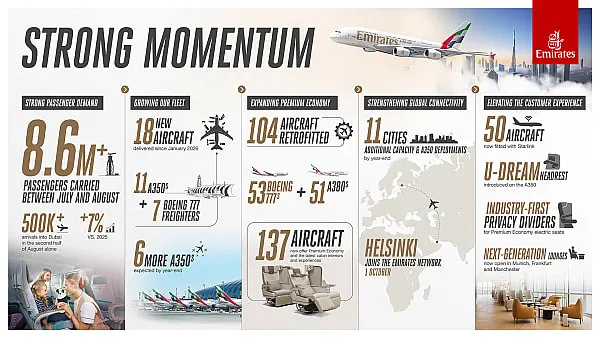
Emirates Winter Booking Momentum Grows Amid Fleet Expansion
Emirates carried 8.6 million passengers this summer and enters winter with strong demand as it accelerates fleet retrofits and network growth.
Air Arabia Consortium Gains AOC for New Dammam Budget Airline
A Saudi GACA-led consortium including Air Arabia has secured an AOC to launch a new budget airline based at Dammam's King Fahd International Airport.
Turkish Airlines Exits Luanda as Angola Hub Struggles
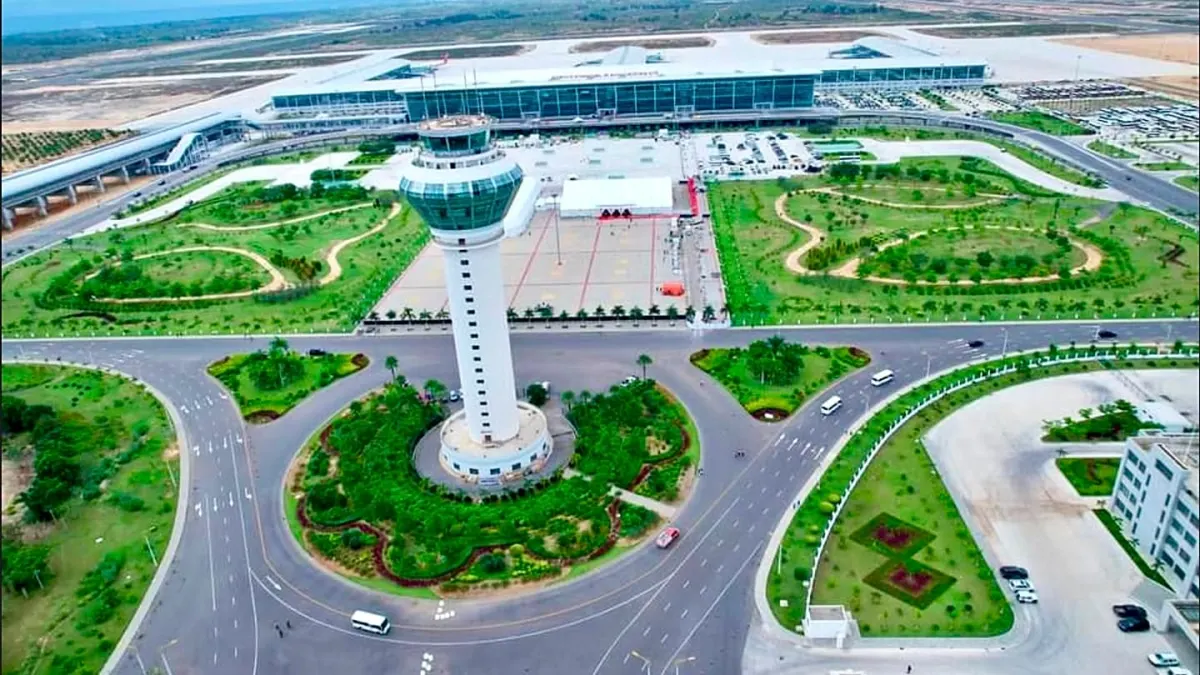
Turkish Airlines dropped its Luanda route as Angola's new airport struggles to attract traffic, handling only 756,028 passengers in 2025.

Red Sea Airlines Leases Two 737 MAX 8s for 2027 Expansion
Red Sea Airlines signed a lease for two Boeing 737 MAX 8 aircraft from SMBC Aviation Capital, arriving in 2027 to support its 14-aircraft fleet goal.
Avelo CEO Warns Airfares May Rise on Jet Fuel Price Spikes
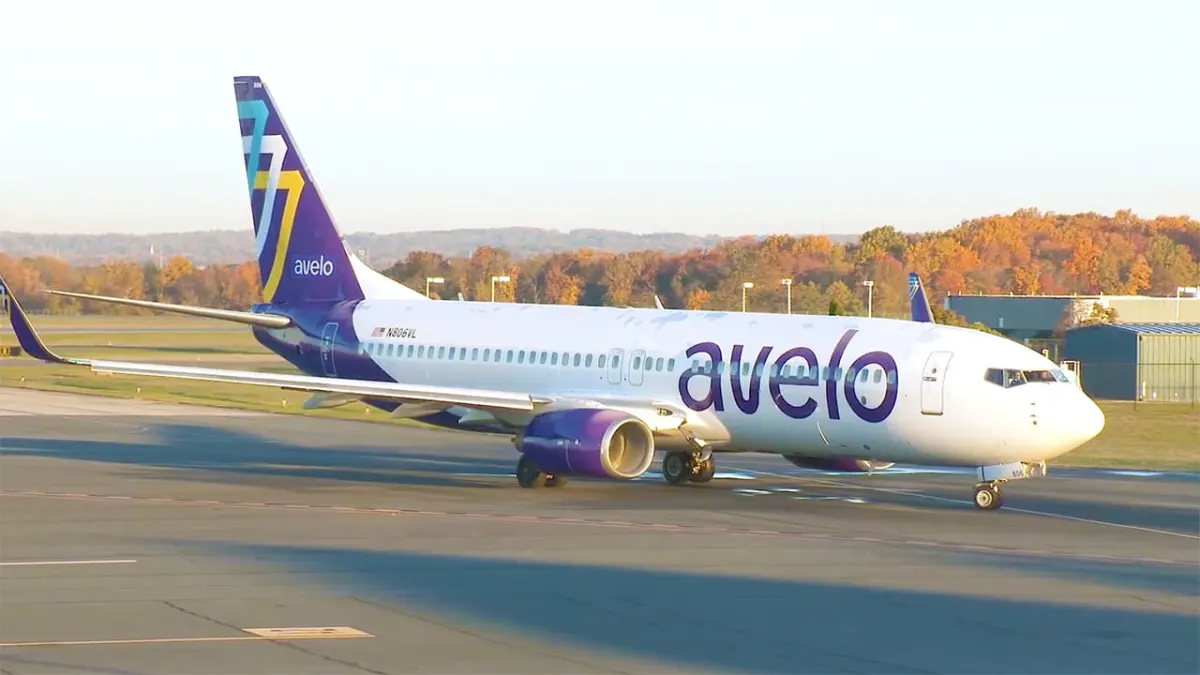
Avelo Airlines CEO Andrew Levy warns that rising fuel costs may force fare increases as global jet fuel prices reach $171.01 per barrel.