Nigerian Airlines Face Shutdown Risk as Jet Fuel Prices Double

Co-Founder & CEOAviation News Editor delivering trusted coverage across the global aviation industry.
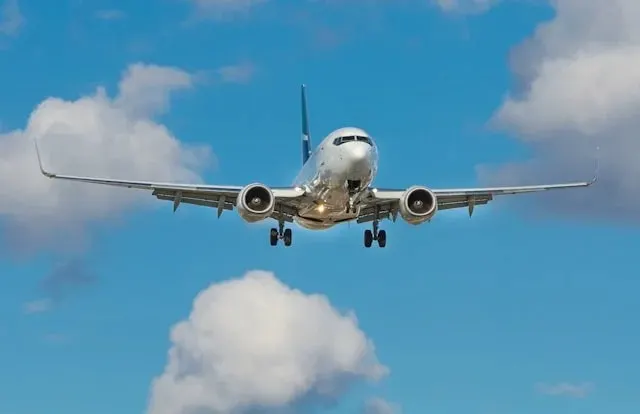
Nigerian airlines face potential shutdowns as jet fuel prices double to N2,700/litre, driven by Middle East tensions and threatening a 25% airfare hike.
Key Takeaways
- •Surges over 100% with Jet A1 fuel hitting N2,700 per litre, driven by global oil prices.
- •Threatens an imminent 20-25% increase in domestic airfares from the current N195,000 baseline.
- •Pushes airline operational costs for fuel to 45%, creating a high risk of flight suspensions.
- •Sparks conflict with Nigeria's consumer protection agency over fare sustainability and price-fixing allegations.
Nigerian domestic airlines are under severe financial pressure following a surge in the price of Aviation Turbine Fuel (Jet A1), which has more than doubled to between N2,500 and N2,700 per litre. The price hike is a direct consequence of escalating geopolitical tensions in the Middle East, which have pushed global Brent crude oil prices to approximately $112 per barrel, according to ICE Brent Crude Market Data. The crisis threatens the operational stability of the entire Nigerian domestic aviation sector, with operators warning of imminent fare increases and potential flight suspensions.
The sharp rise in fuel cost has dramatically altered airline economics. According to analysis from aviation expert Samuel Caulcrick, jet fuel now accounts for up to 45% of an airline's total operational costs, a significant increase from the previous range of 30–35%. This leaves carriers with minimal room to absorb the increase, forcing them to consider passing the cost on to passengers. Despite the pressure, airlines have so far attempted to hold one-way fares at a baseline of around N195,000, a model that industry insiders describe as unsustainable.
Industry Impact and Regulatory Scrutiny
The financial strain is impacting all domestic carriers, raising concerns about service continuity. United Nigeria Airlines has been vocal about the challenges, with spokesperson Chibuike Uloka stating that if the price of Jet A1 reaches N3,000 per litre, some airlines will have no choice but to suspend operations. This would reduce domestic capacity and likely drive remaining ticket prices even higher due to constrained supply.
The situation has also attracted regulatory attention from Nigeria's Federal Competition and Consumer Protection Commission (FCCPC). The agency recently accused airlines of anti-competitive practices and price fixing. In response, Uloka challenged the FCCPC to investigate the feasibility of maintaining N195,000 fares while fuel costs exceed N2,000 per litre, highlighting the disconnect between regulatory accusations and market realities. This ongoing tension complicates efforts to find a sustainable pricing model that ensures both airline survival and consumer protection.
The primary stakeholder groups facing high-severity impacts are Nigerian domestic air passengers and the airlines themselves. Passengers face a projected 20–25% fare increase in the immediate future, making air travel less affordable. For airlines like Air Peace and United Nigeria Airlines, operating margins are severely compressed, creating a direct risk of grounding parts of their fleets.
Context and Historical Precedent
This is not the first time external shocks have crippled Nigeria's aviation market. A clear historical precedent occurred in March 2022, when the Russian invasion of Ukraine caused a massive spike in global energy prices. During that period, aviation fuel in Nigeria rose from N190 to over N700 per litre, resulting in an immediate doubling of domestic airfares to a new baseline of N50,000. The current situation, driven by a different geopolitical conflict, mirrors this pattern, demonstrating the market's extreme vulnerability to global oil price volatility, which can be tracked via resources like the IATA Jet Fuel Price Monitor.
Technical Analysis
This development underscores a structural weakness in Nigeria's aviation industry: its high dependence on imported, dollar-denominated Jet A1 fuel. This exposes airlines to simultaneous global oil price shocks and local currency fluctuations, creating a volatile cost environment that is difficult to manage. The conflict with the FCCPC further suggests a regulatory framework that may not be fully equipped to handle such rapid cost inflation, focusing on consumer pricing without a clear mechanism to assess the underlying operational sustainability of the carriers it oversees. The current crisis is likely to accelerate consolidation in the market, as only the most well-capitalized airlines will be able to weather a prolonged period of high fuel costs.
What Comes Next
Industry experts project an initial fare increase of 20–25% in the coming days as airlines can no longer absorb the high costs. Looking further ahead, the Airline Operators of Nigeria (AON) has indicated that flight suspensions are a distinct possibility. It is expected that should fuel prices not retreat, some carriers may begin to suspend operations in the second quarter of 2026 to avoid incurring further losses. The industry continues to call for government engagement to address the pricing structure and ensure the sector's viability.
Why This Matters
This fuel crisis is more than a story about rising ticket prices; it represents a critical threat to Nigeria's economic connectivity. Air travel is essential for business and commerce in the country, and a reduction in capacity or the failure of multiple airlines would have significant economic repercussions. The situation tests the resilience of the Nigerian aviation market and the ability of regulators and operators to find a sustainable path forward in a volatile global environment.
Get breaking commercial aviation news and expert airline analysis at omniflights.com. Stay informed on aviation incidents, investigations, and best practices in the Safety category at omniflights.com/safety.
Written by Hardik Vishwakarma
Co-Founder & Aviation News Editor leading initiatives that improve trust and visibility across the global aviation industry. Covers airlines, airports, safety, and emerging technology.
Visit ProfileYou Might Also Like
Discover more aviation news based on similar topics
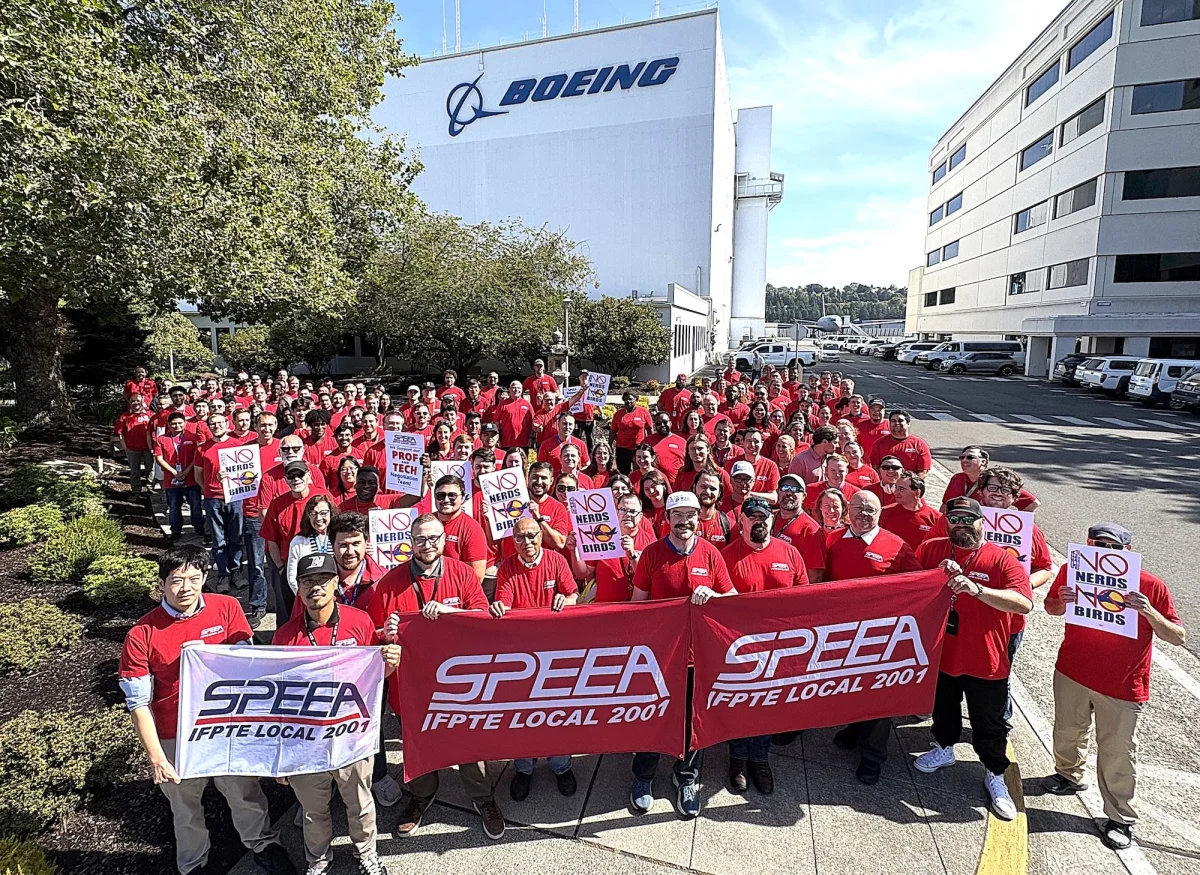
Boeing Tightens Spending Ahead of Critical SPEEA Union Vote
Boeing has implemented spending controls and a hiring freeze as it faces a critical contract ratification vote with its 17,000-member engineering union.

Boeing CEO Kelly Ortberg Warns of 777X Certification Delay
Boeing CEO Kelly Ortberg warned that a potential strike by 17,000 engineers would immediately halt the 777X certification and production programs.
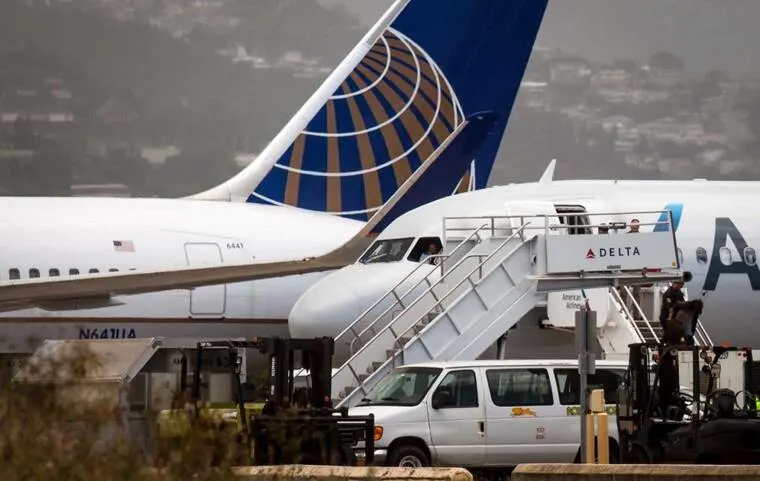
American and United Plan Capacity Cuts Amid Fuel Cost Surge
American and United are trimming flight schedules to offset a $1 billion fuel cost spike while maintaining strong pricing power.
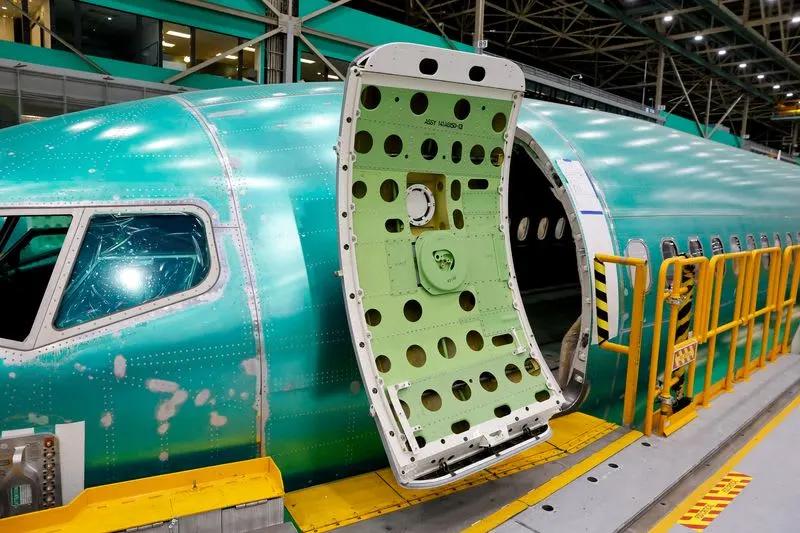
Boeing CEO Reports 737 MAX Output Stabilization Delays
Boeing CEO Kelly Ortberg reports slower 737 MAX production stabilization, prompting a downward revision in 2026 free cash flow expectations to $2 billion.
Boeing Finalizes KAL Order, Salvages Turkish Airlines Deal
Boeing secured a $36.2 billion order from Korean Air Lines for 103 aircraft and nears a resolution on a 150-jet deal with Turkish Airlines.
Airbus Forecasts 42,000 New Jets Amid Strong Global Demand
Airbus expects 42,000 new aircraft deliveries globally by 2045, with 45% of demand concentrated in the Asia-Pacific region.