New EU Air Passenger Rights Rules Update Compensation Laws

Co-Founder & CEOAviation News Editor delivering trusted coverage across the global aviation industry.
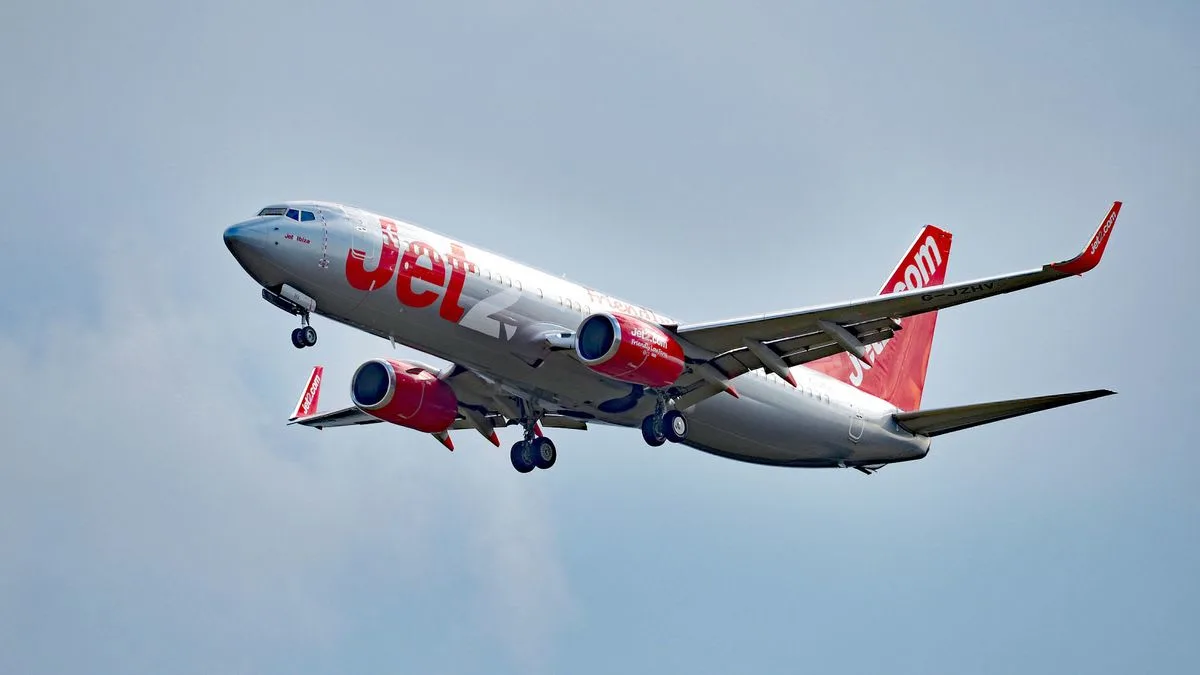
The European Parliament has reached a provisional agreement updating EU Air Passenger Rights to mandate fare transparency and free family seating.
Key Takeaways
- •New rules mandate all-in pricing for air fares including carry-on bags.
- •Children under 14 must be seated with parents at no extra charge.
- •Airlines must inform passengers of compensation rights within 96 hours.
- •Digital boarding passes must be accessible without proprietary apps.
New EU Air Passenger Rights Framework
The European Parliament has reached a provisional agreement this week to overhaul EU Air Passenger Rights, introducing significant changes to how airlines interact with travelers across Europe. These updates, which revise the foundational Regulation (EC) No 261/2004 (official text), aim to address long-standing issues regarding fare transparency, baggage policies, and passenger compensation. The new rules, expected to be implemented by late 2027, represent the most comprehensive update to the framework in over two decades.
Impact on Fare Transparency and Baggage
A central pillar of the agreement focuses on EU Air Passenger Rights and carry-on luggage rules. Airlines will now be required to display the total air fare, inclusive of carry-on luggage, at the very beginning of the booking process. This move is designed to improve price comparability for consumers. While carriers may still offer lower fares for passengers traveling without hand luggage, the mandate forces an end to hidden fees that often surprise travelers during the final stages of a transaction.
However, the operational implications are significant for budget carriers. Industry analysts have pointed out that mandating universal carry-on allowances could create logistical bottlenecks. For instance, Ryanair operates high-density Boeing 737-8200 aircraft with 197 seats, yet the cabin can only physically accommodate approximately 90 large cabin bags. Forcing a change in baggage policies may lead to increased gate-checking, potentially causing departure delays. According to European Commission data, these transparency requirements align with broader industry trends toward unbundling that regulators are now seeking to standardize.
Compensation and Duty of Care Standards
The agreement reaffirms existing flight delay compensation thresholds while streamlining the claims process. Passengers remain entitled to €250 for journeys up to 1,500 km, €400 for distances between 1,500 km and 3,500 km, and €600 for longer flights. Airlines are now required to proactively provide clear instructions on how to submit a compensation request within 96 hours (4 days) of a disruption.
Under the revised rules, passengers have 9 months to file a claim, and airlines must respond or pay within 30 days. The deal also clarifies the definition of "extraordinary circumstances," which exempts carriers from paying compensation. This list now includes natural disasters, war, and airport or air navigation strikes. Importantly, the duty of care remains: airlines must provide meals after three hours of delay and hotel stays for up to three nights if overnight accommodation is required.
Protecting Vulnerable Passengers
New protections for families and Persons with Reduced Mobility (PRM) are a major component of the deal. Airlines are now prohibited from charging extra fees to seat children under 14 years old next to their accompanying adult. Furthermore, PRM passengers are granted new rights to seek compensation and re-routing if they miss a flight due to an airport's failure to provide timely assistance to the gate. These rules also mandate that boarding passes must be available digitally without requiring passengers to download specific proprietary applications or create user accounts, a shift from current digital boarding pass ecosystems.
What Comes Next: Implementation Timeline
The provisional agreement is subject to a formal vote in the European Parliament plenary, which is expected to occur in July 2026. Following the parliamentary approval, the regulatory process will move toward final adoption and national enforcement preparation. Industry stakeholders, including major low-cost carriers, will need to update their IT systems and booking interfaces to comply with the new transparency and digital access mandates. Full implementation and enforcement across the European Union are anticipated by mid to late 2027.
Why This Matters for European Aviation
This regulatory update signals a shift toward a more standardized passenger experience, effectively curbing the aggressive ancillary revenue models adopted by some budget carriers. By mandating upfront pricing and protecting family seating, the EU is rebalancing the relationship between airlines and consumers. For the industry, the challenge lies in maintaining operational efficiency while adhering to these new, stricter service requirements. The success of these measures will likely be measured by the reduction in consumer complaints and the ability of airlines to adapt their boarding and booking processes without incurring excessive delays.
Frequently Asked Questions
- What are the new EU rules for family seating?
- Under the new agreement, airlines are mandated to ensure that children under 14 years old are seated in an adjacent seat to their accompanying adult at no extra charge.
- How much compensation can I claim for a flight delay?
- Compensation remains tiered by distance: €250 for flights up to 1,500 km, €400 for flights between 1,500 km and 3,500 km, and €600 for longer journeys, provided the delay exceeds three hours and is not caused by extraordinary circumstances.
For global airline trends and commercial aviation news, turn to omniflights.com. Discover how innovation is shaping aviation through aircraft systems, avionics, and digital tools at omniflights.com/technology.
Written by Hardik Vishwakarma
Co-Founder & Aviation News Editor leading initiatives that improve trust and visibility across the global aviation industry. Covers airlines, airports, safety, and emerging technology.
Visit ProfileYou Might Also Like
Discover more aviation news based on similar topics
FAA Pauses Flights into LAX Due to Staffing Shortages
The FAA issued a temporary ground stop for flights bound for LAX on Monday morning due to staffing shortages at the Southern California TRACON.

FAA Proposes Ending Overland Supersonic Flight Ban
The FAA has proposed a new performance-based noise standard to replace the 1973 ban on overland supersonic flight, enabling future commercial travel.

DOT Rule Exempts Airlines From Cyberattack Delay Costs
Starting October 19, 2026, the DOT will allow airlines to withhold meal and hotel vouchers for delays caused by cyberattacks and nine other events.

Wizz Air, Ryanair Demand NATS Reform After ATC Failure
Wizz Air and Ryanair are calling for urgent NATS reform after a September 8 system failure caused over 1,000 flight cancellations across the UK.

US Treasury Iran Sanctions Target 27 Airlines, Mahan Air
The U.S. Treasury sanctioned 36 entities, including 27 Iranian airlines, to disrupt illicit procurement networks used by the Iranian government.
FAA Awards $481M in Airport Infrastructure Grants
The FAA announced $481 million in infrastructure grants across 191 U.S. airports to improve runways, terminals, and overall capacity.