NCAA Warns Nigerian Airlines Over Misleading Flight Delay Information

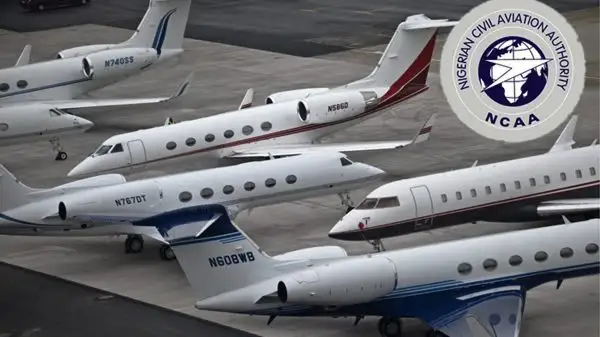
Nigeria's NCAA has warned domestic airlines to stop providing false reasons for flight delays and to adhere to passenger compensation regulations.
Key Takeaways
- •Warns airlines against providing false reasons for delays, such as citing "bird strikes" for fuel issues.
- •Mandates passenger care under Nig. CARs Part 19, including refreshments after two hours.
- •Requires airlines to provide hotel accommodation (HOTAC) for passengers delayed past 10 p.m.
- •Represents an escalation in regulatory enforcement following previous warnings issued in July 2024 and December 2025.
The Nigeria Civil Aviation Authority (NCAA) has issued a stern warning to domestic airlines, demanding greater transparency and an end to the practice of providing misleading information to passengers during flight delays. The directive, announced on April 14, 2026, by Michael Achimugu, the NCAA's Director of Public Affairs and Consumer Protection, specifically targets carriers that misrepresent operational issues and fail to provide mandated passenger care.
This regulatory action addresses a growing pattern of passenger complaints where airlines announce short, rolling delays without a clear resolution, or attribute disruptions to causes like bird strikes when the actual problem is fuel scarcity. The NCAA emphasized that such practices erode consumer trust and violate passenger rights as codified in Nigerian aviation law. The warning signals an intensified enforcement stance by the regulatory body under the leadership of Director-General of Civil Aviation (DGCA), Capt. Chris Najomo.
Regulatory Enforcement and Passenger Rights
At the core of the NCAA's warning is the enforcement of Nig. CARs Part 19, the consumer protection regulations governing air travel in Nigeria. According to the NCAA's statement, these regulations are not optional. They mandate that airlines must provide passengers with light refreshments after a delay of two hours. Furthermore, for significant disruptions that extend late into the evening, carriers are obligated to provide Hotel Accommodation (HOTAC) for passengers delayed up to 10 p.m.
Michael Achimugu's statement included direct instructions to airline staff: "Airlines should, please, ensure to let passengers know the true reasons for lengthy delays, especially when it is a fuelling issue. Do not keep people waiting in false hopes from morning until late night." He added a specific example of the misinformation the NCAA seeks to eliminate, stating, "Do not say 'Bird strike' if the problem is fuel. Do not say 'We will take off in 30 minutes' if you are not sure of fuelling."
To ensure compliance, the DGCA has tasked the NCAA's consumer protection officers with enhanced monitoring of flight operations at airports across the country. This proactive surveillance is designed to identify and penalize non-compliant airlines in real-time.
A Pattern of Deception
The April 2026 warning is not an isolated event but the latest in a series of regulatory actions aimed at improving airline transparency. This move follows a recurring pattern of enforcement against Nigerian carriers for poor delay management. In December 2025, the NCAA issued an ultimatum to Xejet, Rano Air, and United Nigeria Airlines for failing to provide timely delay information and evading their duty to provide refreshments.
Similarly, in July 2024, the NCAA threatened severe sanctions against airlines that advertised false departure times, a practice used to secure bookings with no realistic prospect of on-time operation. These historical precedents highlight the regulator's long-standing zero-tolerance approach to misleading passengers. Industry analysis indicates that persistent aviation fuel (Jet A1) supply challenges are a primary driver of these operational disruptions, prompting some airlines to use alternative excuses to avoid liability and the costs associated with mandated passenger care.
Impact on Airlines and Passengers
The NCAA's directive has significant implications for key stakeholders. For Nigerian air passengers, the primary impact is positive, promising improved access to accurate flight status information and the enforcement of their rights to care during disruptions. This could lead to a more predictable and less stressful travel experience.
For Nigerian domestic airlines, the warning signals increased compliance costs. Carriers will face greater scrutiny and potential regulatory fines if they fail to provide accurate reporting and mandated amenities like HOTAC. This may pressure airlines to improve their operational planning and fuel logistics. Meanwhile, the NCAA Consumer Protection Directorate is now tasked with implementing the enhanced monitoring and enforcement duties ordered by the DGCA, requiring more resources and personnel on the ground at terminals.
Why This Matters
This enforcement action by the NCAA is a critical step toward improving operational standards and consumer trust in Nigeria's domestic aviation market. By demanding transparency and adherence to established passenger rights, the regulator aims to create a more reliable and accountable environment for travelers. The move underscores the challenges airlines face with infrastructure and supply chains while affirming that these operational difficulties cannot be used as a pretext to mislead the public.
Frequently Asked Questions
- What are the passenger rights during flight delays in Nigeria?
- Under Nigeria's Civil Aviation Regulations (Part 19), airlines must provide light refreshments after a two-hour delay. For delays extending past 10 p.m., they are required to provide hotel accommodation (HOTAC) for affected passengers.
- Why did the NCAA issue a warning to Nigerian airlines about flight delays?
- The Nigeria Civil Aviation Authority (NCAA) warned airlines to stop giving passengers false hope and misleading reasons for delays, such as blaming 'bird strikes' for operational issues like fuel shortages, and to comply with mandatory passenger care regulations.
Get breaking commercial aviation news and expert airline analysis at omniflights.com. Stay informed on aviation incidents, investigations, and best practices in the Safety category at omniflights.com/safety.

Written by Hardik Vishwakarma
Co-Founder & Aviation News Editor leading initiatives that improve trust and visibility across the global aviation industry. Covers airlines, airports, safety, and emerging technology.
Visit ProfileYou Might Also Like
FAA Clears Boeing 737 MAX 10 Software Glitch

FAA Faces $3.5 Billion Shortfall in ATC Modernization
FAA Pauses Flights into LAX Due to Staffing Shortages
FAA Proposes Ending Overland Supersonic Flight Ban

DOT Rule Exempts Airlines From Cyberattack Delay Costs