FAA, Airlines Push Back on Newark International Flight Halt

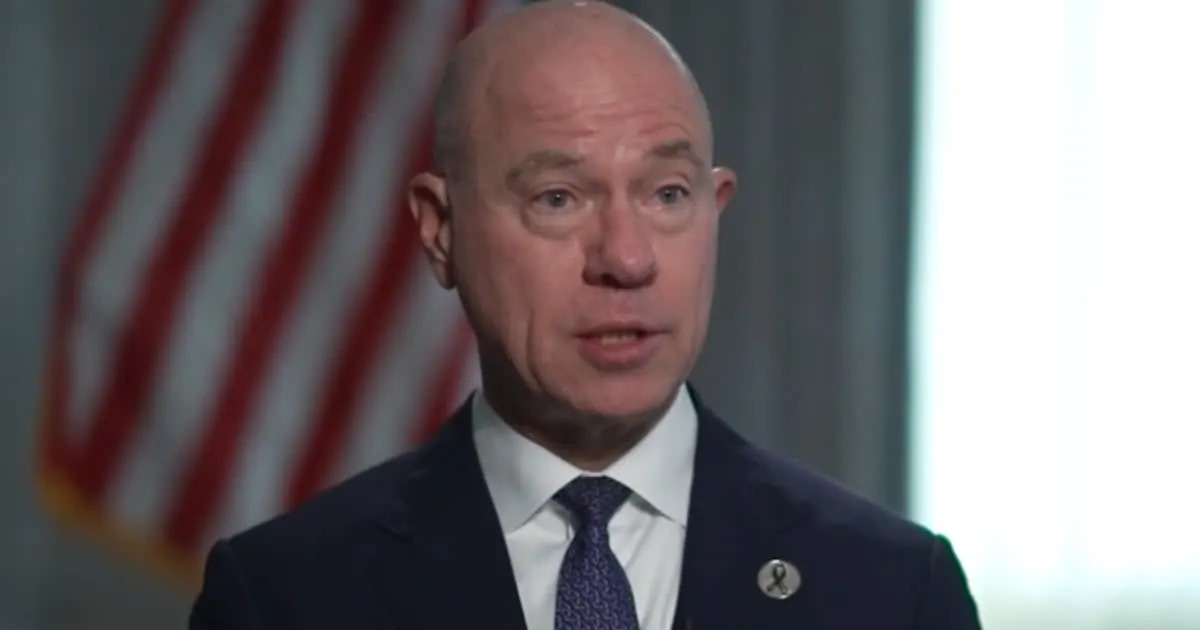
FAA Administrator Bryan Bedford and industry groups oppose DHS Secretary Markwayne Mullin's plan to pull CBP officers from Newark to manage ICE protests.
Key Takeaways
- •DHS Secretary Mullin threatens to pull CBP officers from EWR for ICE support.
- •FAA Administrator Bedford opposes the move due to operational disruption risks.
- •CBP withdrawal would force international flight cancellations at Newark.
- •Airlines project 263 million passengers for the 2026 summer travel season.
Conflict Over Federal Staffing at EWR
Federal Aviation Administration (FAA) Administrator Bryan Bedford has voiced strong opposition to a proposal by Department of Homeland Security (DHS) Secretary Markwayne Mullin to withdraw Customs and Border Protection (CBP) officers from Newark Liberty International Airport (EWR). The potential move, intended to reallocate federal resources to support Immigration and Customs Enforcement (ICE) agents at the Delaney Hall detention center, threatens to trigger a total Newark international flight halt. Under Title 19 and Title 8 of the Code of Federal Regulations, all international passengers and cargo arriving in the United States must be processed by CBP officers; without them, the airport cannot legally accept international arrivals.
Operational Impacts on Global Travel
The trade group Airlines for America (A4A) has warned that the withdrawal of federal staff would cause devastating operational disruptions. With airlines projecting to fly 263 million passengers between June 1 and August 31, 2026, any reduction in processing capacity at a major hub like EWR would ripple across global supply chains. For carriers like United Airlines, which maintains a significant presence at EWR, the directive would necessitate immediate flight cancellations or diversions to alternative gateways such as John F. Kennedy International Airport (JFK) or Philadelphia International Airport (PHL). Beyond passenger travel, international air cargo forwarders face severe supply chain bottlenecks if CBP cannot verify and clear freight, as noted in Airlines for America's recent policy briefings.
Historical Context and Regulatory Friction
This dispute underscores the increasing weaponization of aviation infrastructure in political conflicts. The situation draws parallels to the 2019 government shutdown, when staffing shortages at the Transportation Security Administration (TSA) and air traffic control centers forced ground stops at EWR and LaGuardia Airport (LGA). More recently, in November 2025, the FAA was forced to mandate up to 6% flight reductions at 40 major US airports due to internal staffing crises. The current tension is exacerbated by local sanctuary city policies in Newark, which limit cooperation between municipal police and federal immigration authorities. According to DHS press releases, Secretary Mullin argues that federal resources must be prioritized for the safety of ICE personnel at the Delaney Hall facility, which currently holds approximately 300 detainees.
Why This Matters for Aviation Stakeholders
For the Port Authority of New York and New Jersey (PANYNJ), the withdrawal of CBP resources represents a significant risk to terminal revenue and landing fees. Furthermore, the move signals a shift where critical transportation infrastructure becomes a lever in federal-local jurisdictional clashes. As FAA newsroom statements suggest, the agency remains focused on maintaining the safety and efficiency of the National Airspace System, though the jurisdictional authority of the DHS to reallocate its own personnel places the FAA in a precarious position. The aviation industry is now bracing for a potential legal challenge, with industry groups rumored to be preparing for a court-ordered injunction should the DHS finalize its reallocation plan in June 2026.
Frequently Asked Questions
- Why would pulling CBP officers from EWR halt international flights?
- Under federal law, all international passengers and cargo entering the U.S. must be processed by Customs and Border Protection officers. If these officers are removed from the airport, the facility lacks the legal authority to clear international arrivals.
- What is the impact of the proposed CBP withdrawal on airlines?
- Airlines for America warns of devastating operational disruptions, including mandatory flight cancellations and diversions to other hubs. This would severely impact carriers like United Airlines and disrupt global air cargo supply chains.
For in-depth airline coverage and commercial aviation news, omniflights.com delivers timely industry insights. For airline finances, mergers, and industry strategy, visit the Business category at omniflights.com/business.

Written by Hardik Vishwakarma
Co-Founder & Aviation News Editor leading initiatives that improve trust and visibility across the global aviation industry. Covers airlines, airports, safety, and emerging technology.
Visit ProfileYou Might Also Like

FAA Clears Boeing 737 MAX 10 Software Glitch

FAA Faces $3.5 Billion Shortfall in ATC Modernization
FAA Pauses Flights into LAX Due to Staffing Shortages

FAA Proposes Ending Overland Supersonic Flight Ban

DOT Rule Exempts Airlines From Cyberattack Delay Costs