FAA Orders Mishap Investigation Into SpaceX Starship Flight 12

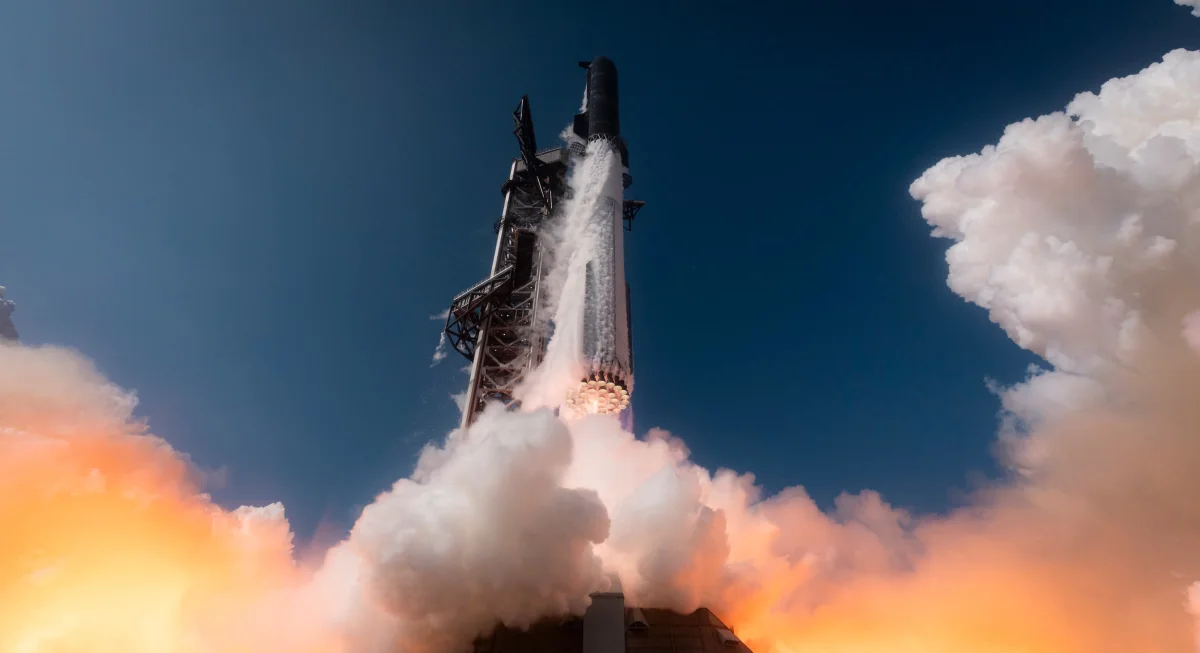
The FAA has mandated a formal mishap investigation into SpaceX's Starship Flight 12 following the loss of the Super Heavy booster in the Gulf of Mexico.
Key Takeaways
- •FAA mandated a mishap investigation into the Starship Flight 12 anomaly.
- •Booster 19 crashed after Raptor 3 engine failures during the boostback burn.
- •Flight 13 is suspended until the FAA approves all corrective actions.
- •SpaceX continues to use rapid iterative testing for the Starship V3 vehicle.
The Federal Aviation Administration (FAA) has initiated a mandatory FAA mishap investigation into the recent SpaceX Starship Flight 12 mission. The regulatory action follows an off-nominal event on May 22, 2026, during which the Super Heavy booster—identified as Booster 19—suffered multiple engine failures during its boostback burn. The vehicle subsequently crashed into the Gulf of Mexico, triggering an automatic suspension of flight operations for the program.
Regulatory Oversight and Safety Mandates
Under current FAA commercial space transportation regulations, the agency must oversee any investigation into an in-flight anomaly. An FAA spokesperson confirmed that the agency will participate in every step of the process, ensuring that SpaceX identifies the root cause of the Raptor 3 engine failure and implements necessary safety modifications. This grounded status directly impacts the Starship V3 launch cadence, as Flight 13 cannot proceed until the FAA approves the final mishap report and all associated corrective actions.
Technical Context of the V3 Architecture
The Flight 12 mission served as the high-profile debut of the Starship V3 architecture. This iteration features significant upgrades, most notably the transition to Raptor 3 engines. According to SpaceX mission specifications, the Super Heavy booster is powered by 33 of these engines, which provide approximately 50% more thrust per unit than earlier Raptor 1 variants. While the failure of Booster 19 represents a setback, the company continues to utilize an iterative aerospace testing and rapid prototyping model, treating hardware loss as a data-gathering component of the development cycle.
Stakeholder and Operational Impacts
For the SpaceX Starship program, the immediate consequence is an indefinite pause in flight testing. Secondary stakeholders are also monitoring the timeline closely. The NASA Artemis program relies on the Starship Human Landing System, and any compression in the testing schedule could influence upcoming lunar mission milestones. Similarly, the deployment of the Starlink satellite network may face delays if the transition of the V3 vehicle to commercial payload operations is postponed by the current regulatory inquiry.
Historical Precedents in Regulatory Review
This investigation follows a well-established pattern of regulatory oversight for the Starship program. In November 2023, the IFT-2 investigation resulted in 17 mandatory corrective actions, while the IFT-1 inquiry in April 2023 required 63 changes to vehicle and pad systems. These historical precedents suggest that the FAA will require a comprehensive verification process before permitting a return to flight.
What the Investigation Must Resolve
The current investigation focuses on the specific failure of the Raptor 3 engines during the boostback sequence. While SpaceX engineers work to isolate the cause, the FAA will evaluate whether the failure indicates a systemic design flaw in the V3 architecture or a localized component issue. The investigation is expected to conclude in the summer of 2026, with potential license approval for Flight 13 anticipated by late summer or early fall.
Why This Matters for Commercial Spaceflight
The outcome of this investigation signals the FAA's continued commitment to strict regulatory oversight as launch frequencies increase. For the broader industry, the rigorous review process serves as a reminder that private operators must balance rapid development cycles with public safety and airspace integrity. Environmental advocacy groups have further emphasized these concerns, arguing that frequent high-altitude anomalies require more stringent oversight of the Gulf of Mexico flight corridors.
Frequently Asked Questions
- Why did the FAA ground SpaceX Starship flights?
- The FAA grounded SpaceX Starship flights following the Flight 12 mission, where the Super Heavy booster (Booster 19) crashed into the Gulf of Mexico due to Raptor 3 engine failures. A formal mishap investigation is required to identify the root cause and implement corrective actions before the program can resume.
- What is the difference between Starship V3 and previous versions?
- Starship V3 introduces the Raptor 3 engine, which provides approximately 50% more thrust per engine compared to the earlier Raptor 1 variants. The V3 architecture is designed for increased payload capacity to Low Earth Orbit, reaching approximately 200 tonnes.
Access up-to-date commercial aviation news and airline industry developments via omniflights.com. For reporting on UAP sightings, investigations, and aviation-related encounters, see the UAPs section at omniflights.com/uaps.

Written by Hardik Vishwakarma
Co-Founder & Aviation News Editor leading initiatives that improve trust and visibility across the global aviation industry. Covers airlines, airports, safety, and emerging technology.
Visit ProfileYou Might Also Like
FAA Clears Boeing 737 MAX 10 Software Glitch

FAA Faces $3.5 Billion Shortfall in ATC Modernization
FAA Pauses Flights into LAX Due to Staffing Shortages
FAA Proposes Ending Overland Supersonic Flight Ban

DOT Rule Exempts Airlines From Cyberattack Delay Costs