Moscow Airports Suspend Flights After Massive Drone Attack

Co-Founder & CEOAviation News Editor delivering trusted coverage across the global aviation industry.

Rosaviatsiya halted all traffic at Moscow's four major airports on June 18, 2026, after a massive drone attack disrupted aviation fuel infrastructure.
Key Takeaways
- •Rosaviatsiya suspended all flights at Moscow's four major airports on June 18.
- •Aeroflot and Rossiya canceled 170+ flights due to the drone-related closures.
- •The targeted Moscow Oil Refinery supplies 70% of the region's jet fuel.
- •Approximately 180 drones were intercepted over the Moscow region.
Moscow Airspace Closure Following Drone Strike
Operations at all four major commercial airports in the Moscow region were temporarily suspended on June 18, 2026, following a large-scale Ukrainian drone attack that targeted critical infrastructure. The Federal Agency for Air Transport (Rosaviatsiya) mandated the immediate halt of all inbound and outbound flights, citing civilian safety concerns as air defense systems engaged approximately 180 Unmanned Aerial Vehicles (UAVs) over the capital.
The airspace closure significantly impacted the Aeroflot Group, which reported the cancellation of over 170 flights and delays to more than 110 others. The suspension affected Sheremetyevo Alexander S. Pushkin International Airport (SVO), Domodedovo Mikhail Lomonosov International Airport (DME), Vnukovo Andrei Tupolev International Airport (VKO), and Zhukovsky International Airport (ZIA). These facilities serve as the primary hubs for Russian domestic and international travel, and the sudden cessation of activity triggered cascading delays across the entire national network.
Impact on Aviation Fuel Infrastructure
Security officials confirmed that the drone strike targeted the Moscow Oil Refinery, an essential facility operated by Gazprom Neft. This refinery is responsible for producing approximately 70% of the aviation kerosene required by Moscow’s airports. The potential for long-term Moscow aviation fuel disruption remains a significant concern for airline operators and fuel suppliers like Gazprom-Aero. If the facility requires extended repairs, the industry may face increased costs associated with rerouting jet fuel supplies from other regions to maintain essential hub operations.
Operational Consequences for Carriers
The Aeroflot Group, including its subsidiary Rossiya Airlines, bore the brunt of the operational disruption. The grounding of aircraft forced the airline to manage thousands of displaced passengers and complex crew scheduling adjustments. For airport operators at SVO, DME, VKO, and ZIA, the suspension necessitated a complete halt of aeronautical revenue generation, followed by severe ramp congestion and gate management challenges as the flight schedule attempted to normalize in the hours following the lifting of the NOTAM (Notice to Air Missions).
Historical Precedents and Industry Trends
The vulnerability of Russian civil aviation hubs to military-related disruptions has increased significantly over the past two years. The June 18 incident follows similar closures in May 2026 and March 2025, confirming a pattern where Rosaviatsiya utilizes mandatory airspace closures as a primary safety protocol during active air defense engagements. Historically, these events have led to thousands of cumulative flight diversions, establishing a new operational reality for carriers operating within the Moscow region.
The Strategic Context of Airspace Security
This development indicates a shift in the operational risk profile for commercial aviation in the region, where critical energy infrastructure and transport hubs are increasingly intertwined with military defense objectives. The data suggests that the frequency of these closures is accelerating, forcing airlines to adopt more robust contingency planning for hub-and-spoke operations. While the immediate safety of civil aviation remains the priority for regulators, the secondary impact on fuel supply chains and network reliability represents a structural challenge for the Russian aviation sector. The reliance on the Moscow Oil Refinery creates a single point of failure that, when compromised, forces immediate and widespread network instability.
Timeline for Operational Recovery
Following the interception of the drone swarm, authorities began assessing damage to the refinery and surrounding infrastructure. While the primary airspace closure was lifted once air defense operations concluded, the return to normal scheduling is expected to take several days as airlines reposition aircraft and clear the backlog of delayed passengers. Future operations remain subject to the ongoing security environment, with no current guarantee that further airspace restrictions will not be implemented should additional drone activity occur in the Moscow vicinity.
Why Fuel Security Matters for Moscow Hubs
The disruption at the Moscow Oil Refinery highlights the fragility of the regional aviation fuel supply chain. Because the refinery provides 70% of the jet fuel consumed at the city's four major airports, any prolonged production halt forces carriers to source fuel from further afield, increasing operational costs and limiting flexibility. For passengers, this means that even after flight schedules resume, the industry faces the risk of ongoing fuel-related volatility that could impact ticket pricing and route availability in the coming months.
Frequently Asked Questions
- Which Moscow airports were affected by the June 2026 drone attack?
- All four major commercial airports serving Moscow were temporarily suspended: Sheremetyevo (SVO), Domodedovo (DME), Vnukovo (VKO), and Zhukovsky (ZIA).
- How did the drone attack impact the supply of aviation fuel in Moscow?
- The attack targeted the Moscow Oil Refinery, which produces approximately 70% of the aviation kerosene used in the region, creating risks for long-term fuel availability and supply chain stability.
Stay ahead of the airline industry with commercial aviation news from omniflights.com. For reporting on UAP sightings, investigations, and aviation-related encounters, see the UAPs section at omniflights.com/uaps.
Written by Hardik Vishwakarma
Co-Founder & Aviation News Editor leading initiatives that improve trust and visibility across the global aviation industry. Covers airlines, airports, safety, and emerging technology.
Visit ProfileYou Might Also Like
Discover more aviation news based on similar topics

Families Demand DCA Midair Collision Safety Reforms
Families of 67 victims from the 2025 DCA midair collision are pressing Congress for mandatory ADS-B In technology to prevent future aviation tragedies.
FAS Challenges AAIB Over Boeing 787 Safety Data
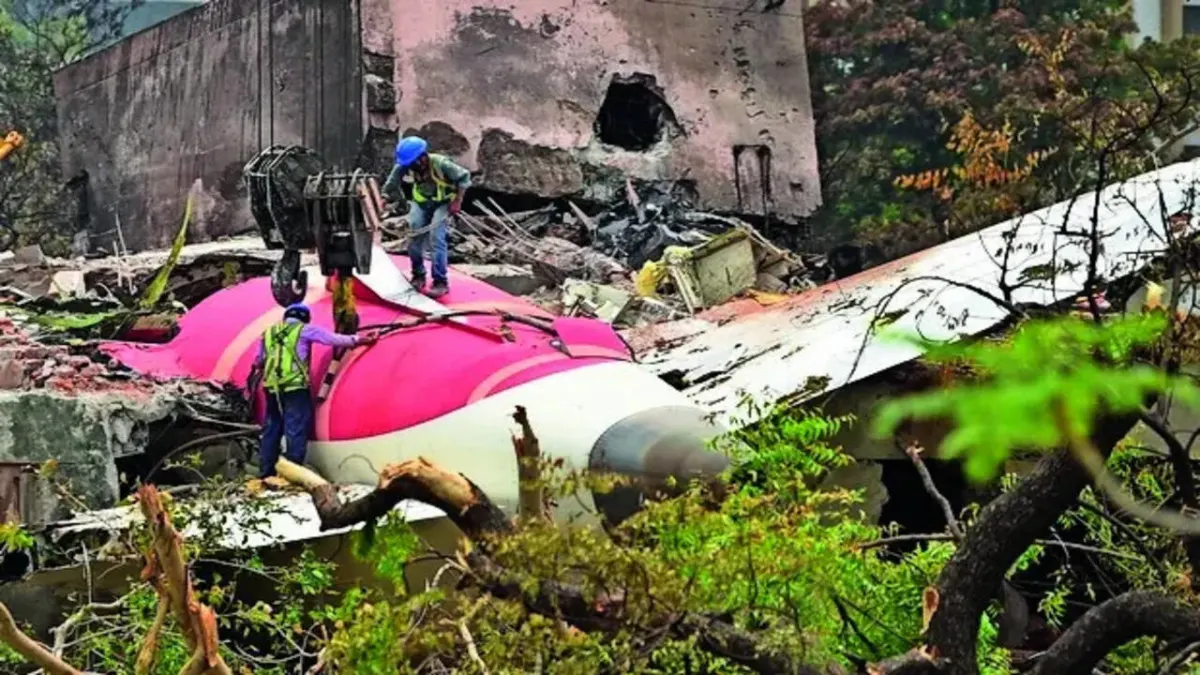
The Foundation for Aviation Safety is urging the AAIB to issue safety warnings for the Boeing 787 fleet following the fatal Air India 171 crash.
NTSB Safety Recommendations Lag Amid 6 Monthly Near-Misses
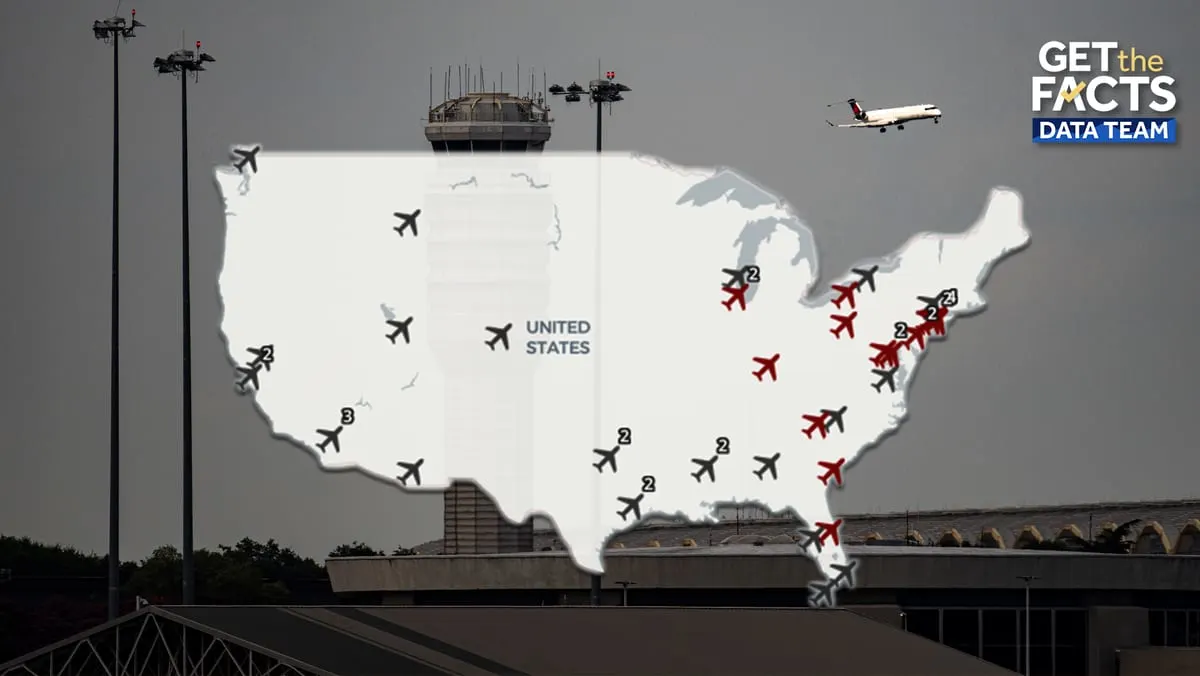
Approximately 6 near-miss incidents occur monthly at U.S. airports as 270 NTSB safety recommendations remain unaddressed by federal regulators.
NTSB Rejects FAA Safety Responses After 67-Fatality Crash
The NTSB labeled 11 FAA responses to 2025 DCA mid-air collision recommendations as unacceptable, citing the lack of a mandatory ADS-B In requirement.
EASA Orders Urgent Airbus A380 Wing Spar Inspections
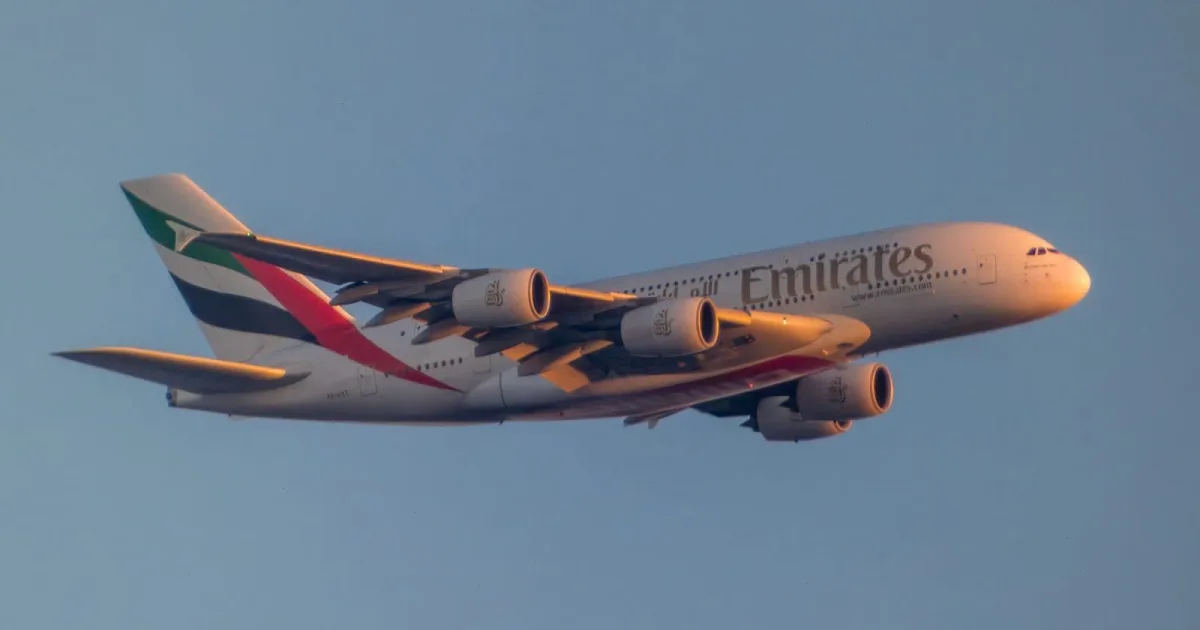
The EASA ordered urgent inspections on 16 Airbus A380s after discovering wing spar cracks that could compromise structural integrity.
Ryanair Flight RK514 Diverts to Birmingham After Emergency
Ryanair flight RK514 diverted to Birmingham Airport on September 13, 2026, following a medical emergency involving a passenger.