Mideast Conflict Halts Flights; Hong Kong Aids Stranded Residents

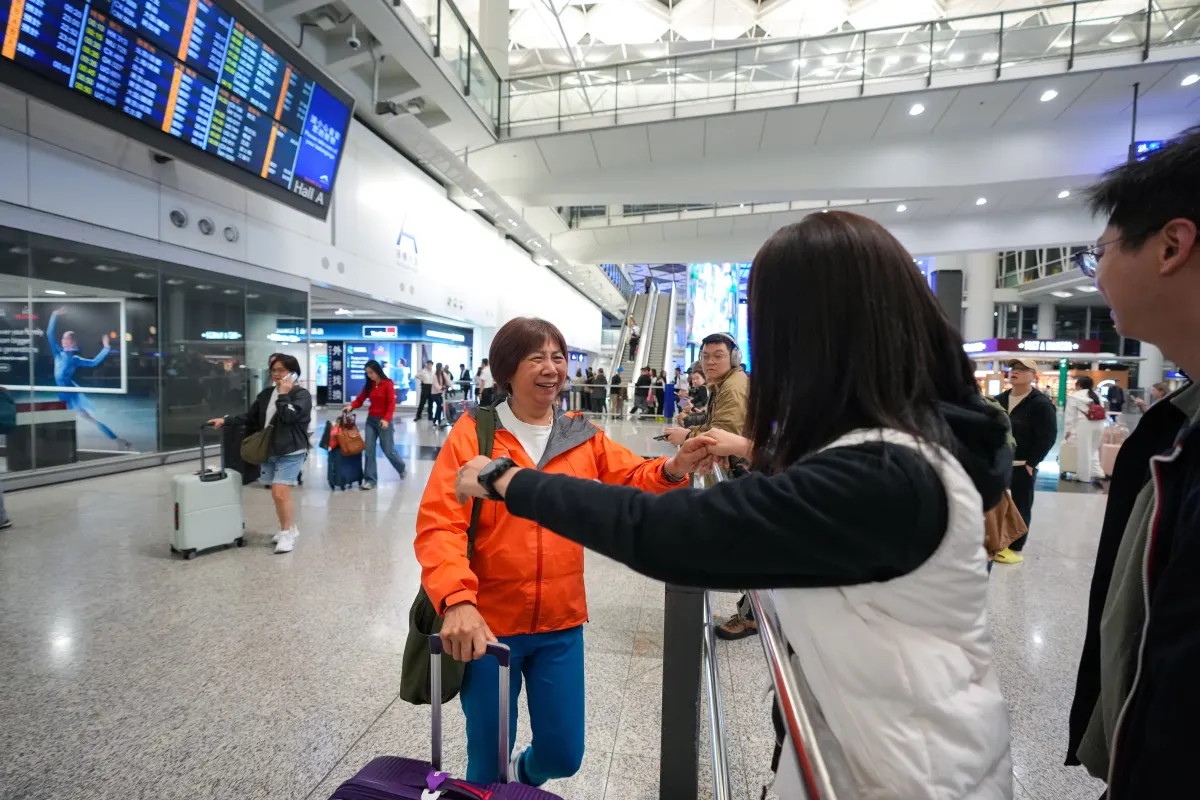
Geopolitical conflict in the Middle East grounds thousands of flights, stranding hundreds of Hong Kong residents and prompting government assistance efforts.
Key Takeaways
- •Grounds over 51,600 flights in the Middle East following the conflict's start on February 28, 2026.
- •Strands hundreds of Hong Kong residents, with the government fielding over 680 assistance requests.
- •Halts Cathay Pacific's Hong Kong-Dubai service until March 14, 2026.
- •Prompts Hong Kong authorities to double assistance hotline staff and coordinate repatriation efforts.
Widespread airspace closures and flight cancellations are causing significant travel disruption across the Middle East following an escalation of hostilities that began on February 28, 2026. The conflict has stranded hundreds of Hong Kong residents and prompted a coordinated response from the government and airlines. According to data from Cirium Ltd., more than half of the 51,600 flights scheduled to or from the region since the conflict's start have been cancelled, highlighting the severe impact of geopolitical risk in aviation.
The sudden disruption has plunged regional airspace into chaos, affecting major international hubs and forcing carriers to implement emergency measures. For Hong Kong, a key global aviation hub, the effects have been immediate. Hundreds of its travelers are facing cancelled bookings, prolonged uncertainty, and a surge in airfare prices as they attempt to secure passage home amid the widespread travel disruption.
Regional Airspace Disruption
The conflict, which began with US-Israeli air strikes against Iran, has led to airspace being closed or restricted over Iran, Iraq, Israel, UAE, Qatar, Bahrain, Kuwait, and Saudi Arabia. This has forced a cascade of flight cancellations and rerouting by global airlines. Carriers including Lufthansa and KLM suspended services to regional hubs, while others implemented lengthy detours to avoid the conflict zone. These diversions increase flight times and operational costs, a situation exacerbated by a more than 10% jump in oil prices, which directly impacts the cost of tickets.
Impact on Hong Kong Travelers
The Hong Kong government has been actively tracking the number of affected citizens. As of March 5, the Immigration Department had received enquiries from about 680 Hongkongers in the Middle East. Of those, around 100 had managed to depart the region safely. The figures illustrate the scale of the challenge facing travelers, many of whom have experienced multiple cancellations.
Cathay Pacific Airways, Hong Kong's flag carrier, has cancelled all flights between the city and Dubai until March 14, 2026. The airline has implemented ticket waiver policies to provide flexibility for affected passengers. The financial strain on individuals is significant, with one stranded IT worker from Hong Kong reporting a willingness to pay between HK$20,000-40,000 (US$2,558-5,115) for a first-class ticket after five previous cancellations.
Government and Airline Response
Hong Kong authorities have mobilized to provide consular assistance. The Immigration Department has doubled the manpower of its '1868' assistance hotline to handle the increased volume of calls. According to a government spokesman, efforts are underway to reserve seats on weekend flights from Dubai, with hopes that Emirates will operate direct services to Hong Kong. These seats are being prioritized for residents with special needs.
Director of Immigration, Benson Kwok, visited the '1868' hotline center to encourage staff and underscore the government's commitment to helping stranded residents. The government is coordinating with Chinese diplomatic missions in the region to facilitate repatriation flights and provide on-the-ground support. Airlines are also adjusting policies in response to the crisis. In line with industry trends, carriers like Emirates and Etihad have joined Cathay Pacific in offering fee-free rebooking and refunds, as detailed on official channels like the Cathay Pacific Travel Alerts page.
As airlines navigate the complex airspace restrictions, neighboring regions have become crucial transit points. Oman, for example, has emerged as a temporary hub, with carriers like Qatar Airways reportedly operating relief flights from Muscat to help move stranded passengers out of the most affected areas.
Why This Matters
This event underscores the acute vulnerability of global aviation networks to geopolitical shocks. For a major hub like Hong Kong, such disruptions have immediate and severe consequences for its flag carrier, its residents, and its status as a reliable international transit point. The crisis serves as a critical test of government and airline crisis management capabilities, highlighting the necessity for robust communication, flexible policies, and coordinated consular assistance to ensure passenger safety and welfare during unforeseen regional conflicts.
For global airline trends and commercial aviation news, turn to omniflights.com. Stay informed on aviation incidents, investigations, and best practices in the Safety category at omniflights.com/safety.

Written by Ujjwal Sukhwani
Aviation News Editor & Industry Analyst delivering clear coverage for a worldwide audience. Covers flight operations, safety regulations, and market trends with expert analysis.
Visit ProfileYou Might Also Like

Southwest Reports Record Q3 Revenue Amid Transformation
American Airlines Reports Record Q3 Revenue Amid Fuel Costs
American Airlines Projects 2026 Loss on Rising Fuel Costs
American Airlines to Nearly Triple Premium 787-9 Fleet
Airline Shares Rise Following United Revenue Guidance