Mideast Airspace Closures to Cause Months of Global Travel Disruption

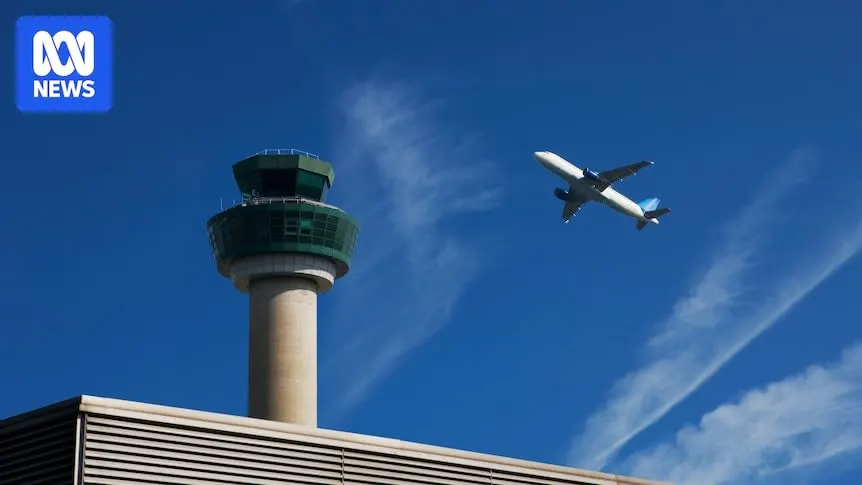
Middle East airspace closures will cause months of global flight delays, disrupting over 11,000 flights and creating a significant passenger backlog.
Key Takeaways
- •Disrupts over 11,000 flights globally, affecting more than one million travelers due to Middle East airspace closures.
- •Increases flight times on key Europe-Asia routes by one to three hours, raising airline operational costs.
- •Exposes the vulnerability of critical hubs like DXB, which handled a record 95.2 million passengers in 2025.
- •Compounded by record aircraft backlogs and an aging global fleet, which limits airline flexibility to recover.
Recent airspace closures in the Middle East will cause months of disruption to global air travel, creating a significant backlog that experts say the highly optimized international network cannot quickly absorb. The shutdown of critical air corridors led to the cancellation or disruption of more than 11,000 flights, affecting over one million travelers and forcing widespread, costly rerouting for major airlines.
The disruption's prolonged impact stems from the intricate and tightly scheduled nature of global aviation. When major hubs are affected, the ripple effects displace aircraft, flight crews, and passengers across continents. Clearing this backlog is not a simple matter of reopening airspace; it requires a complex, system-wide recalibration of schedules, crew rostering, and aircraft positioning that will take months to fully resolve.
Global Hubs Under Pressure
The closures placed immense strain on three of the world's most critical international transit hubs. According to a Dubai Airports announcement, Dubai International Airport (DXB) handled a record 95.2 million passengers in 2025, a 3.1% year-on-year increase. Its status as a 'super-connector' means disruptions there have an outsized global impact. The airport’s performance at maximum capacity was highlighted by CEO Paul Griffiths, who noted, "Record traffic is no longer an exception, but part of its operating reality."
Other key regional airports were similarly affected. Hamad International Airport Operator Statements show Hamad International Airport (DOH) in Doha served 54.3 million passengers in 2025. Meanwhile, Zayed International Airport (AUH) in Abu Dhabi handled a record 32.5 million passengers in the same year, a 12.8% annual increase, according to its operator. The simultaneous disruption at these three hubs paralyzed a central artery of global travel, particularly on high-volume routes between Europe, Asia, and Africa.
The Ripple Effect on Operations
Airlines immediately faced significant operational and financial consequences. Flight times on many Europe-Asia routes increased by one to three hours as carriers were forced into longer flight paths over Turkey, Egypt, or Central Asia to bypass the restricted zones. This increase in flight time directly translates to higher operational costs from increased fuel consumption and crew expenses.
These rerouting decisions are guided by official notices from national aviation authorities, such as the UAE's General Civil Aviation Authority (GCAA). Such restrictions are formally communicated through the Notice to Airmen (NOTAM) system, which alerts pilots and airline operations centers to potential hazards and closures. The sudden issuance of these NOTAMs left little time for carriers to implement contingency plans without causing widespread cancellations.
The disruption also severely tightened global air cargo capacity. A significant volume of freight, known as 'belly cargo', is transported in the hold of passenger aircraft. With thousands of passenger flights canceled, the availability of this capacity diminished, impacting global supply chains that rely on the speed of air transport.
Compounding Industry Headwinds
The Middle East disruption occurs at a time when the global aviation industry has limited resilience to absorb such shocks. According to the International Air Transport Association (IATA), the average global fleet age has climbed to 14.8 years, the highest on record. Simultaneously, the industry is grappling with a record aircraft order backlog of 17,000 units as of June 2025, with delivery delays running up to 30% below peak levels. This combination of an aging fleet and delayed new aircraft deliveries means airlines have less spare capacity to deploy to recover disrupted schedules.
In response, airlines are increasingly focused on operational resilience planning. However, the scale of the recent airspace closures has tested even robust contingency strategies, forcing a re-evaluation of how the industry manages geopolitical risk. The event also highlights the growing threat of electronic warfare, including GPS spoofing, which adds another layer of complexity for flights operating near conflict zones.
Why This Matters
This prolonged disruption underscores the inherent vulnerability of the global air transport network to regional geopolitical conflicts. For airlines, it represents a significant, unbudgeted increase in operational costs and revenue loss during a period of already thin margins and supply chain constraints. For passengers and cargo shippers, it signals a period of continued uncertainty, higher costs, and potential delays on key international routes for the foreseeable future.
Get breaking commercial aviation news and expert airline analysis at omniflights.com. Stay informed on aviation incidents, investigations, and best practices in the Safety category at omniflights.com/safety.

Written by Ujjwal Sukhwani
Aviation News Editor & Industry Analyst delivering clear coverage for a worldwide audience. Covers flight operations, safety regulations, and market trends with expert analysis.
Visit ProfileYou Might Also Like

Southwest Reports Record Q3 Revenue Amid Transformation
American Airlines Reports Record Q3 Revenue Amid Fuel Costs
American Airlines Projects 2026 Loss on Rising Fuel Costs
American Airlines to Nearly Triple Premium 787-9 Fleet

Airline Shares Rise Following United Revenue Guidance