Merlin Pilot Targets Part 25 Cargo with New AI System

Co-Founder & CEOAviation News Editor delivering trusted coverage across the global aviation industry.
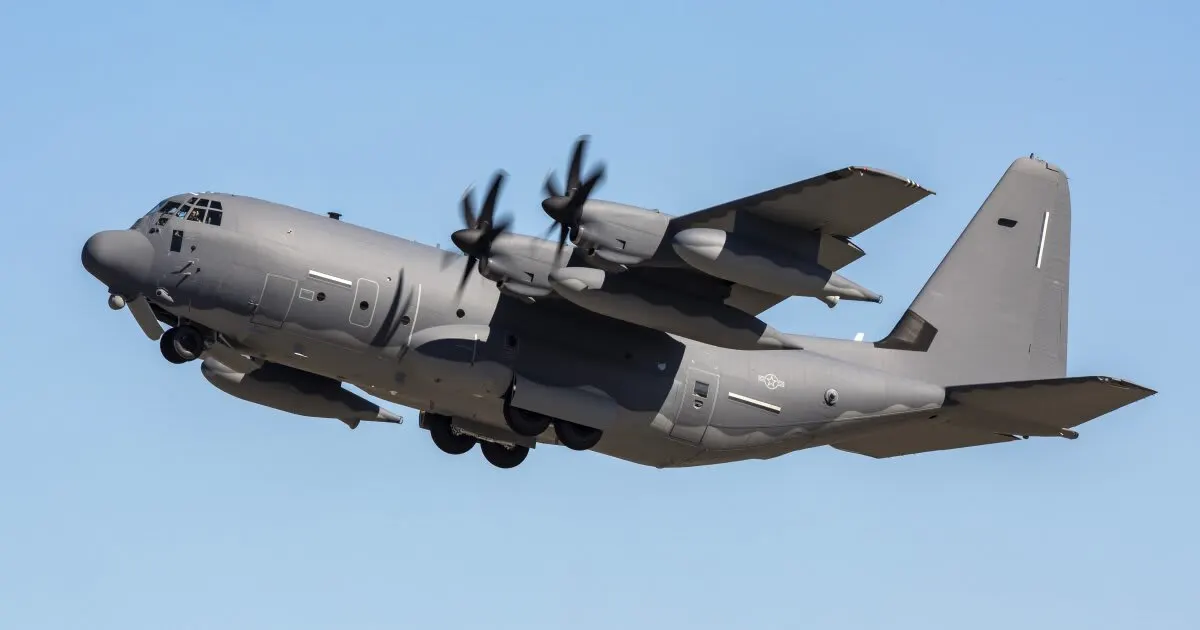
Merlin, Inc. has launched its Merlin Pilot autonomous system for heavy cargo aircraft to address global pilot shortages through reduced crew operations.
Key Takeaways
- •Merlin, Inc. launched the Condor system for Part 25 commercial cargo aircraft.
- •The system targets Reduced Crew Operations to mitigate global pilot shortages.
- •Merlin holds $183 million in cash to fund ongoing FAA certification efforts.
- •ALPA remains opposed to the technology, citing potential safety and labor risks.
Introduction
Merlin, Inc. has officially entered the heavy-lift market with the launch of its Merlin Pilot autonomous system, a product family designed to bring advanced AI-powered flight control to Part 25 commercial cargo aircraft. The company, which went public via a special purpose acquisition company in March 2026, is positioning its new 'Condor' product line as a pragmatic solution to the industry's deepening pilot deficit. By focusing on Reduced Crew Operations (RCO), the firm aims to assist human pilots rather than replace them immediately, navigating a cautious path toward full autonomy.
Industry Context and Strategic Approach
According to the Boeing Commercial Market Outlook, the global freighter fleet is projected to grow from approximately 2,340 aircraft to nearly 3,900 over the next 20 years. To support this, Boeing forecasts a demand for 2,800 new or converted large cargo aircraft. Merlin’s strategy leverages this trend by retrofitting existing airframes with its Merlin Pilot autonomous system rather than designing clean-sheet autonomous drones. This approach, supported by $183 million in total cash reserves following a recent $80 million private investment in public equity, allows the company to capitalize on the existing freighter conversion market.
Regulatory and Technical Hurdles
Achieving the FAA Supplemental Type Certificate (STC) for Part 25 transport-category aircraft remains the primary regulatory hurdle for the company. Merlin has already made progress by securing a Technical Standard Order authorization for its custom Remote Data Concentrator (RDC), which digitizes analog sensor data for flight control computers. Internationally, the Civil Aviation Authority of New Zealand has completed a Stage of Involvement 2 review for the company's software under DO-178 standards, covering half of the required data for its flight control computer.
Stakeholder Impact and Opposition
While cargo operators and freight lessors view the technology as a means to increase aircraft utilization, the Air Line Pilots Association (ALPA) remains a vocal opponent. The union argues that Reduced Crew Operations degrade safety by removing a critical layer of human redundancy. According to ALPA, the shift toward autonomous systems threatens job security and could pressure pilot wages. Conversely, the military sector—specifically the United States Special Operations Command (USSOCOM)—is actively testing the technology on the C-130J Hercules to reduce human risk in contested environments.
Technical Analysis
The development of the Merlin Pilot represents a maturation of the autonomous flight sector. Historically, projects like the Airbus ATTOL (Autonomous Taxi, Takeoff, and Landing) project in 2020 and Xwing’s gate-to-gate cargo flights proved that machine vision and AI could manage large aircraft. Merlin is now accelerating this trajectory by moving from experimental testing to commercial certification. The data suggests that the industry is transitioning from 'what is possible' to 'what is certifiable.' By targeting RCO, Merlin is aligning its roadmap with regulatory cycles that prioritize safety and human-in-the-loop oversight. This trajectory suggests that autonomous systems will likely enter commercial cargo service as 'co-pilots' long before they operate as fully uncrewed freighters.
What Comes Next
Merlin’s roadmap is defined by several key milestones. The company is expected to reach a Critical Design Review for its C-130J autonomy program by late 2026 or 2027. Following this, the company anticipates securing its first FAA Supplemental Type Certificate for a Part 25 commercial cargo aircraft between 2027 and 2028. These milestones will be critical in determining whether the technology can scale across the broader global freighter fleet.
Why This Matters
This development signals a fundamental shift in how the aviation industry addresses labor and operational efficiency. If successful, the integration of AI-powered flight systems into heavy freighters could redefine the economics of air cargo, providing a scalable answer to the structural pilot shortage. For the broader aviation ecosystem, the certification process will establish a new regulatory precedent for human-machine interaction in the flight deck.
Frequently Asked Questions
- What is the primary goal of the Merlin Pilot autonomous system?
- The system aims to implement Reduced Crew Operations in heavy commercial cargo aircraft to address global pilot shortages. It works alongside human pilots to assist with flight control tasks.
- Why does the Air Line Pilots Association oppose Merlin's technology?
- The union argues that reducing crew sizes removes a critical layer of operational redundancy. They are concerned that these systems could degrade safety and lead to job displacement for commercial pilots.
Access up-to-date commercial aviation news and airline industry developments via omniflights.com. From aircraft production to supply chains, commercial aviation manufacturing news is covered at omniflights.com/manufacturing.

Written by Hardik Vishwakarma
Co-Founder & Aviation News Editor leading initiatives that improve trust and visibility across the global aviation industry. Covers airlines, airports, safety, and emerging technology.
Visit ProfileYou Might Also Like
Discover more aviation news based on similar topics
Autonomous Fixed-Wing Aircraft Development Gains Momentum
Start-ups are advancing autonomous fixed-wing aircraft for agricultural and cargo tasks, aiming to prove safety before pursuing passenger operations.

Boeing 787-9 Completes Short Inlet Tests in Montana
Boeing completed 52 hours of flight tests on a 787-9 with an experimental 30% shorter engine inlet to evaluate noise and fuel efficiency.
Airbus A321neo to Test Folding Wings of Tomorrow Project
Airbus launched a three-year flight-test campaign using an A321neo to evaluate folding wings that extend up to five meters.
Voyageur Orders Canada's First Airbus U030 Flexrotor
Voyageur Aviation ordered Canada's first Airbus U030 Flexrotor, a 25 kg tactical drone, to expand its maritime and Arctic surveillance capabilities.
LATAM Selects SES Multi-Orbit Wi-Fi for 60+ New Jets
LATAM Airlines signed a multi-year deal with SES to equip more than 60 incoming Airbus and Embraer aircraft with multi-orbit satellite Wi-Fi.
Lufthansa 787-9 Tests Tech to Cut Fuel and Noise
Boeing, Lufthansa, and Rolls-Royce partnered to test emissions-reducing technologies on a 787-9, targeting a 20% fuel efficiency improvement.