DXB Resumes Full Operations as UAE Lifts Restrictions

Co-Founder & CEOAviation News Editor delivering trusted coverage across the global aviation industry.
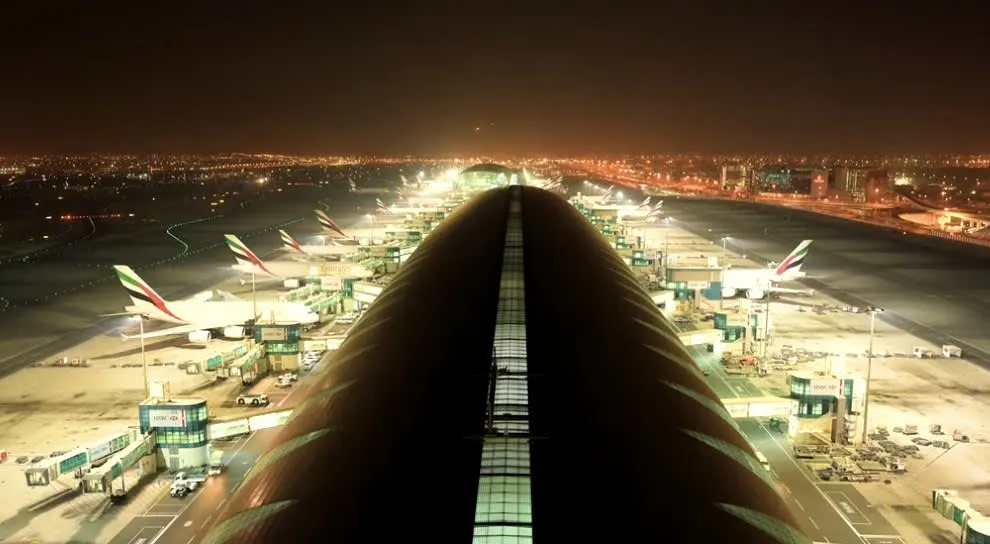
Dubai International Airport (DXB) has resumed full operations after the UAE lifted airspace restrictions that caused a 20.5% drop in Q1 traffic.
Key Takeaways
- •DXB resumed full operations after UAE lifted airspace restrictions.
- •Passenger traffic dropped 20.5% in Q1 2026 due to the disruptions.
- •Foreign airlines were capped at one daily flight until May 31, 2026.
- •Emirates restored 96% of its global network by early May.
Operations at Dubai International Airport (DXB) have returned to normal, with the hub resuming its full flight schedule on May 9, 2026. The restoration of normal Dubai International Airport operations follows a decision by the UAE's General Civil Aviation Authority (GCAA) to lift precautionary airspace measures that were in place for several months due to regional geopolitical tensions. These UAE airspace restrictions lifted a period of significant Middle East aviation disruptions that impacted global travel corridors.
The disruption had a measurable impact on the world's busiest international airport. According to the Dubai Airports Q1 2026 Traffic Report, passenger traffic in the first quarter of 2026 fell by 20.5% to 18.6 million, down from 23.4 million during the same period in 2025. To manage capacity under the constrained conditions, Dubai Airports implemented a temporary cap, limiting foreign airlines to a single daily flight rotation from April 20 until May 31, 2026. This measure, while necessary for operational stability, significantly reduced international capacity and altered the competitive landscape.
Operational and Financial Impact
Throughout the disruption, which spanned from late February to the end of April 2026, DXB and its secondary hub, Al Maktoum International Airport (DWC), collectively handled over 6 million passengers and 32,000 aircraft movements. The figures underscore the hub's critical role in global aviation even while operating under severe constraints. Paul Griffiths, CEO of Dubai Airports, commented on the challenge, stating, "The extraordinary events of the past few weeks are unprecedented for any major airport hub such as DXB. Maintaining the smooth operation of DXB is therefore critical to keep global journeys moving."
Despite the downturn in early 2026, DXB entered the year from a position of strength. Data from the Airports Council International (ACI) confirmed that DXB handled 95.2 million passengers in 2025, retaining its title as the world's busiest airport for international passenger traffic. The rapid resumption of services aims to recapture this momentum and restore passenger confidence in the Dubai hub as a primary transit point between Europe and Asia.
Airline and Network Recovery
The restrictions disproportionately affected foreign carriers. Airlines such as Air India, Lufthansa, and British Airways saw their capacity slashed, with some losing up to 95% of their planned flights to Dubai. In contrast, UAE-based home carriers Emirates and flydubai were exempt from the one-flight-per-day cap. This exemption allowed them to maintain a higher degree of network connectivity and capture market share from competitors. The Federation of Indian Airlines (FIA) formally noted the disparity, arguing the policy created an unfair competitive advantage for the home carriers.
Emirates, the airport's largest tenant, has moved swiftly to restore its network. According to the Emirates Media Centre, the airline had restored 96% of its global network by early May 2026. This includes service to 137 destinations with over 1,300 weekly flights, signaling a robust recovery and readiness to accommodate the returning passenger demand.
Geopolitical Context and Historical Precedents
The situation at DXB is not without precedent in modern aviation. The 2022 Russia-Ukraine airspace closures similarly forced widespread rerouting of long-haul flights between Europe and Asia, leading to increased flight times and higher fuel burn. Likewise, the 2017 Qatar diplomatic crisis saw a blockade of Qatari airspace by neighboring countries, which severely disrupted Qatar Airways' operations and forced costly network adjustments.
These historical events demonstrate the vulnerability of major aviation corridors to geopolitical shocks. The disruption at DXB reinforced an emerging industry trend where some carriers, such as Singapore Airlines and Cathay Pacific, have been expanding direct long-haul capacity to bypass traditional Middle Eastern hubs, offering passengers routes less susceptible to regional instability.
Technical Analysis
The rapid recovery of Dubai International Airport operations demonstrates the resilience of its hub-and-spoke model and the strategic importance of its home carriers in maintaining network integrity during a crisis. However, the event also serves as a critical stress test, revealing the hub's primary vulnerability: regional geopolitical instability. The capacity caps, while a pragmatic solution for air traffic management, created a temporary but significant market distortion favoring national airlines. This could influence future bilateral air service agreements, as foreign governments may seek assurances against similar imbalances in future crises. The trend of bypassing Middle Eastern hubs, while still nascent, could accelerate if such disruptions become more frequent, forcing Gulf carriers and airports to further emphasize reliability and operational stability as a core competitive advantage.
What Comes Next
The most immediate milestone for a full market normalization is the confirmed expiration of the one-flight-per-day cap for foreign airlines on May 31, 2026. This will allow international carriers to begin rebuilding their schedules to Dubai for the peak summer travel season. The UAE's General Civil Aviation Authority (GCAA) will continue to monitor the regional situation to ensure the long-term safety of its airspace.
Looking further ahead, Dubai Airports continues with its long-term strategic plan to transition all operations to the expansive Al Maktoum International Airport (DWC). This move is currently expected to be completed by 2032 and is designed to accommodate future growth far beyond the physical constraints of DXB.
Why This Matters
The swift return to full capacity at DXB is crucial for stabilizing the global aviation network, particularly the vital Europe-Asia travel corridor. This episode serves as a powerful case study in crisis management for a mega-hub, highlighting the complex interplay between airport operations, regulatory bodies, and airline interests during a geopolitical conflict. For the industry, it underscores the increasing importance of route diversification and the strategic risks associated with heavy reliance on a single transit region.
Frequently Asked Questions
- Why were flights at Dubai International Airport restricted in early 2026?
- Flights at Dubai International Airport (DXB) were restricted due to precautionary airspace measures imposed by the UAE's General Civil Aviation Authority (GCAA) in response to regional geopolitical tensions. These measures were designed to ensure operational safety but led to significant flight disruptions.
- How much did passenger traffic at DXB drop during the crisis?
- During the first quarter of 2026, passenger traffic at Dubai International Airport fell by 20.5% compared to the same period in 2025. The airport handled 18.6 million passengers in Q1 2026, down from 23.4 million the previous year.
- Were all airlines affected equally by the DXB flight caps?
- No, the flight caps did not affect all airlines equally. Foreign airlines were limited to a single daily flight, severely reducing their capacity. However, UAE-based home carriers like Emirates and flydubai were exempt from this cap, allowing them to maintain more of their schedule.
For in-depth airline coverage and commercial aviation news, omniflights.com delivers timely industry insights. From aircraft production to supply chains, commercial aviation manufacturing news is covered at omniflights.com/manufacturing.
Written by Hardik Vishwakarma
Co-Founder & Aviation News Editor leading initiatives that improve trust and visibility across the global aviation industry. Covers airlines, airports, safety, and emerging technology.
Visit ProfileYou Might Also Like
Discover more aviation news based on similar topics
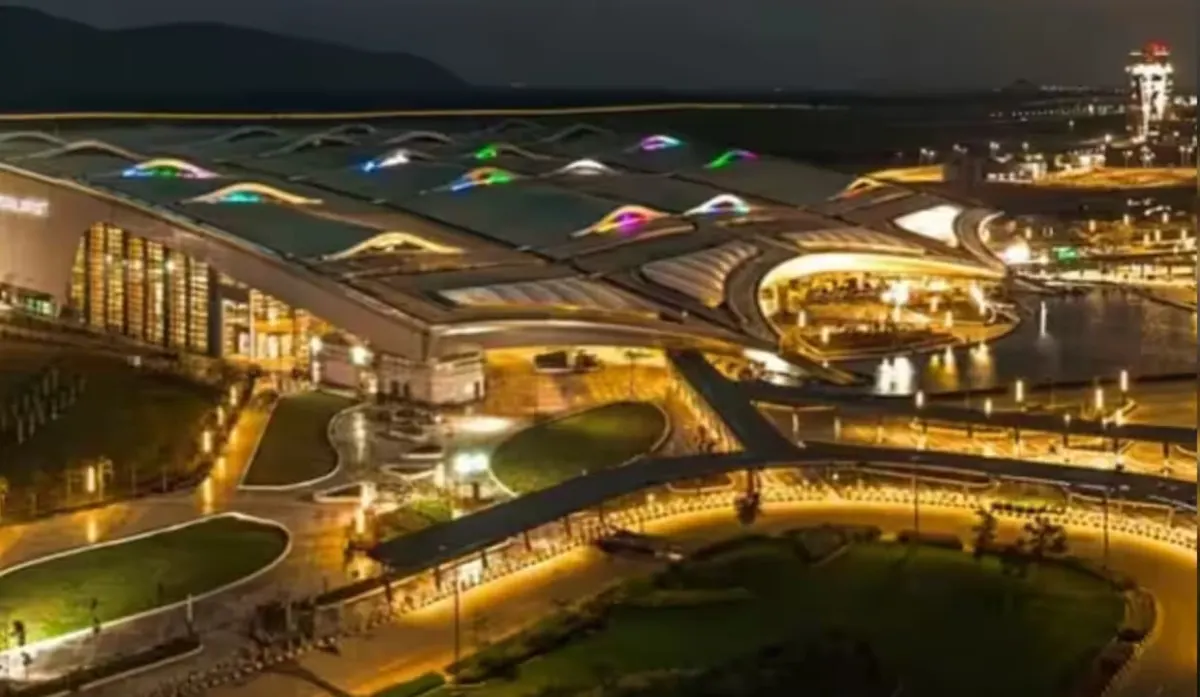
IndiGo Opens Commercial Flights at Bhogapuram
IndiGo launched the first commercial flight to the new Rs 5,700 crore Bhogapuram Airport, shifting civilian traffic from the old civil enclave.

Sydney Airport Master Plan 2045 Approved
The Australian government approved Sydney Airport's Master Plan 2045, enabling terminal integration to handle 72.6 million passengers by 2045.

Visakhapatnam Airport Ends Commercial Flights for 30 Years
Visakhapatnam Airport ended scheduled commercial flights ahead of Bhogapuram's opening, triggering a 30-year moratorium on civil operations.
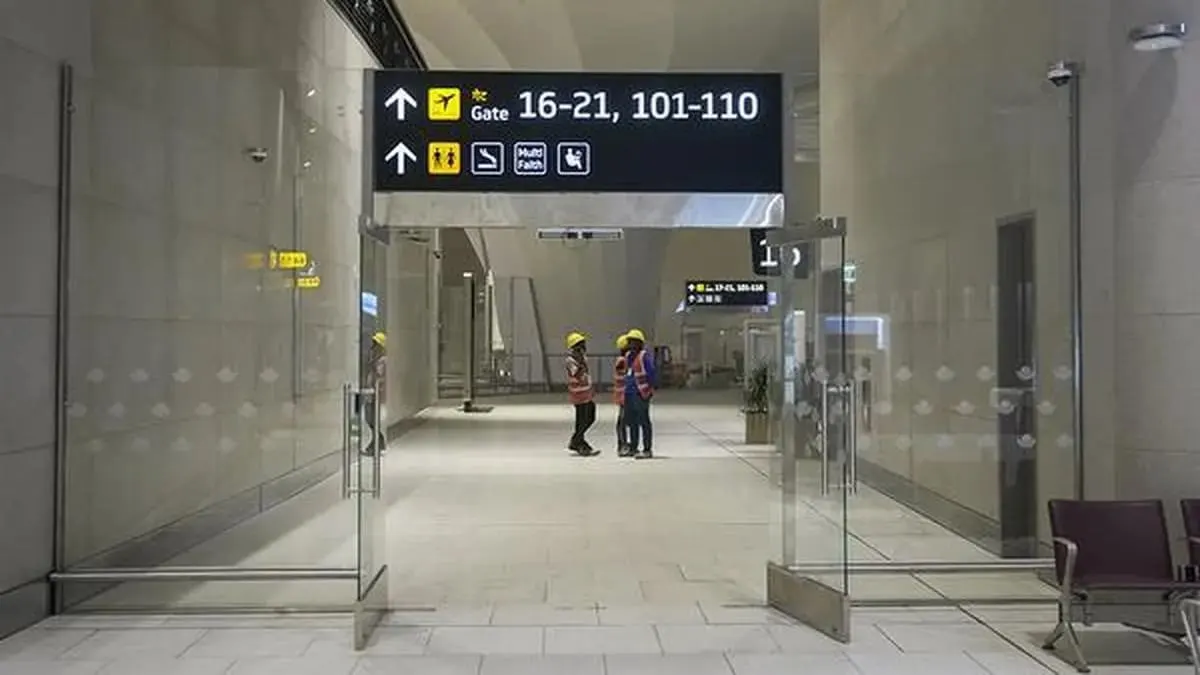
NMIA Approves 13 Airlines for Cargo Operations
NMIA has approved 13 international airlines to launch freighter flights, accelerating Mumbai's transition to a dual-airport cargo system.

Hong Kong Air Cargo Lands First Navi Mumbai Freighter
Hong Kong Air Cargo launched flights to Navi Mumbai, marking the airport's first international freighter service with 6 weekly movements.

ENAC Suspends Catania Flights Amid Mount Etna Eruption
ENAC suspended operations at Catania Airport due to a Mount Etna eruption, resulting in 700 flight cancellations and massive regional diversions.