Lufthansa Group Sells 23 CRJ-900s and Phases Out A220s

Aviation News Editor & Industry AnalystAviation News Editor & Industry Analyst delivering clear coverage for a worldwide audience.

Lufthansa Group is restructuring its regional fleet by selling 23 CRJ-900s and retiring Swiss International Air Lines' nine Airbus A220-100s.
Key Takeaways
- •Lufthansa Group puts 23 CRJ-900 regional jets up for sale.
- •SWISS will retire all nine Airbus A220-100s by the end of 2027.
- •SWISS dismantles two A220-100s to harvest spare parts for A220-300s.
- •Restructuring targets a 180 million euro annual earnings improvement.
Lufthansa Group CEO Carsten Spohr has announced a major Lufthansa Group fleet restructuring, which includes a CRJ-900 aircraft sale and the SWISS A220-100 retirement driven by the ongoing Pratt & Whitney GTF shortage. According to the group's Q2 2026 earnings presentation, the company is putting all 23 of its Canadair Regional Jet (CRJ) CRJ-900 regional aircraft up for sale. This fleet realignment follows the closure of subsidiary Lufthansa CityLine in April 2026 and will see Swiss International Air Lines (SWISS) phase out its nine Airbus A220-100 aircraft by the end of 2027.
This restructuring represents a significant shift in the group's feeder network strategy, moving away from smaller regional variants to optimize unit costs and manage severe engine maintenance bottlenecks. By removing these smaller platforms, Lufthansa Group aims to streamline its regional operations, shift capacity to larger narrowbody aircraft, and mitigate the operational disruptions caused by long-term engine groundings. The operational consolidation is expected to yield an annual earnings improvement of €180 million, according to executive commentary during the earnings call.
Fleet Realignment and the Pratt & Whitney Engine Crisis
The decision to sell the 23 CRJ-900s marks the end of the aircraft type's era within the group, following the formal closure of Lufthansa CityLine. The group is shifting its regional feeder traffic in Germany to the newly established Lufthansa City Airlines, which operates larger narrowbody aircraft.
Meanwhile, the retirement of the nine Airbus A220-100s at SWISS highlights the severe impact of the Pratt & Whitney (RTX) PW1500G Geared Turbofan (GTF) engine supply crisis. SWISS has already begun the aircraft cannibalization of two active A220-100s to secure critical spare parts. These parts will support the carrier's larger sub-fleet of 21 Airbus A220-300 operations. According to a SWISS spokesperson, dismantling these younger aircraft is a necessary measure to guarantee the operational reliability of the remaining fleet amid extreme maintenance, repair, and overhaul (MRO) turnaround delays.
The engine issues are exacerbated by regulatory directives. The Federal Aviation Administration (FAA) Airworthiness Directive (AD) 2024-06-04 and the European Union Aviation Safety Agency (EASA) equivalent mandate accelerated ultrasonic inspections and replacements of high-pressure turbine and compressor disks on PW1500G engines. These requirements have significantly increased the number of grounded aircraft across the global regional jet market.
Stakeholder and Labor Implications
The restructuring carries high-severity impacts for multiple stakeholder groups. For Pratt & Whitney, the decision by a premier European carrier to cannibalize active aircraft underscores the intense pressure on the engine manufacturer's supply chain and MRO capacity. For Lufthansa CityLine Employees, the closure of the subsidiary and the sale of the CRJ-900 fleet requires flight crews and maintenance staff to transition to Lufthansa City Airlines or other group entities, a process that has drawn criticism from labor unions.
The transition has not been without friction. The German pilot union Vereinigung Cockpit (VC) has argued that the closure of Lufthansa CityLine and the subsequent shift to Lufthansa City Airlines is primarily a tactical maneuver to lower labor costs and bypass existing collective bargaining agreements, rather than a purely operational fleet optimization strategy. For Regional Aircraft Lessors and Buyers, the sudden influx of 23 CRJ-900s on the secondary market may temporarily depress asset valuations, though United States-based regional carriers are viewed as potential buyers.
Industry Trends and Fleet Comparisons
The phase-out of 90-to-110-seat aircraft reflects a broader industry trend of regional fleet upgauging. Legacy carriers are increasingly abandoning smaller regional platforms to combat pilot shortages and improve per-seat economics.
This strategy mirrors historical precedents. In 2021, American Airlines retired its Embraer E140 fleet, phasing out its smallest 44-seat regional jets to consolidate operations around larger Embraer E175s and CRJ-900s. Similarly, between 2020 and 2023, Delta Air Lines accelerated the retirement of its 50-seat CRJ-200 fleet and Boeing 717s to focus on larger, more efficient narrowbodies.
The technical shift between the sub-fleets is illustrated by the differences in capacity and dimensions.
Airbus A220-100 vs. Airbus A220-300: Key Specifications
| Metric | Airbus A220-100 | Airbus A220-300 |
|---|---|---|
| Passenger Capacity | 100-120 | 120-150 |
| Range | 3,450 nm | 3,400 nm |
| Length | 35.00 m | 38.70 m |
Bombardier CRJ-900 vs. Embraer E175-E2: Key Specifications
| Metric | Bombardier CRJ-900 | Embraer E175-E2 |
|---|---|---|
| Passenger Capacity | 76-90 | 80-90 |
| Range | 1,550 nm | 2,000 nm |
The Supply Chain Economics of Engine Cannibalization
The retirement and cannibalization of SWISS's A220-100 fleet represents an extraordinary escalation in how airlines manage systemic supply chain failures. Historically, commercial aircraft are kept in service for 20 to 25 years before retirement or parting out. Dismantling aircraft that are less than ten years old to harvest engine components demonstrates that the opportunity cost of grounding the larger, more efficient A220-300 fleet far outweighs the residual book value of the smaller A220-100 variant. This development indicates that the aerospace supply chain crisis has transitioned from a temporary delivery delay into a structural force reshaping airline fleet compositions. As long as Pratt & Whitney GTF maintenance turnarounds remain measured in months rather than weeks, airlines will likely continue to sacrifice sub-fleet diversity to preserve core network capacity.
SWISS Fleet Retirement and A350 Delivery Timelines
The restructuring process will unfold over several key milestones:
- Second half of 2026: Lufthansa Group is confirmed to receive its first Airbus A350-1000 aircraft, which will support long-haul expansion and fleet modernization.
- End of 2027: SWISS is expected to complete the final phase-out and retirement of its remaining Airbus A220-100 fleet.
- Ongoing: Negotiations for the sale of the 23 CRJ-900 aircraft will continue, with Carsten Spohr confirming that Lufthansa Group is actively engaged with several interested buyers in the secondary market.
Why Regional Restructuring Signals Broader Industry Shifts
For the aviation industry, Lufthansa Group's decisive fleet cuts signal that the era of the small regional jet is drawing to a close at major European hub carriers. The transition to larger, single-aisle platforms like the A220-300 and A320neo family allows airlines to maximize slot efficiency at congested hubs while offsetting rising labor and fuel costs. Ultimately, this restructuring demonstrates that operational reliability and simplified fleet logistics now take precedence over the fine-tuned capacity matching once offered by small regional sub-fleets.
Frequently Asked Questions
- Why is SWISS retiring its Airbus A220-100 fleet?
- SWISS is retiring its nine Airbus A220-100s by the end of 2027 due to severe Pratt & Whitney GTF engine shortages. The airline is cannibalizing some of these aircraft to secure spare parts for its larger Airbus A220-300 fleet.
- What is happening to the Lufthansa CityLine CRJ-900 aircraft?
- Lufthansa Group is selling all 23 of its CRJ-900 regional jets following the closure of Lufthansa CityLine. Feeder traffic is transitioning to the newly established Lufthansa City Airlines.
- How does the Pratt & Whitney engine shortage affect SWISS?
- The shortage has forced SWISS to park and dismantle two of its younger A220-100 aircraft. The harvested engine components are being used to maintain the operational reliability of its 21 larger A220-300 aircraft.
From airline operations to fleet updates, commercial aviation news lives at omniflights.com. From aircraft production to supply chains, commercial aviation manufacturing news is covered at omniflights.com/manufacturing.
Written by Ujjwal Sukhwani
Aviation News Editor & Industry Analyst delivering clear coverage for a worldwide audience. Covers flight operations, safety regulations, and market trends with expert analysis.
Visit ProfileYou Might Also Like
Discover more aviation news based on similar topics
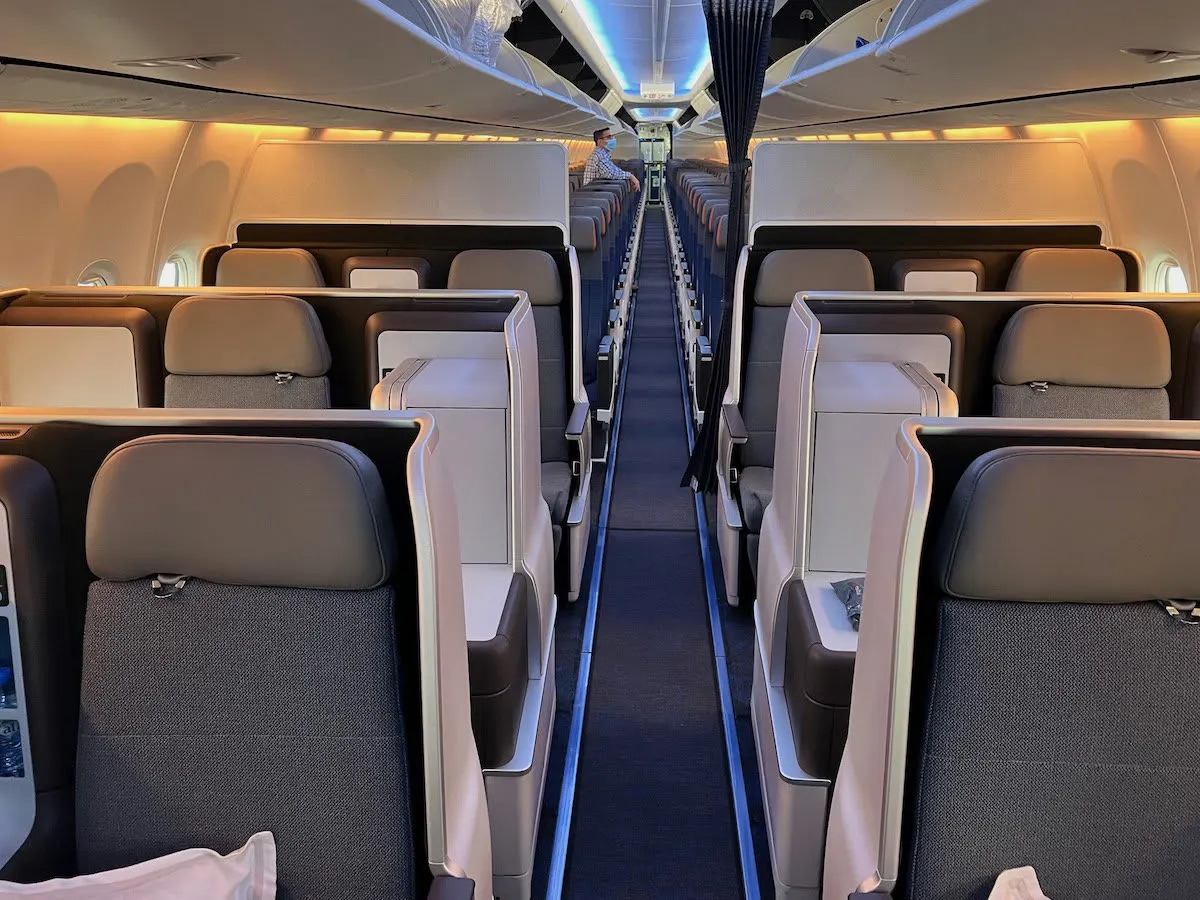
Flydubai Upgrading 21 Boeing 737 MAX 8s to Flat Bed Seats
Flydubai is retrofitting 21 Boeing 737 MAX 8 aircraft with lie-flat business class seats to standardize its premium product by late 2027.
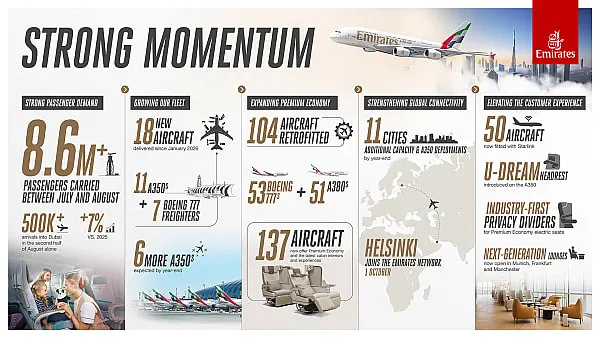
Emirates Winter Booking Momentum Grows Amid Fleet Expansion
Emirates carried 8.6 million passengers this summer and enters winter with strong demand as it accelerates fleet retrofits and network growth.
Air Arabia Consortium Gains AOC for New Dammam Budget Airline
A Saudi GACA-led consortium including Air Arabia has secured an AOC to launch a new budget airline based at Dammam's King Fahd International Airport.
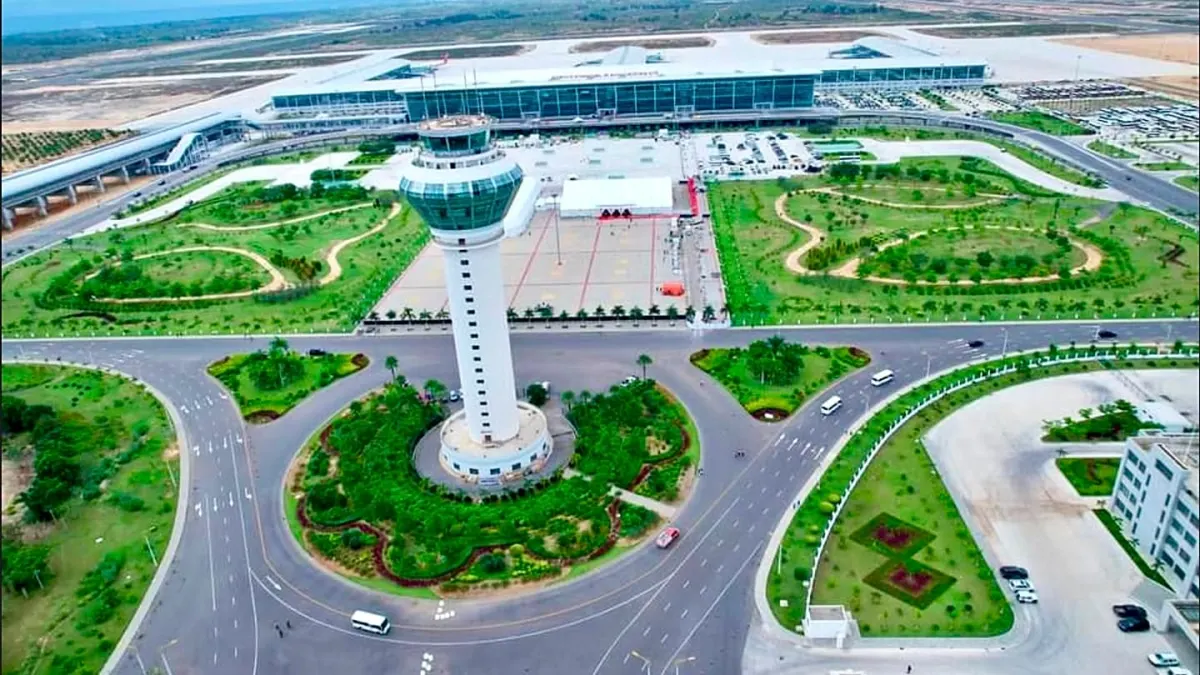
Turkish Airlines Exits Luanda as Angola Hub Struggles
Turkish Airlines dropped its Luanda route as Angola's new airport struggles to attract traffic, handling only 756,028 passengers in 2025.

Red Sea Airlines Leases Two 737 MAX 8s for 2027 Expansion
Red Sea Airlines signed a lease for two Boeing 737 MAX 8 aircraft from SMBC Aviation Capital, arriving in 2027 to support its 14-aircraft fleet goal.
Avelo CEO Warns Airfares May Rise on Jet Fuel Price Spikes
Avelo Airlines CEO Andrew Levy warns that rising fuel costs may force fare increases as global jet fuel prices reach $171.01 per barrel.