Boeing Deliveries Fall 17% in July to 53 Aircraft

Co-Founder & CTOCo-Founder & CTO driving the technology and data systems behind Omni Flights.

Boeing delivered 53 commercial jets in July, representing a 17% drop from June as Airbus maintained its delivery lead with 67 aircraft.
Key Takeaways
- •Boeing delivered 53 commercial jets in July 2026, a 17% drop from June.
- •Airbus delivered 67 aircraft in July, maintaining its year-to-date lead.
- •Narrowbody 737 MAX jets made up nearly 75% of Boeing's July deliveries.
- •Boeing secured 30 net new orders in July after factoring in cancellations.
Commercial aircraft manufacturer Boeing reported a drop in its monthly output, as Boeing jet deliveries fell 17% in July 2026 compared to the previous month. The US planemaker handed over 53 commercial jets during the month, down from 64 in June, even as it worked to stabilize its 737 MAX production line. Meanwhile, European rival Airbus extended its lead by delivering 67 Airbus commercial aircraft in July, capitalizing on strong momentum from recent Farnborough Airshow orders.
The delivery slowdown highlights the ongoing operational challenges facing Boeing as it navigates regulatory oversight and supply chain constraints. While the month-over-month decline represents a near-term setback for revenue recognition, the July total still marks a year-over-year improvement. For airlines awaiting new aircraft, these fluctuating delivery rates complicate fleet planning and route network expansion, forcing carriers to adjust capacity expectations for upcoming travel seasons.
Delivery Breakdowns and Order Activity
According to Boeing official delivery data, the company's July 2026 deliveries of 53 commercial jets represent an approximate 10% increase compared to July 2025, when the manufacturer handed over 48 aircraft. However, the drop from June's 64 jets underscores the volatility in the company's manufacturing recovery. Narrowbody aircraft continued to dominate Boeing's output, with the 737 MAX accounting for nearly 75% of July deliveries, representing 39 of the 53 total jets.
On the commercial side, Boeing secured 30 net new aircraft orders in July 2026, which factored in 38 gross orders and 8 cancellations. Through the first seven months of the year, Boeing's year-to-date deliveries reached 367 aircraft.
In comparison, European competitor Airbus maintained its market lead. The Airbus orders and deliveries portal confirms that the manufacturer delivered 67 commercial aircraft in July 2026. This performance brought Airbus's year-to-date deliveries to 418 aircraft, widening its delivery lead over Boeing to 51 units. Furthermore, Airbus's year-to-date gross orders reached 1,090 by the end of July, driven by major commitments from global leasing firms and airlines.
To support this aggressive growth, Airbus Chief Executive Officer Guillaume Faury noted that the company's positive financial performance reflects the higher level of commercial aircraft deliveries. Faury stated that the manufacturer is ramping up across all businesses to meet growing demand, emphasizing that a focus on steady execution is paying off.
Historical Delivery Trends and Market Share Shifts
The current delivery dynamics reflect long-term structural shifts in the global aerospace sector. In 2019, Airbus surpassed Boeing as the world's largest aircraft manufacturer following the global grounding of the 737 MAX fleet. That historical shift resulted in a multi-year lead for Airbus in annual deliveries—a pattern that supports the current situation, as Airbus continues to outpace Boeing in year-to-date volume.
Furthermore, Boeing's ongoing recovery efforts are heavily influenced by the 2019-2020 production halt. That precedent led to a highly scrutinized regulatory environment, which continues to limit the speed at which Boeing can ramp up its narrowbody assembly lines.
While financial analysts from firms such as Argus Research suggest that the year-over-year increase indicates Boeing's long-term production recovery remains intact, the immediate impact of inconsistent delivery rates is felt across multiple stakeholder groups. For Boeing Commercial Airplanes, the 17% month-over-month drop delays cash flow generation. For the broader aerospace supply chain, including tier-one suppliers, these fluctuating assembly rates disrupt manufacturing rhythms and inventory management.
The Narrowbody Production Recovery Curve
The delivery data from July 2026 illustrates the structural challenges inherent in modern commercial aerospace manufacturing. Boeing's heavy reliance on the 737 MAX—which comprised nearly three-quarters of its July output—means that any disruption in narrowbody assembly immediately impacts overall corporate performance. This development indicates that Boeing remains in a transition phase, attempting to balance regulatory compliance with aggressive production targets. Historically, similar supply chain and regulatory pressures have led to prolonged recovery curves, as manufacturers must certify new processes while managing parts shortages. The current data suggests that while the floor of Boeing's production has risen compared to last year, achieving a stable, high-rate output remains a complex operational challenge.
Production Milestones and Certification Timelines
Several key milestones will dictate the production trajectory for both manufacturers in the coming months. The FAA (Federal Aviation Administration) certified the Boeing 737 MAX 7 in early August 2026, clearing a major regulatory hurdle. This approval is expected to eventually pave the way for the first deliveries of the variant in 2027, bolstering Boeing's overall delivery numbers.
Additionally, Boeing is working toward an expected 737 MAX production rate target of 42 aircraft per month by late 2026. The next major data point will arrive in early September 2026, when both Boeing and Airbus are expected to release their commercial aircraft orders and deliveries reports for August.
The Revenue and Capacity Impact
For the global aviation industry, the delivery gap between the two major manufacturers highlights the shifting balance of power in the narrowbody market. As Airbus continues to deliver more aircraft, it secures a larger share of global airline fleets, while Boeing's delivery volatility forces carrier customers to adjust their capacity plans. Ultimately, the pace of these deliveries will dictate how quickly airlines can retire older, less fuel-efficient aircraft to meet both financial and environmental targets.
Frequently Asked Questions
- How many aircraft did Boeing deliver in July 2026?
- Boeing delivered 53 commercial jets in July 2026, which represents a 17% decrease from the 64 aircraft delivered in June 2026, but a 10% increase compared to July 2025.
- How did Airbus's July 2026 deliveries compare to Boeing's?
- Airbus delivered 67 commercial aircraft in July 2026, outpacing Boeing by 14 units. This brought Airbus's year-to-date deliveries to 418 aircraft, compared to Boeing's 367.
- What regulatory milestone did Boeing achieve in early August 2026?
- The Federal Aviation Administration certified the Boeing 737 MAX 7 in early August 2026, clearing a key hurdle ahead of its expected first deliveries in 2027.
Access up-to-date commercial aviation news and airline industry developments via omniflights.com. Follow aviation sustainability efforts, emissions research, and green initiatives in the Environmental section at omniflights.com/environmental.
Written by Shashank Shukla
Co-Founder & CTO leading the engineering and AI systems behind Omni Flights. Covers aviation technology, flight safety, aircraft manufacturing, and emerging aerospace developments.
Visit ProfileYou Might Also Like
Discover more aviation news based on similar topics

Boeing 777X Testing Spills Into 2027 Amid Certification Hurdles
Boeing expects some 777X testing to extend into 2027, though the manufacturer maintains its target for the first delivery of the aircraft that year.

Airbus A350F Completes Ground Tests Before Maiden Flight
Airbus has finished initial ground tests for the A350F, with the freighter set for a late 2026 maiden flight and a 2027 entry into service.

Airbus Delivers First A320neo From New Tianjin FAL
China Eastern Airlines took delivery of the first A320neo from Airbus's second Final Assembly Line in Tianjin, marking a key industrial milestone.
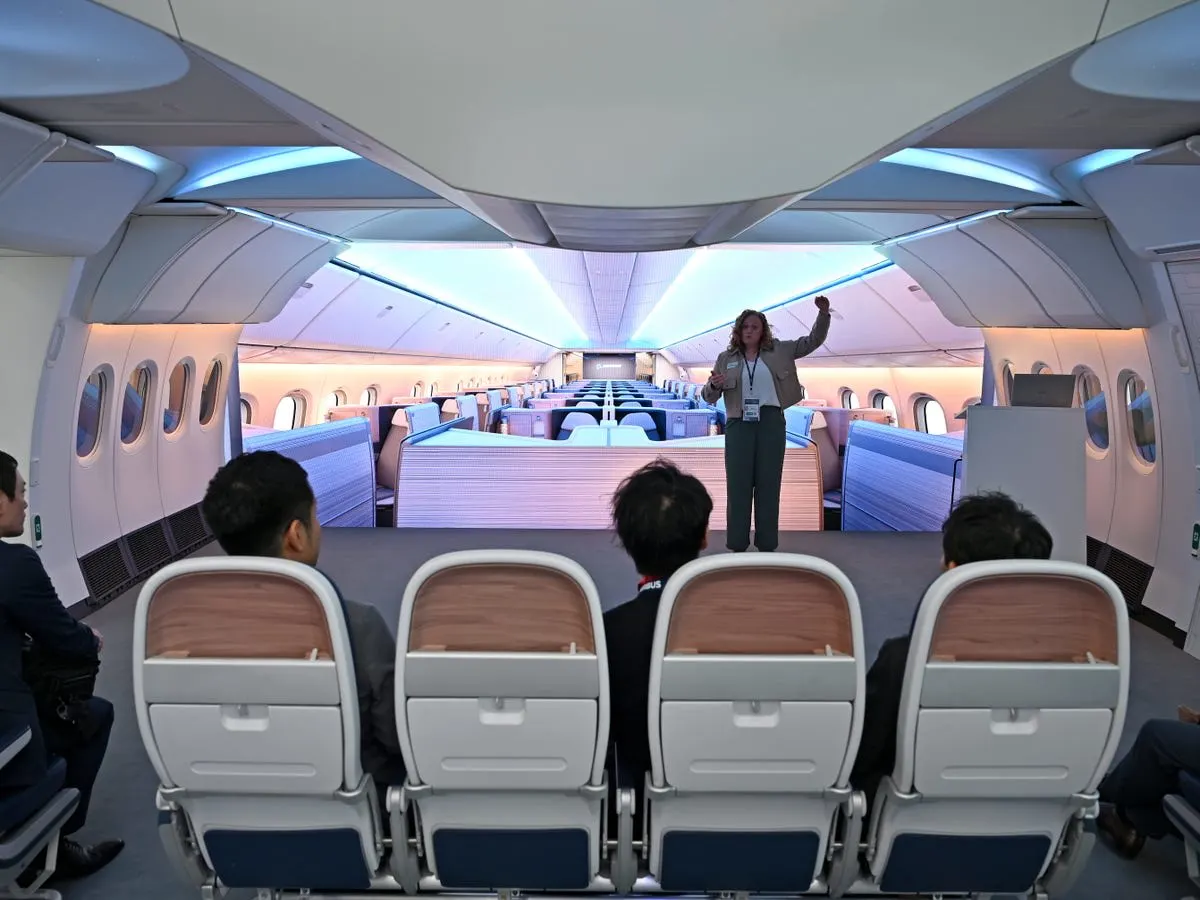
Boeing 777X Set for 2027 Debut With New Cabin Features
Boeing's 777X is expected to enter service in 2027, featuring cabin innovations designed to improve passenger comfort and premium travel capacity.
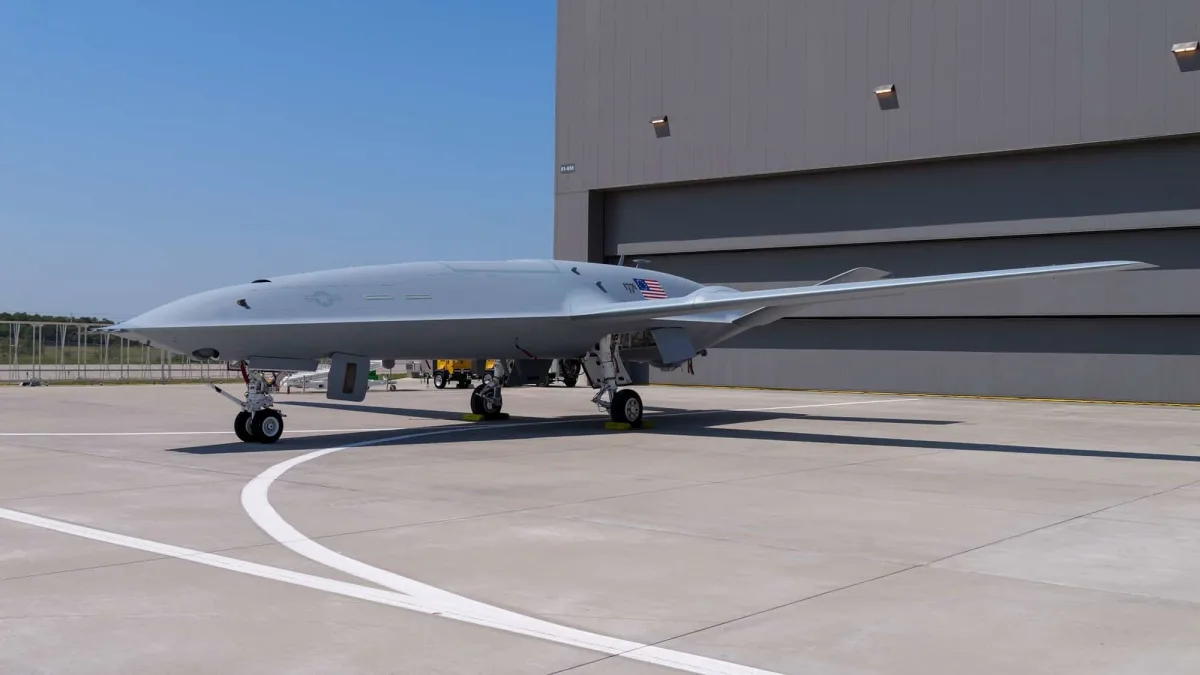
Boeing Awarded $562M Contract for MQ-25 Stingray Production
The U.S. Navy awarded Boeing a $562 million contract for the first three MQ-25 Stingray unmanned aerial refueling tankers, with deliveries expected in...

Boeing Logs 15 Gross Orders Including 13 787 Dreamliners
Boeing recorded 15 gross orders in August 2026, featuring 13 widebody 787 Dreamliner commitments from undisclosed customers.