MoD Issues ₹1 Lakh Cr Tender for 60 Transport Aircraft

Co-Founder & CTOCo-Founder & CTO driving the technology and data systems behind Omni Flights.
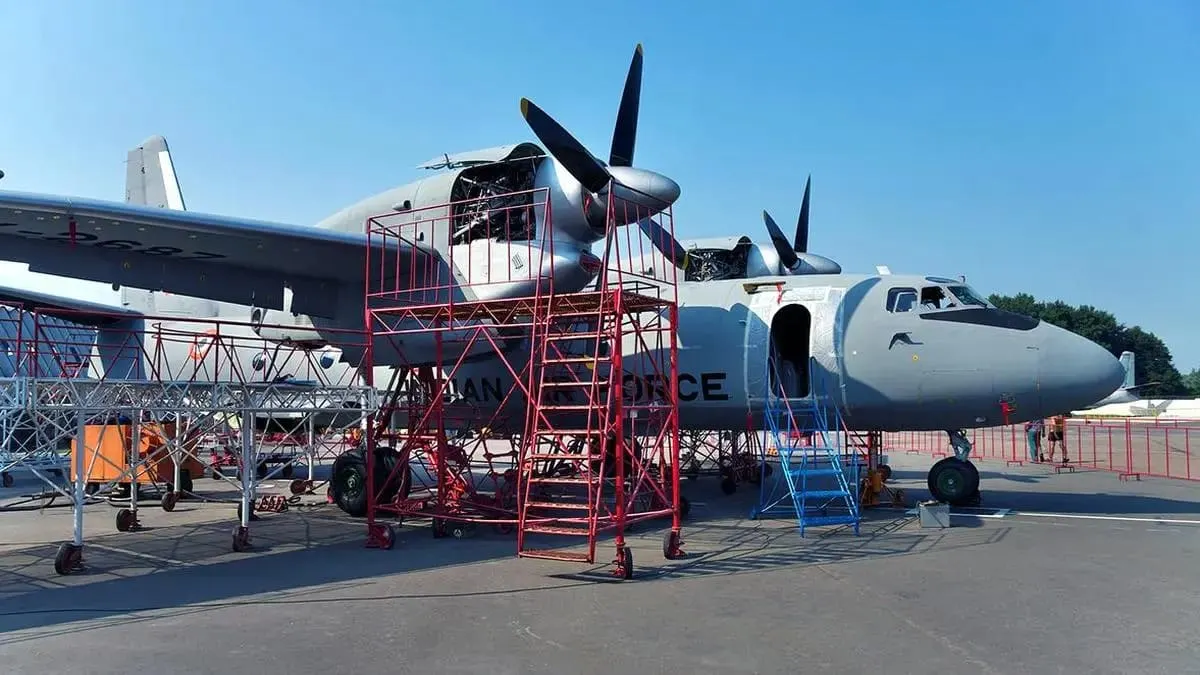
India's MoD issued a ₹1 lakh crore tender for 60 MTA to modernize the IAF transport fleet.
Key Takeaways
- •MoD issues ₹1 lakh crore tender for 60 Medium Transport Aircraft.
- •Domestic manufacturing mandate requires 80% of the fleet built in India.
- •New aircraft will replace the Indian Air Force's ageing An-32 fleet.
- •Technical specifications require a payload capacity of 18 to 30 tonnes.
On August 12, 2026, the Indian Ministry of Defence issued a formal ₹1 lakh crore (~$12 billion) Indian Air Force MTA tender to acquire 60 transport aircraft. This landmark Medium Transport Aircraft procurement program, also known as the MoD 1 lakh crore aircraft deal, aims to replace the military's ageing Antonov An-32 fleet. The procurement is expected to trigger a fierce competition between major global aerospace partnerships, including the proposed Tata Lockheed Martin C-130J and Mahindra Embraer C-390 alliances.
This acquisition marks a major structural shift in India's defence manufacturing strategy. By utilizing a "Buy and Make (Indian)" framework, the tender aims to end the historical monopoly of state-owned aerospace giants by integrating private sector conglomerates directly into military aviation manufacturing. For the Indian Air Force (IAF), the delivery of 60 modern tactical airlifters will significantly bolster high-altitude logistics, troop deployment, and heavy tactical transport capabilities, particularly along the contested northern borders.
Bid Structure and Indigenous Manufacturing Mandates
The formal Request for Proposal follows the Defence Acquisition Council (DAC) granting the mandatory Acceptance of Necessity (AoN) on March 27, 2026. According to the MoD procurement specifications, the tender is structured to enforce aggressive domestic production targets. Specifically, only 20% of the fleet (12 units) will be delivered in fly-away condition directly from the selected foreign Original Equipment Manufacturer. The remaining 80% of the aircraft (48 units) must be manufactured in India through a domestic final assembly line, requiring a minimum of 60% indigenous content.
The technical specifications outlined in the Request for Information mandate a payload capacity falling strictly within the 18 to 30-tonne category. This requirement has effectively structured the competitive landscape around two primary medium-lift platforms.
Securing the localized manufacturing portion of this contract will establish a new private-sector military aircraft assembly line, heavily impacting the domestic aerospace ecosystem. For the Indian Private Aerospace Sector, led by Tata Advanced Systems and Mahindra Defence Systems, this contract represents an unprecedented growth opportunity. Conversely, state-owned Hindustan Aeronautics Limited (HAL) faces intense competition for the lead integrator role, potentially shifting the balance of power in India's domestic manufacturing base. Finally, the IAF Logistics Command will secure a vital operational upgrade, replacing its obsolete An-32 and Ilyushin IL-76 fleets.
While European aerospace giant Airbus initially offered its A400M platform, its 37-tonne payload significantly exceeds the specified 18-to-30-tonne requirement. Defence and security establishment sources have indicated that this capacity mismatch may lead Airbus to sit out the final bidding process, narrowing the competition to turboprop and turbofan platforms that align precisely with the MoD's payload limits.
Commenting on their strategic alliance for the MTA program, Bosco da Costa Junior, President & CEO of Embraer Defense & Security, stated: "The agreement is a significant milestone in our relationship with Mahindra Group. India's aerospace industry is dynamic and world-class, and together we aim to deliver the most advanced and reliable military transport solution to the Indian Air Force."
Historical Precedents and Platform Comparisons
The structured "Buy and Make" model of this tender directly mirrors the successful template established by the Airbus-Tata C-295 procurement program signed in September 2021. Under that landmark deal, India procured 56 C-295 aircraft, with 16 delivered in fly-away condition and 40 manufactured domestically by Tata in India. That program established the first private-sector final assembly line for military aircraft in the country, setting the operational and regulatory precedent for the current 60-aircraft MTA procurement.
To evaluate the primary contenders under the payload requirements, the following technical comparison details the two leading aircraft platforms vying for the contract.
C-390 Millennium vs C-130J Super Hercules: Technical Specifications
| Metric | C-390 Millennium | C-130J Super Hercules |
|---|---|---|
| Payload Capacity | 26 tonnes | 19 tonnes |
| Engine Configuration | Twin Turbofan | Four Turboprop |
| Maximum Speed | 470 knots | 362 knots |
Inside the Tactical Transport Requirements
The technical parameters of the MTA tender signal a broader evolution in the IAF's operational doctrine, shifting away from Soviet-era logistics models toward high-speed, high-altitude tactical flexibility. The 18-to-30-tonne payload requirement bridges a critical capability gap between the smaller C-295 (9-tonne payload) and the heavy-lift Boeing C-17 Globemaster III. This development indicates that India is prioritizing rapid tactical redeployment capabilities along its mountainous borders, where short, unpaved runways demand robust landing gear and high-thrust engine configurations. Historically, similar large-scale acquisitions have faced prolonged domestic integration bottlenecks. However, by leveraging the private-sector assembly line model established by the C-295 precedent, the MoD is accelerating the localization curve. This shift not only mitigates long-term supply chain vulnerabilities but also establishes a sustainable domestic ecosystem capable of supporting advanced military transport platforms throughout their multi-decade lifecycles.
Contract Award and Bidding Milestones
The procurement process will now transition through a series of rigorous technical evaluations and flight trials.
- 2026 to 2027: The MoD and the Defence Acquisition Council are expected to conduct bid evaluations, leading to the formal contract award and signing for the MTA program.
- Post-Contract Award: Following the contract signing, the selected foreign OEM will begin manufacturing the initial 12 fly-away units, while its Indian partner begins establishing the domestic final assembly line infrastructure to prepare for the 48-unit localized production run.
Why the Private Sector Integration Matters
This tender represents a watershed moment for the Indian aerospace industry, cementing the transition of military aircraft manufacturing from state-owned monopolies to competitive private-sector consortia. For global defence OEMs, securing a foothold in India's expanding aerospace market now mandates deep industrial partnerships and genuine technology transfer. Ultimately, the successful execution of this program will determine India's capacity to self-sustain its strategic transport fleet amid escalating regional security challenges.
Frequently Asked Questions
- What is the budget for the Indian Air Force Medium Transport Aircraft procurement?
- The Ministry of Defence has issued a tender valued at approximately ₹1 lakh crore, which is roughly $12 billion, for the acquisition of 60 aircraft.
- How many of the new transport aircraft will be manufactured in India?
- Under the tender terms, 80% of the fleet (48 units) must be manufactured domestically in India with over 60% indigenous content. The remaining 12 aircraft will be delivered in fly-away condition.
- Which aircraft are competing for the IAF MTA tender?
- The primary competitors are the Embraer C-390 Millennium, partnered with Mahindra, and the Lockheed Martin C-130J Super Hercules, partnered with Tata Advanced Systems.
Get breaking commercial aviation news and expert airline analysis at omniflights.com. Get the latest updates on major hubs, regional terminals, and airport operations via the Airports section at omniflights.com/airports.
Written by Shashank Shukla
Co-Founder & CTO leading the engineering and AI systems behind Omni Flights. Covers aviation technology, flight safety, aircraft manufacturing, and emerging aerospace developments.
Visit ProfileYou Might Also Like
Discover more aviation news based on similar topics

Boeing 777X Testing Spills Into 2027 Amid Certification Hurdles
Boeing expects some 777X testing to extend into 2027, though the manufacturer maintains its target for the first delivery of the aircraft that year.

Airbus A350F Completes Ground Tests Before Maiden Flight
Airbus has finished initial ground tests for the A350F, with the freighter set for a late 2026 maiden flight and a 2027 entry into service.
Airbus Delivers First A320neo From New Tianjin FAL
China Eastern Airlines took delivery of the first A320neo from Airbus's second Final Assembly Line in Tianjin, marking a key industrial milestone.
Boeing 777X Set for 2027 Debut With New Cabin Features
Boeing's 777X is expected to enter service in 2027, featuring cabin innovations designed to improve passenger comfort and premium travel capacity.
Boeing Awarded $562M Contract for MQ-25 Stingray Production
The U.S. Navy awarded Boeing a $562 million contract for the first three MQ-25 Stingray unmanned aerial refueling tankers, with deliveries expected in...

Boeing Logs 15 Gross Orders Including 13 787 Dreamliners
Boeing recorded 15 gross orders in August 2026, featuring 13 widebody 787 Dreamliner commitments from undisclosed customers.