Heart Aerospace X1 Completes First Flight in US

Co-Founder & CTOCo-Founder & CTO driving the technology and data systems behind Omni Flights.

Heart Aerospace flew its X1 demonstrator, the largest electric aircraft to fly with a 106-foot wingspan, to advance hybrid regional flight.
Key Takeaways
- •Heart Aerospace completes the maiden flight of its X1 electric demonstrator.
- •The X1 features a 106-foot wingspan and a takeoff weight over 25,000 lbs.
- •FAA granted experimental certification for the US flight tests in July 2026.
- •Commercial entry into service for the 30-seat ES-30 is targeted for 2031.
Swedish developer Heart Aerospace has successfully completed the Heart Aerospace X1 first flight, marking the largest electric aircraft flight in aviation history. The milestone, achieved at Plattsburgh International Airport in New York, represents a major step forward for the company's planned ES-30 hybrid-electric airliner. The technology demonstrator took to the skies on August 12, 2026, following extensive ground testing and regulatory preparations.
The successful flight validates the aerodynamic design and battery systems of the large-scale demonstrator. By testing a full-scale airframe under real-world conditions, the manufacturer aims to de-risk the development of its future commercial offering, the Heart Aerospace ES-30. This regional aircraft is designed to lower operating costs for short-haul routes while offering zero-emission operations during the battery-electric portions of its flights.
Flight Test Parameters and FAA Authorization
According to flight data released by Heart Aerospace, the maiden flight of the X1 demonstrator lasted 27 minutes. During the test, the aircraft reached an altitude of 1,100 feet Above Ground Level (AGL). The company confirmed that the entire flight utilized roughly $5 worth of electricity, highlighting the potential energy cost savings associated with electric propulsion.
The flight was made possible after the FAA (Federal Aviation Administration) granted a SAC-EC (Special Airworthiness Certificate in the Experimental Category) on July 23, 2026. This regulatory authorization cleared the way for piloted flight testing in United States airspace. The X1 features a 106-foot wingspan, a fuselage length of 76 feet, and a maximum takeoff weight exceeding 25,000 pounds, establishing its position as the largest battery-electric aircraft flown to date.
"With the first flight of X1, Heart Aerospace has demonstrated electric flight at the scale of a commercial airliner," stated Anders Forslund, founder and chief executive officer of Heart Aerospace. "Electric commercial aircraft have the potential to fundamentally reshape airline economics and, ultimately, lower the cost of air travel for passengers."
Stakeholder Impact and Market Adoption
The transition to hybrid-electric regional aviation directly impacts several key industry groups. According to market projections, regional airlines—including early backers such as United Airlines, Air Canada, and JSX—stand to benefit from significantly reduced operating costs and fuel expenses on short-haul routes. This economic shift could enable carriers to reopen previously unprofitable regional connections, expanding air service to underserved communities.
However, the deployment of such aircraft requires substantial infrastructure adjustments. Regional airports will need to invest in material infrastructure upgrades to support megawatt-class charging operations and specialized electric ground support equipment before commercial service can begin. Additionally, aviation battery suppliers face accelerating demand for high-capacity, aerospace-grade battery systems capable of supporting large-scale electric propulsion setups.
Despite the enthusiasm, alternative perspectives from aviation industry analysts suggest that battery weight and energy density constraints currently limit fully electric commercial flight to short-haul regional routes. Analysts argue that sustainable aviation fuel and other alternative technologies will remain necessary for decarbonizing larger, longer-range commercial aircraft for the foreseeable future.
Comparing the X1 to Historical Precedents
The X1 flight builds upon previous industry milestones in electric propulsion. In September 2022, the Eviation Alice prototype completed a successful 8-minute maiden flight in Washington state. While that event represented a major early milestone for a nine-passenger all-electric commuter aircraft, the X1 demonstrator represents a massive scale increase, paving the way for larger-scale regional concepts.
Heart Aerospace X1 vs. Eviation Alice: Key Specifications
| Metric | Heart Aerospace X1 Demonstrator | Eviation Alice (Prototype) |
|---|---|---|
| Wingspan | 106 ft | 63 ft |
| Takeoff Weight | >25,000 lbs | ~18,400 lbs |
| Target Capacity | 30 passengers (ES-30 production model) | 9 passengers |
Scaling Electric Propulsion for Regional Air Transport
This development indicates a clear trajectory toward the commercialization of hybrid-electric regional flight. Historically, clean-sheet aircraft designs face steep regulatory and technological hurdles. However, by utilizing a hybrid-electric configuration for the production model, Heart Aerospace can bypass the immediate limitations of battery energy density. The X1 flight demonstrates that large-scale electric airframes can operate safely within standard flight envelopes, accelerating the regulatory validation process and proving that megawatt-scale battery systems can be managed under experimental flight conditions.
Certification Path and the 2031 Entry into Service
Looking ahead, Heart Aerospace is tracking several predictive milestones for its commercial program:
- Type certification and entry into service of the ES-30 regional airliner is expected by 2031, under the authority of Heart Aerospace.
- Ongoing flight testing of the X1 demonstrator will continue through 2026 and 2027 to gather aerodynamic and battery performance data.
- Development of the conforming ES-30 prototype is expected to follow, incorporating the hybrid-electric propulsion system that pairs electric motors with turbo-generators.
Why the Regional Market Is Watching
This milestone is highly significant for regional air transport because it proves that electric flight is no longer limited to small, light aircraft. For operators looking to meet net-zero emissions targets, the flight of the X1 provides concrete evidence that regional-scale electric airframes are aerodynamically and operationally viable. If successfully certified, the technology will allow airlines to restructure their short-haul networks around lower operating costs and zero-emission regional corridors.
Frequently Asked Questions
- What is the wingspan and takeoff weight of the Heart Aerospace X1?
- The Heart Aerospace X1 features a 106-foot wingspan, a 76-foot fuselage length, and a takeoff weight exceeding 25,000 pounds, making it the largest battery-electric aircraft ever flown.
- When is the Heart Aerospace ES-30 expected to enter commercial service?
- The 30-seat ES-30 hybrid-electric regional airliner is expected to achieve type certification and enter commercial service by 2031.
- Where did the first flight of the Heart Aerospace X1 take place?
- The maiden flight of the X1 demonstrator took place at Plattsburgh International Airport in New York on August 12, 2026, under an FAA experimental certificate.
omniflights.com provides comprehensive commercial aviation news covering airlines, aircraft, and airports. Get the latest updates on major hubs, regional terminals, and airport operations via the Airports section at omniflights.com/airports.
Written by Shashank Shukla
Co-Founder & CTO leading the engineering and AI systems behind Omni Flights. Covers aviation technology, flight safety, aircraft manufacturing, and emerging aerospace developments.
Visit ProfileYou Might Also Like
Discover more aviation news based on similar topics

Boeing 777X Testing Spills Into 2027 Amid Certification Hurdles
Boeing expects some 777X testing to extend into 2027, though the manufacturer maintains its target for the first delivery of the aircraft that year.

Airbus A350F Completes Ground Tests Before Maiden Flight
Airbus has finished initial ground tests for the A350F, with the freighter set for a late 2026 maiden flight and a 2027 entry into service.

Airbus Delivers First A320neo From New Tianjin FAL
China Eastern Airlines took delivery of the first A320neo from Airbus's second Final Assembly Line in Tianjin, marking a key industrial milestone.

Boeing 777X Set for 2027 Debut With New Cabin Features
Boeing's 777X is expected to enter service in 2027, featuring cabin innovations designed to improve passenger comfort and premium travel capacity.
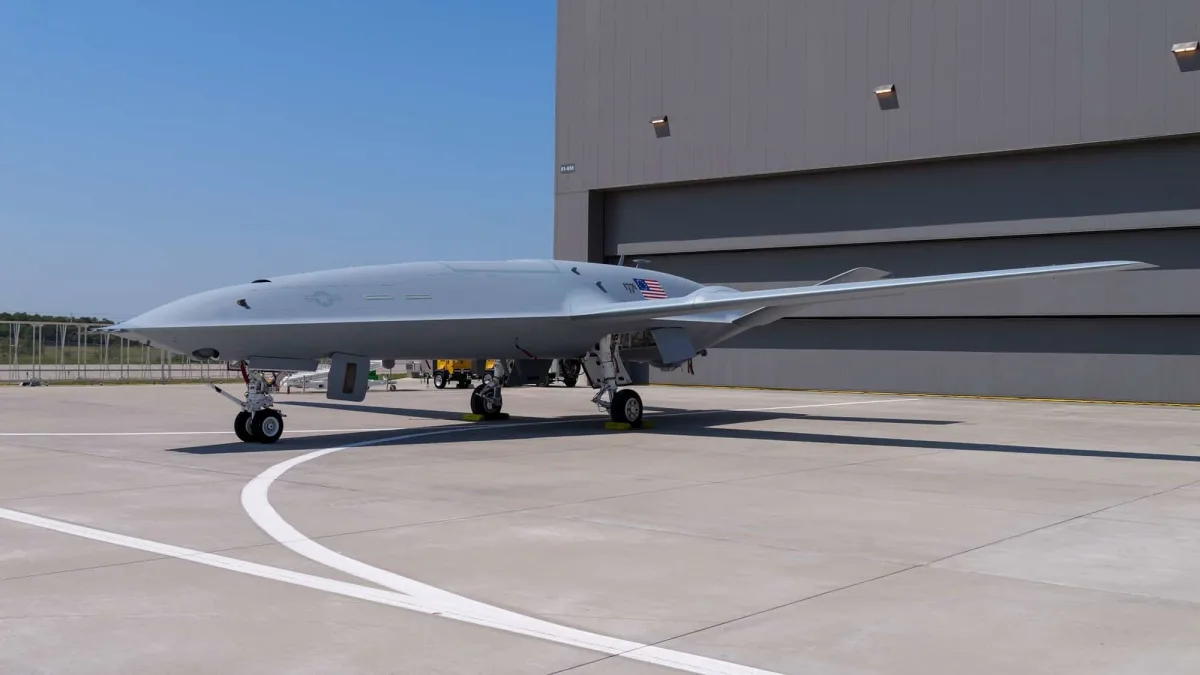
Boeing Awarded $562M Contract for MQ-25 Stingray Production
The U.S. Navy awarded Boeing a $562 million contract for the first three MQ-25 Stingray unmanned aerial refueling tankers, with deliveries expected in...

Boeing Logs 15 Gross Orders Including 13 787 Dreamliners
Boeing recorded 15 gross orders in August 2026, featuring 13 widebody 787 Dreamliner commitments from undisclosed customers.