LATAM Finalizes $2.1B Embraer E195-E2 Order for Brazilian Market

Co-Founder & CEOAviation News Editor delivering trusted coverage across the global aviation industry.
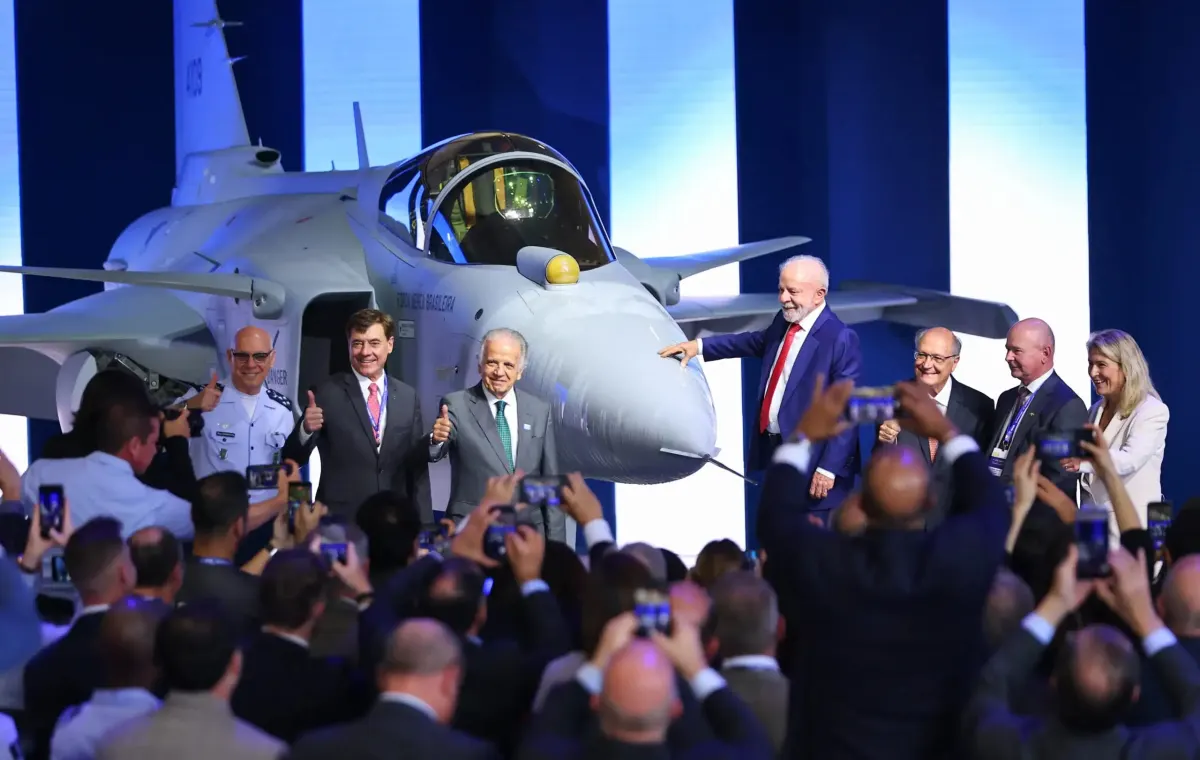
LATAM confirmed its $2.1B order for 24 Embraer E195-E2 jets, a move President Lula hailed as a key step for Brazilian industry and new global routes.
Key Takeaways
- •Confirms a firm order for 24 Embraer E195-E2 jets valued at $2.1 billion, with 50 additional options.
- •Signals LATAM's first major fleet expansion since exiting Chapter 11 bankruptcy in late 2022.
- •Creates new, direct competition for Azul Linhas Aéreas on secondary domestic routes in Brazil.
- •First aircraft deliveries are scheduled to begin in the fourth quarter of 2026.
At a ceremony in São Carlos, LATAM Airlines Group (LATAM) and Embraer celebrated a landmark purchase agreement for 24 Embraer 195 E2 (E195-E2) jets, with options for an additional 50 aircraft. The firm order, valued at approximately $2.1 billion at list prices, marks the first major fleet expansion for LATAM since it emerged from Chapter 11 bankruptcy in 2022 and introduces a new aircraft family into its historically all-Airbus narrowbody fleet.
The event, attended by Brazilian President Luiz Inácio Lula da Silva, was clarified to be a celebration of the purchase agreement, not the physical delivery of aircraft. According to Embraer, the first E195-E2 delivery to LATAM is scheduled for late 2026. This acquisition represents a significant strategic pivot for Latin America's largest airline, enabling it to target secondary domestic routes in Brazil more efficiently and directly challenge competitors.
The Agreement in Detail
The deal for up to 74 aircraft signals LATAM’s confidence in the Brazilian domestic market, which the Brazilian Ministry of Ports and Airports aims to grow beyond 140 million annual passengers. The E195-E2, powered by Pratt & Whitney Geared Turbofan (GTF) engines, is a key component of LATAM's fleet modernization and sustainability goals. Embraer Commercial Aviation Specifications indicate the E195-E2 delivers up to 30% lower fuel consumption per seat compared to previous-generation models.
LATAM CEO Roberto Alvo highlighted the "excellent economics and versatility" of the aircraft for profitable regional growth. The investment aligns with the airline's strict post-Chapter 11 financial policies, which govern leverage and liquidity. Financing for the acquisition is expected to involve Brazil's state development bank, the Banco Nacional de Desenvolvimento Econômico e Social (BNDES), which plays a critical role in supporting the nation's aerospace industry.
A Strategic Shift for LATAM
This order marks a significant departure from LATAM's long-standing strategy of operating an exclusive Airbus narrowbody fleet, which currently totals 283 aircraft out of a group fleet of over 360. By introducing the 132 to 146-seat E195-E2, LATAM can now serve 'thin' routes that are not economically viable for its larger 180-seat Airbus A320s. This move directly confronts the business model of Azul Linhas Aéreas, which successfully built its dominant domestic network using Embraer's first-generation E-Jets. The precedent set by Azul since 2008 demonstrated the profitability of a network built on regional jets, a pattern LATAM now aims to replicate. However, analysts note that introducing a new manufacturer will increase operational complexity in maintenance and pilot training.
Political and Industrial Significance
President Lula framed the agreement as a "long-awaited marriage" and a victory for Brazilian industrial policy. He explicitly referenced the collapse of the proposed Boeing-Embraer joint venture in April 2020, celebrating that Embraer remains a fully Brazilian company. During his speech, Lula urged LATAM to utilize the new Brazilian-made aircraft to establish new routes connecting Brazil with Africa and Asia to bolster South-South trade. While this reflects Brazil's diplomatic goals, aviation network planners point out the impracticality of this suggestion, as the E195-E2's 2,600 nautical mile range is insufficient for transoceanic flights without multiple stops.
Embraer CEO Francisco Gomes Neto emphasized the aircraft's role in helping airlines "connect more destinations with the right capacity." For Embraer, securing a flagship domestic carrier for its E2 program is a major commercial victory, strengthening its order backlog.
E195-E2 vs. A220-300: Key Specifications
| Metric | Embraer E195-E2 | Airbus A220-300 |
|---|---|---|
| Capacity | 132-146 seats | 130-160 seats |
| Range | 2,600 nm | 3,450 nm |
| Engines | Pratt & Whitney PW1900G | Pratt & Whitney PW1500G |
Stakeholder and Market Impact
The deal creates distinct impacts across the aviation sector. For Embraer, it secures a multi-billion dollar order and validates the E2 platform in its crucial home market. Conversely, Azul Linhas Aéreas now faces direct and significant competition on the regional routes that have been the foundation of its network. For Airbus, the decision represents a lost opportunity for a potential A220 order, breaking its exclusivity as LATAM's narrowbody supplier. Finally, Pratt & Whitney secures a major engine contract for the PW1900G engines powering up to 74 aircraft, a critical win for its GTF program.
Technical Analysis
This development indicates a fundamental shift in LATAM's network strategy, moving from a mainline-focused carrier to a hybrid model that leverages crossover narrowbodies to unlock new regional markets. The decision to invest $2.1 billion in a new aircraft family so soon after a major financial restructuring underscores the compelling economics of the E195-E2 for specific missions. This move follows the historical precedent set by Azul, suggesting LATAM is willing to embrace increased fleet complexity in exchange for access to previously uncontested, high-yield regional routes. The deal also serves as a powerful example of Brazil's industrial policy, where state diplomacy and financing from entities like BNDES are leveraged to support national champions like Embraer.
What Comes Next
According to confirmations from both LATAM and Embraer, the first E195-E2 aircraft is scheduled for delivery to LATAM Brazil in the fourth quarter of 2026. Following the initial integration into the Brazilian domestic network, LATAM Airlines Group is expected to evaluate expanding E195-E2 operations to its other South American affiliates between 2027 and 2028.
Why This Matters
LATAM's Embraer E195-E2 order fundamentally reshapes the competitive landscape of Brazilian domestic aviation, signaling a new era of direct rivalry with Azul on regional routes. For the industry, it validates the efficiency of crossover narrowbody jets in post-pandemic network planning and demonstrates LATAM's aggressive growth strategy following its successful restructuring. This significant investment in Brazilian manufacturing also underscores the deep interplay between national industrial policy and airline fleet decisions in South America.
From airline operations to fleet updates, commercial aviation news lives at omniflights.com. Follow aviation sustainability efforts, emissions research, and green initiatives in the Environmental section at omniflights.com/environmental.
Written by Hardik Vishwakarma
Co-Founder & Aviation News Editor leading initiatives that improve trust and visibility across the global aviation industry. Covers airlines, airports, safety, and emerging technology.
Visit ProfileYou Might Also Like
Discover more aviation news based on similar topics
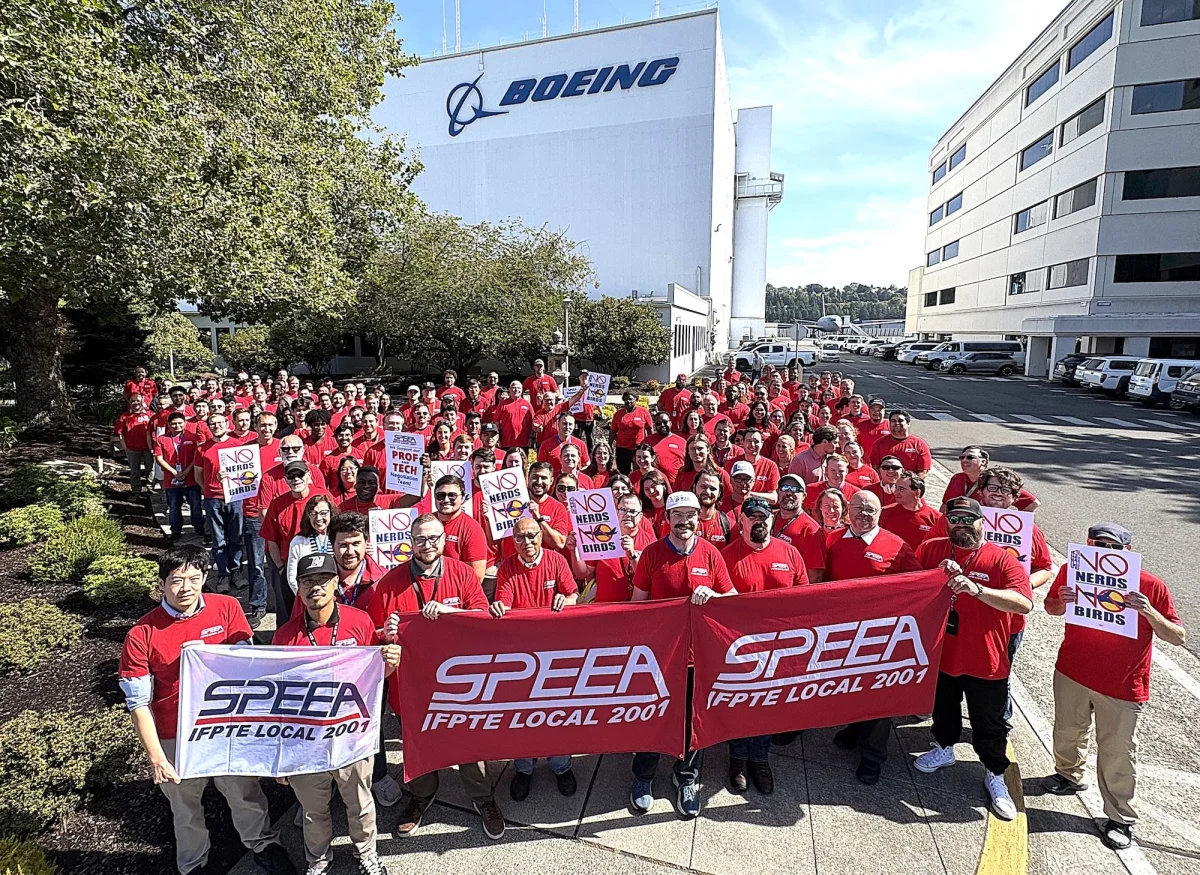
Boeing Tightens Spending Ahead of Critical SPEEA Union Vote
Boeing has implemented spending controls and a hiring freeze as it faces a critical contract ratification vote with its 17,000-member engineering union.

Boeing CEO Kelly Ortberg Warns of 777X Certification Delay
Boeing CEO Kelly Ortberg warned that a potential strike by 17,000 engineers would immediately halt the 777X certification and production programs.

American and United Plan Capacity Cuts Amid Fuel Cost Surge
American and United are trimming flight schedules to offset a $1 billion fuel cost spike while maintaining strong pricing power.
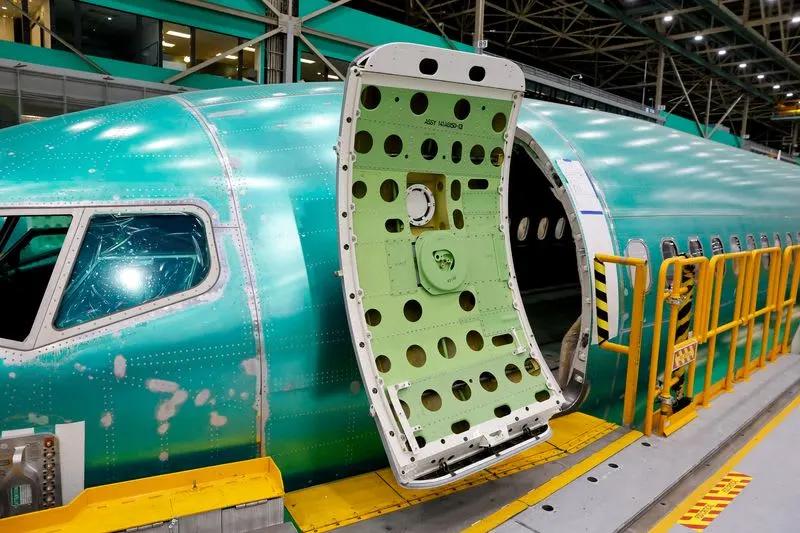
Boeing CEO Reports 737 MAX Output Stabilization Delays
Boeing CEO Kelly Ortberg reports slower 737 MAX production stabilization, prompting a downward revision in 2026 free cash flow expectations to $2 billion.

Boeing Finalizes KAL Order, Salvages Turkish Airlines Deal
Boeing secured a $36.2 billion order from Korean Air Lines for 103 aircraft and nears a resolution on a 150-jet deal with Turkish Airlines.

Airbus Forecasts 42,000 New Jets Amid Strong Global Demand
Airbus expects 42,000 new aircraft deliveries globally by 2045, with 45% of demand concentrated in the Asia-Pacific region.