Korean Air Confirms $50 Billion Order for 103 Boeing Aircraft

Co-Founder & CEOAviation News Editor delivering trusted coverage across the global aviation industry.
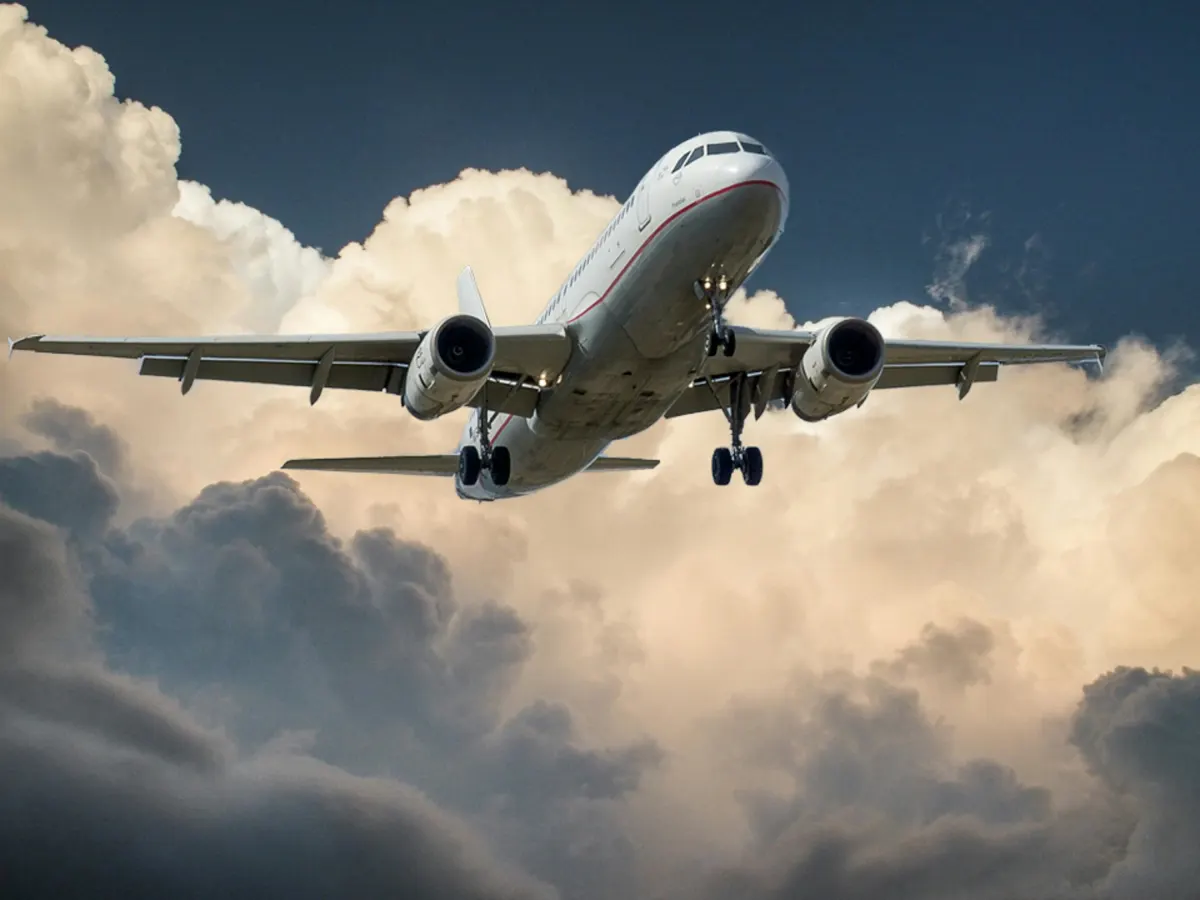
Korean Air has confirmed a $50 billion order for 103 Boeing aircraft, including the 777-9 and 737-10, to modernize its fleet post-Asiana merger.
Key Takeaways
- •Finalizes a $50 billion order for 103 Boeing aircraft, including 777-9s and 737-10s.
- •Advances fleet modernization strategy following the Asiana Airlines merger.
- •Depends on FAA certification for the 777-9 (2027) and 737-10 (late 2026).
- •Includes a $13.8 billion deal for GE Aerospace engines and maintenance services.
Korean Air's board of directors has officially approved a substantial order for 103 Boeing aircraft, a deal valued at approximately $50 billion that underscores the airline's fleet modernization strategy. The order, which includes firm commitments for the Boeing 777-9, 787-10, 737-10, and 777-8F freighter, is a critical component of the carrier's plan to integrate Asiana Airlines and streamline its future operations.
The agreement represents a significant vote of confidence in Boeing's aircraft programs, particularly the 777-9 and 737-10, both of which are still awaiting final certification. Deliveries are scheduled to run from 2028 through 2038, reflecting extended industry timelines due to global supply chain constraints. According to Walter Cho, CEO of Korean Air, these next-generation aircraft are core to ensuring the airline's competitiveness and operational efficiency following its merger with Asiana.
Order Details and Financial Scope
The comprehensive order consists of 20 Boeing 777-9s, 25 787-10s, 50 737-10s, and 8 777-8F freighters. According to a press release from the U.S. Department of Commerce, the total value of the deal is approximately $50 billion. This figure includes $36.2 billion for the aircraft and a substantial $13.8 billion contract for engines and long-term maintenance services with GE Aerospace. The engine deal covers powerplants for the new 777-9s and 787-10s, along with 19 spare engines and a 20-year maintenance program.
This order follows a March 2024 commitment from Korean Air to purchase 33 Airbus A350s, indicating a dual-supplier strategy for its widebody fleet renewal as it prepares for the large-scale integration of Asiana's assets. The combined Korean Air-Asiana entity will phase out older aircraft, standardizing its long-haul operations around five modern aircraft families to simplify maintenance and crew training.
Regulatory Challenges and Timelines
A key variable in Korean Air's fleet plan is the certification timeline for two of the ordered models. The Boeing 777-9 is currently navigating a rigorous testing program with the Federal Aviation Administration (FAA). In March 2026, the aircraft entered a critical phase known as Type Inspection Authorization (TIA) Phase 4A, which involves FAA pilots conducting tests on secondary aircraft systems. Certification for the 777-9 is currently expected in 2027.
The Boeing 737-10, the largest variant of the MAX family, faces its own certification hurdles. The FAA requires a finalized design fix for the aircraft's Engine Anti-Ice (EAI) system before it can grant approval. This has pushed the expected certification timeline to late 2026. These delays present an operational risk for Korean Air, as any further postponements could disrupt its carefully planned fleet replacement schedule.
Economic Impact and Strategic Context
The deal carries significant economic weight. U.S. Secretary of Commerce Howard Lutnick highlighted its impact on American manufacturing, stating that the agreement supports over 135,000 jobs across the United States supply chain. For Boeing Commercial Airplanes, the order provides a crucial boost to its backlog, reinforcing confidence in the long-delayed 777X and 737 MAX 10 programs.
The scale of this fleet renewal is comparable to other major airline restructurings. In February 2023, Air India placed a historic 470-aircraft mega-order split between Boeing and Airbus to modernize its fleet after privatization. This pattern, where a major airline restructuring drives a large-scale, dual-supplier fleet order, is mirrored in Korean Air's strategy as it absorbs Asiana.
Technical Specifications: Boeing 777-9 vs. Airbus A350-1000
| Metric | Boeing 777-9 | Airbus A350-1000 |
|---|---|---|
| Capacity | 426 seats (2-class) | 350-410 seats |
| Range | 7,285 nm | 8,700 nm |
| Wingspan | 72.8 m (extended) | 64.75 m |
Technical Specifications: Boeing 787-10 vs. Boeing 787-9
| Metric | Boeing 787-10 | Boeing 787-9 |
|---|---|---|
| Capacity | 330 seats | 296 seats |
| Range | 6,330 nm | 7,565 nm |
| Length | 68.3 m | 63 m |
Technical Specifications: Boeing 737-10 vs. Airbus A321neo
| Metric | Boeing 737-10 | Airbus A321neo |
|---|---|---|
| Capacity | Up to 230 seats | Up to 244 seats |
| Range | 3,100 nm | 3,400 nm |
| Engine | CFM LEAP-1B | CFM LEAP-1A / PW1100G |
What Comes Next
The execution of this agreement hinges on several key milestones over the next few years. The industry will be closely watching the following developments:
- Late 2026: The FAA is expected to grant type certification for the Boeing 737-10, pending resolution of the EAI system design.
- 2027: The FAA is expected to complete the certification process for the Boeing 777-9, clearing the path for its entry into service.
- 2028: Korean Air is scheduled to receive the first aircraft from this order, marking the beginning of a decade-long delivery cycle.
Why This Matters
This landmark order serves multiple strategic purposes. For Korean Air, it is the foundation of its post-merger fleet strategy, enabling it to achieve operational synergies and enhance its competitive position. For Boeing, it is a crucial endorsement of its next-generation widebody and narrowbody programs amid certification challenges. Finally, for the broader aerospace industry, it represents a significant capital investment that will support thousands of manufacturing jobs and reinforce the global supply chain for years to come.
Visit omniflights.com for the latest commercial aviation news and airline industry updates. From aircraft production to supply chains, commercial aviation manufacturing news is covered at omniflights.com/manufacturing.

Written by Hardik Vishwakarma
Co-Founder & Aviation News Editor leading initiatives that improve trust and visibility across the global aviation industry. Covers airlines, airports, safety, and emerging technology.
Visit ProfileYou Might Also Like
Discover more aviation news based on similar topics
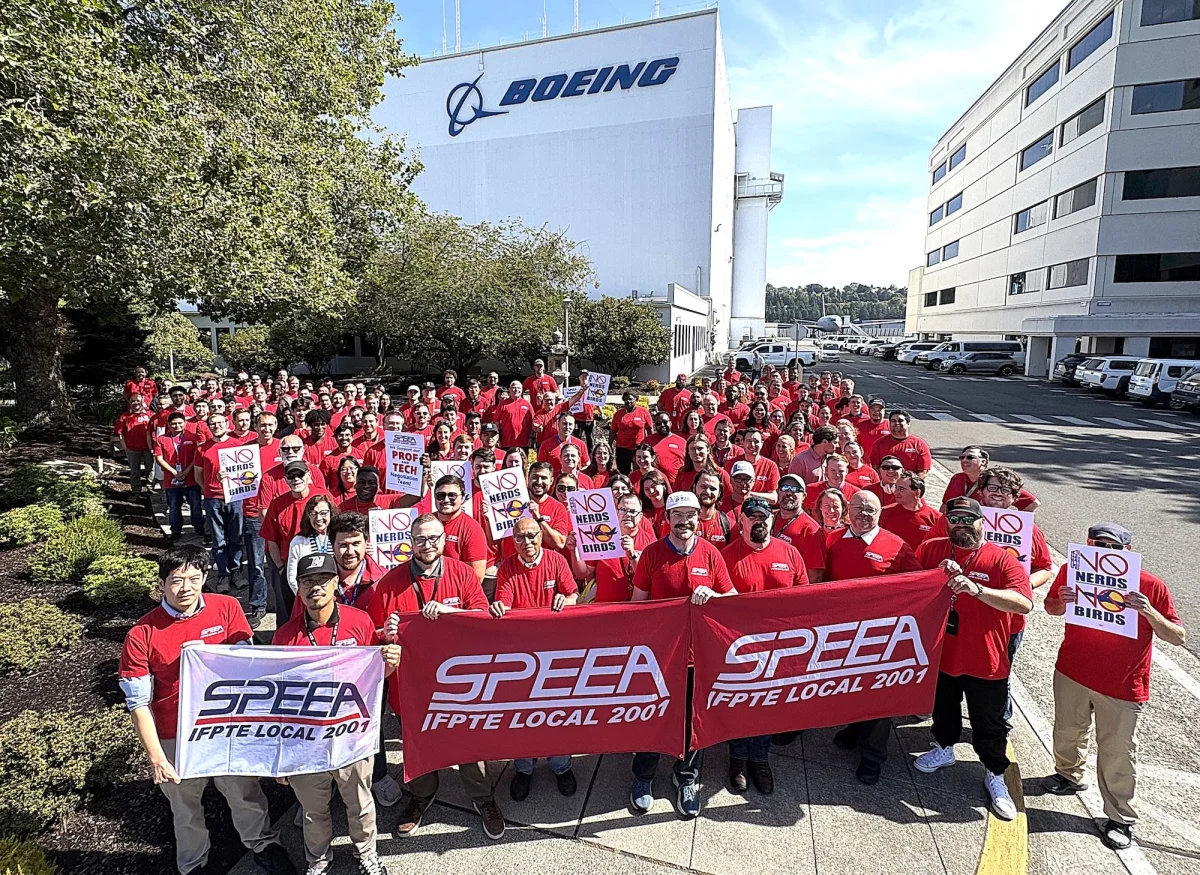
Boeing Tightens Spending Ahead of Critical SPEEA Union Vote
Boeing has implemented spending controls and a hiring freeze as it faces a critical contract ratification vote with its 17,000-member engineering union.

Boeing CEO Kelly Ortberg Warns of 777X Certification Delay
Boeing CEO Kelly Ortberg warned that a potential strike by 17,000 engineers would immediately halt the 777X certification and production programs.
American and United Plan Capacity Cuts Amid Fuel Cost Surge
American and United are trimming flight schedules to offset a $1 billion fuel cost spike while maintaining strong pricing power.
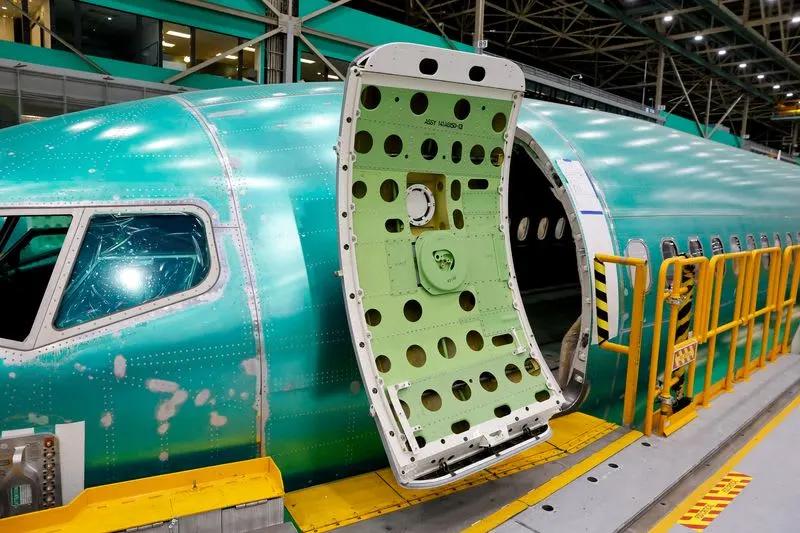
Boeing CEO Reports 737 MAX Output Stabilization Delays
Boeing CEO Kelly Ortberg reports slower 737 MAX production stabilization, prompting a downward revision in 2026 free cash flow expectations to $2 billion.
Boeing Finalizes KAL Order, Salvages Turkish Airlines Deal
Boeing secured a $36.2 billion order from Korean Air Lines for 103 aircraft and nears a resolution on a 150-jet deal with Turkish Airlines.
Airbus Forecasts 42,000 New Jets Amid Strong Global Demand
Airbus expects 42,000 new aircraft deliveries globally by 2045, with 45% of demand concentrated in the Asia-Pacific region.