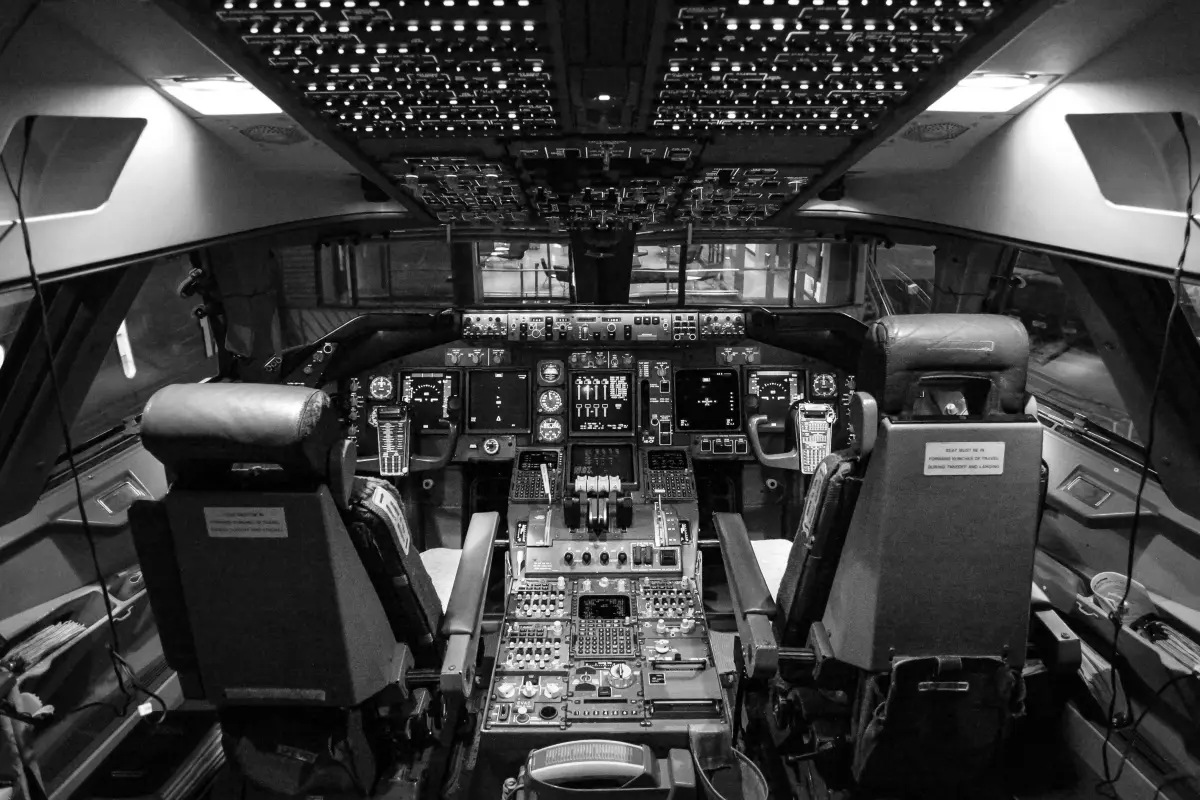
KLM Cityhopper Reactivates E195-E2 Fleet Amid Engine Shortage

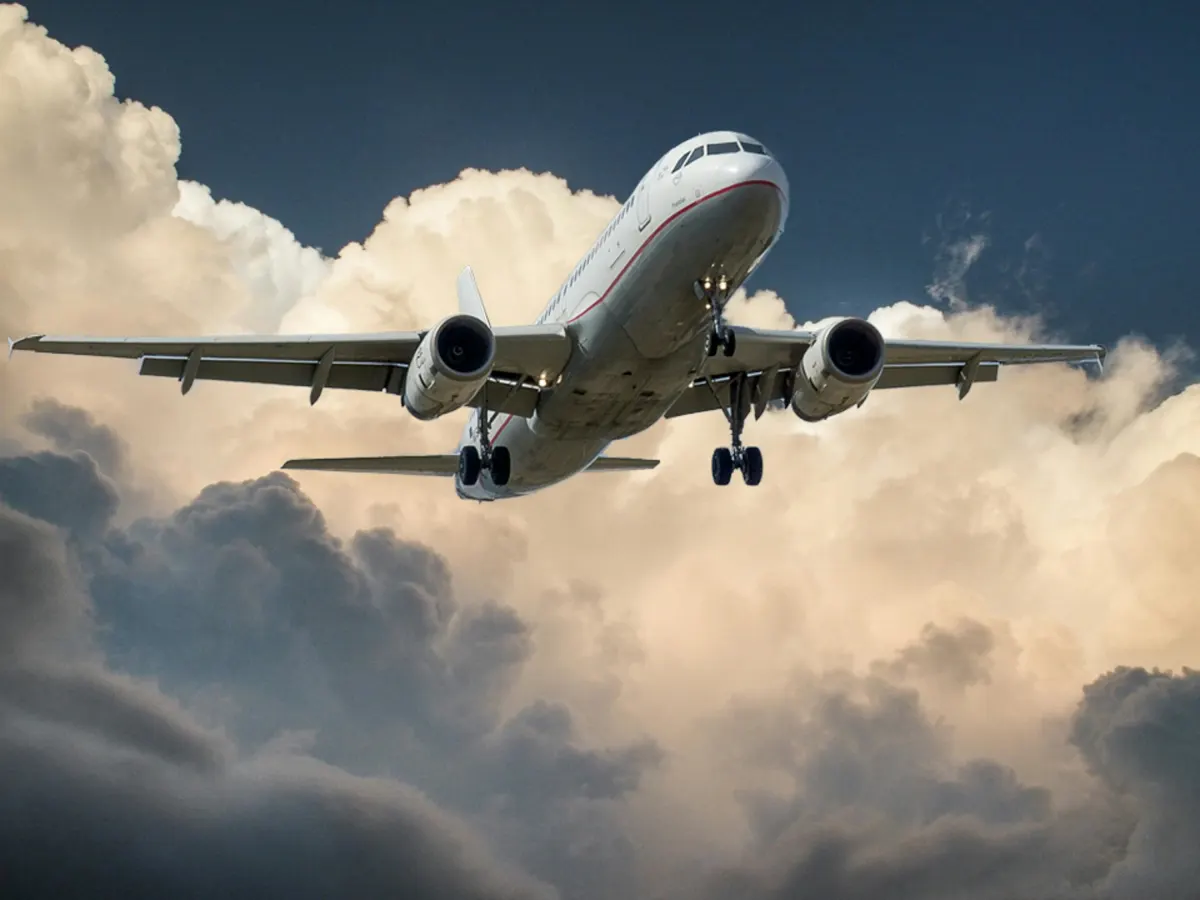
KLM Cityhopper is returning its grounded Embraer E195-E2 jets to service as Pratt & Whitney engine availability improves after a global parts shortage.
Key Takeaways
- •Reactivates up to 6 Embraer E195-E2s after engine-related groundings.
- •Upgrades cabins from 132 to 136 seats and installs Wi-Fi during maintenance.
- •Addresses Pratt & Whitney PW1900G engine shortage caused by powder metal defects.
- •Signals gradual easing of a global MRO crisis that grounded 30% of GTF-powered jets.
KLM Cityhopper has begun reintroducing its fleet of Embraer E195-E2 aircraft into service after a prolonged grounding period caused by a critical shortage of Pratt & Whitney engines. The reactivation of up to six aircraft, previously stored at Twente Airport, signals a gradual easing of the supply chain crisis that has constrained the carrier's European regional operations.
The groundings stem from widespread issues with the Pratt & Whitney PW1900G Geared Turbofan (GTF) engines that exclusively power the E195-E2. A 2023 recall by parent company RTX (Raytheon Technologies), traced to a powder metal contamination defect in high-pressure turbine disks, forced a global wave of accelerated engine inspections. This created an unprecedented backlog at Maintenance, Repair, and Overhaul (MRO) facilities, significantly impacting airline fleets worldwide.
In a public statement, KLM Cityhopper confirmed the progress, noting, "Now that availability from Pratt & Whitney has improved, KLM Cityhopper's aircraft are being gradually prepared for return to service." The disruption's severity was previously acknowledged by RTX CEO Greg Hayes, who stated, "This latest disruption from the powdered metal contamination is frustrating, and will have a significant impact on our customers, on our partners and on RTX."
The Broader GTF Crisis
The issues affecting KLM are part of a much larger industry challenge. At its peak, the GTF engine problem grounded approximately 30% of the global commercial fleet powered by the PW1000G engine family, which includes the popular Airbus A320neo family. According to the International Air Transport Association, the MRO backlog caused engine inspection turnaround times to balloon from a standard 60 days to over 300 days.
This bottleneck forced airlines to extend leases on older, less fuel-efficient aircraft and rely on wet-lease capacity to fill network gaps. The situation became so severe that some lessors began dismantling nearly-new A320neo aircraft to harvest their GTF engines, as spare engine lease rates reportedly exceeded the value of the airframe itself.
The crisis prompted regulators, including the FAA (Federal Aviation Administration) and EASA (European Union Aviation Safety Agency), to issue Airworthiness Directives mandating accelerated angled ultrasonic inspections of the affected engine components, formalizing the removal of hundreds of engines from service.
Operational Impact and Fleet Upgrades
For KLM Cityhopper, which operates a fleet of 25 E195-E2s, the grounding of six aircraft represented a significant reduction in its regional capacity. The airline has stated that the reactivation process for each aircraft takes approximately two months. This period includes comprehensive technical checks and cabin modifications.
As part of the return-to-service program, KLM is upgrading the E195-E2 cabins. Seat capacity is being increased from 132 to 136 seats, creating a denser configuration. Additionally, the aircraft are being retrofitted with onboard Wi-Fi, enhancing the passenger experience. These modifications are part of a planned fleet enhancement that was opportunistically scheduled during the grounding period.
Technical Analysis
The widespread GTF engine grounding is a stark reminder of the modern aerospace industry's supply chain vulnerabilities, where a single manufacturing flaw can have global, multi-year consequences. This event closely mirrors the historical precedent set by the Boeing 787 Rolls-Royce Trent 1000 engine issues in 2018-2019, which also involved premature wear on a new-generation, high-efficiency engine, leading to widespread groundings and a strained MRO network. Both incidents demonstrate that while new engine technologies like the GTF offer significant fuel efficiency gains, their early operational life can be fraught with complex technical challenges that take years to fully resolve.
The data suggests a long recovery tail. While KLM's reactivation is a positive milestone, the global MRO system remains under pressure. The industry-wide shift to keep older aircraft flying longer to cover capacity shortfalls also has environmental implications, potentially undermining short-term emissions reduction goals that rely on the efficiency of new-generation aircraft like the E195-E2.
What Comes Next
KLM Cityhopper has confirmed that the cabin upgrade program across the returning E195-E2 fleet is scheduled for completion by June 2026. Looking at the broader crisis, Pratt & Whitney parent RTX has stated it expects the global backlog of aircraft grounded due to GTF engine issues to be fully cleared by the end of 2026. This timeline remains subject to the capacity of the global MRO network to process the required inspections and repairs.
Why This Matters
KLM's ability to return its E195-E2s to service marks a tangible step toward normalizing European regional airline capacity. The event underscores the immense financial and operational strain placed on airlines by the GTF engine crisis. For passengers, it signals the return of modern, efficient aircraft but also reflects an industry trend toward denser cabin configurations to maximize revenue.
Frequently Asked Questions
- Why were KLM's Embraer E195-E2 jets grounded?
- KLM grounded up to six of its Embraer E195-E2 aircraft due to a global shortage of Pratt & Whitney PW1900G Geared Turbofan engines. The shortage was caused by a manufacturing defect involving contaminated powder metal, which required accelerated worldwide engine inspections and repairs.
- What changes are being made to KLM's E195-E2 aircraft as they return to service?
- As the aircraft are reactivated over a two-month period each, KLM is upgrading the cabins by increasing seat capacity from 132 to 136. The airline is also using the maintenance period to retrofit the fleet with onboard Wi-Fi connectivity.
- How widespread was the Pratt & Whitney GTF engine problem?
- The issue, which originated from a powder metal defect, was highly significant and grounded approximately 30% of the global fleet powered by PW1000G series engines. It created a massive maintenance backlog, with engine inspection times increasing from a standard 60 days to over 300 days.
Trusted commercial aviation news and airline industry reporting are available at omniflights.com. For reporting on UAP sightings, investigations, and aviation-related encounters, see the UAPs section at omniflights.com/uaps.

Written by Hardik Vishwakarma
Co-Founder & Aviation News Editor leading initiatives that improve trust and visibility across the global aviation industry. Covers airlines, airports, safety, and emerging technology.
Visit ProfileYou Might Also Like

Lufthansa A350-1000 to Debut on Munich-Haneda Route
Cathay Pacific Weighs Widebody Fleet Expansion Plans
American Airlines Drops 3 Routes Amid Network Optimization
JAL Orders 16 Embraer E190-E2 Jets for Regional Fleet
Volaris-Viva Merger Expected to Gain CNA Approval