Icelandair Accelerates Boeing 757 Retirement to Winter 2026

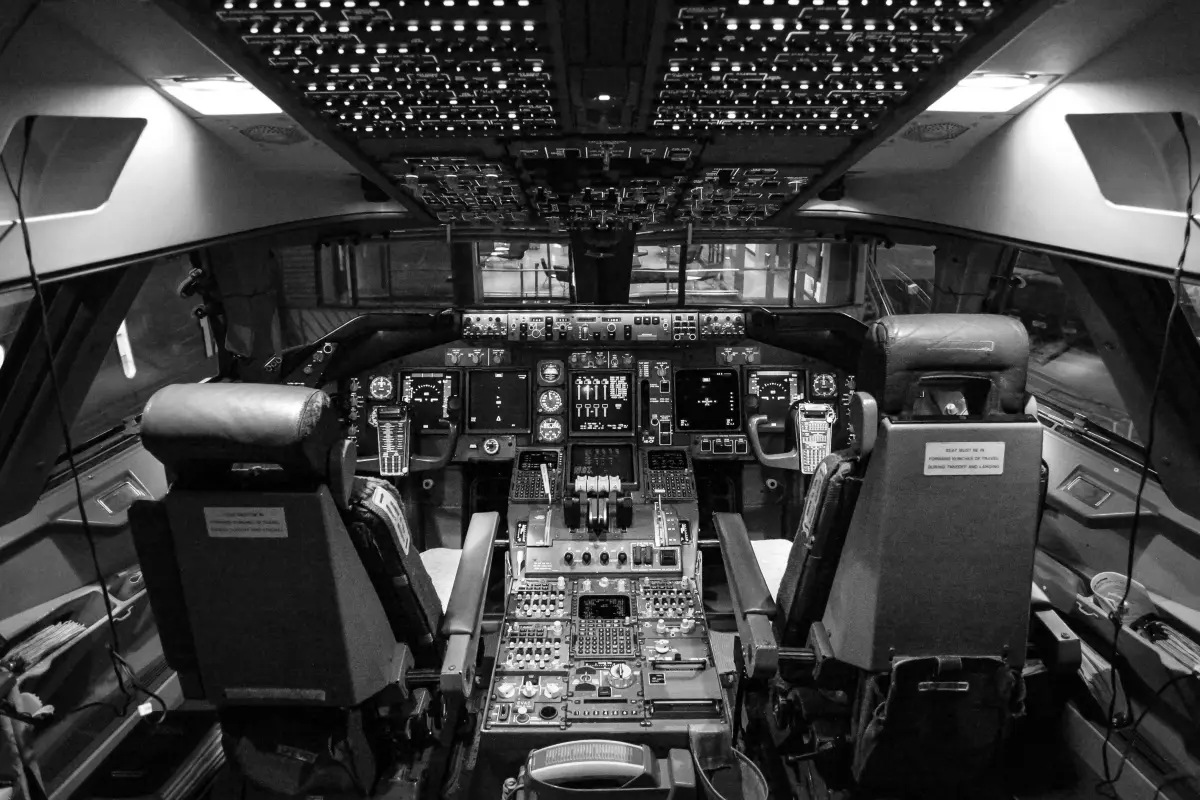
Icelandair will retire its remaining eight Boeing 757-200s this winter, accelerating a fleet transition to the more fuel-efficient Airbus A321XLR.
Key Takeaways
- •Icelandair retires its eight remaining Boeing 757-200s this winter.
- •Fleet transition accelerates due to high variable fuel costs.
- •Airbus A321XLR deliveries to Icelandair are scheduled for 2029.
- •A321XLR offers a 30% reduction in fuel burn per seat.
Icelandair Accelerates Fleet Transition
Icelandair is accelerating the retirement of its iconic Boeing 757 fleet, with the final phase-out now scheduled for the upcoming winter 2026-2027 season. This move marks a significant shift in Icelandair Boeing 757 retirement plans, moving the timeline up from the previously anticipated summer 2027 date. The airline is actively executing an Airbus A321XLR fleet transition to replace its aging narrowbody assets, a strategy central to its evolving Icelandair network planning objectives.
According to Snorri Tomasson, Director of Network Planning and Scheduling, the decision is driven by the current economic environment. "At the beginning of the year, we were anticipating flying the 757s until the end of summer 2027, but we will be retiring them this coming winter," Tomasson stated at Routes Europe 2026. "The fuel price situation right now is having a direct impact on our schedule. The 757s have been great for Icelandair. However, they are very high on variable cost. Fuel burn is very high."
Operational Impacts and Fleet Composition
Data from the CAPA - Centre for Aviation indicates that Icelandair currently operates eight active Boeing 757-200 aircraft. These units have an average age of approximately 26.5 years, placing them among the older segments of the airline's fleet. The high variable operating costs, exacerbated by elevated global fuel prices, have rendered these legacy aircraft less economically viable than newer, more efficient alternatives. In the interim, the airline has been utilizing leased Airbus A321LR aircraft to maintain capacity as it prepares for the arrival of its firm order of 13 Airbus A321XLR (Airbus A321 Extra Long Range) jets, with deliveries expected to begin in 2029.
For the Icelandair Network Planning Department, the accelerated retirement necessitates a rapid restructuring of the winter 2026-2027 schedule. The airline must ensure that the capacity formerly provided by the 757s is seamlessly transitioned to its newer narrowbody fleet. This transition is part of a broader industry trend toward narrowbody transatlantic flights, where carriers increasingly utilize extended-range, single-aisle aircraft to serve thinner routes that cannot sustain the capacity of traditional widebody jets. You can review the Icelandair Official Fleet Information for further details on the carrier's transition timeline.
A321XLR vs 757: Key Specifications
| Metric | Boeing 757-200 | Airbus A321XLR |
|---|---|---|
| Range | 3,900 nm | 4,700 nm |
| Maximum Capacity | 239 passengers | 244 passengers |
| Fuel Efficiency | Baseline | 30% lower per seat |
Regulatory and Technical Context
The European Union Aviation Safety Agency (EASA) has played a critical role in facilitating this transition. EASA certified the CFM LEAP-1A powered A321XLR in July 2024, followed by the Pratt & Whitney GTF version in February 2025. These certifications clear the path for the A321XLR to operate the long-haul routes currently serviced by the 757. Manufacturers note that the Airbus A321XLR Specifications highlight a 30% reduction in fuel burn per seat compared to previous-generation aircraft, which is a primary driver for the airline's modernization strategy.
Historically, this move follows a pattern established by other major carriers. In 2020, both American Airlines and Delta Air Lines accelerated the retirement of their respective Boeing 757 fleets during the global industry downturn. That precedent demonstrates the industry's shift toward retiring aging, fuel-thirsty aircraft in favor of modern, high-efficiency narrowbodies to control operating expenses.
Why This Matters for the Transatlantic Market
This development signifies a structural shift in how mid-sized carriers manage transatlantic economics. By moving away from the 757, Icelandair is positioning itself to lower its cost-per-seat metrics, which is vital for maintaining profitability in a high-fuel-price environment. While consumer travel advocates have occasionally argued that single-aisle aircraft offer less cabin mobility compared to widebodies, the operational efficiency gains are currently outweighing these concerns for most network planners. For Boeing Commercial Airplanes, the transition represents the loss of long-standing exclusivity in the carrier's mainline fleet, as the airline shifts its strategic focus toward the Airbus platform for its middle-of-the-market operations.
Frequently Asked Questions
- When will Icelandair retire its final Boeing 757 aircraft?
- Icelandair has accelerated its retirement schedule and plans to phase out its remaining eight Boeing 757-200 aircraft during the winter 2026-2027 season.
- What aircraft is replacing the Boeing 757 in Icelandair's fleet?
- Icelandair is transitioning to the Airbus A321XLR, which provides a 30% reduction in fuel burn per seat compared to the Boeing 757. The airline has placed firm orders for 13 of these aircraft, with deliveries expected to begin in 2029.
For in-depth airline coverage and commercial aviation news, omniflights.com delivers timely industry insights. For airline finances, mergers, and industry strategy, visit the Business category at omniflights.com/business.

Written by Hardik Vishwakarma
Co-Founder & Aviation News Editor leading initiatives that improve trust and visibility across the global aviation industry. Covers airlines, airports, safety, and emerging technology.
Visit ProfileYou Might Also Like

Lufthansa A350-1000 to Debut on Munich-Haneda Route

Cathay Pacific Weighs Widebody Fleet Expansion Plans

American Airlines Drops 3 Routes Amid Network Optimization
JAL Orders 16 Embraer E190-E2 Jets for Regional Fleet
Volaris-Viva Merger Expected to Gain CNA Approval