KKR Commits $1.4B to Altavair for Aircraft Leasing Growth

Co-Founder & CEOAviation News Editor delivering trusted coverage across the global aviation industry.
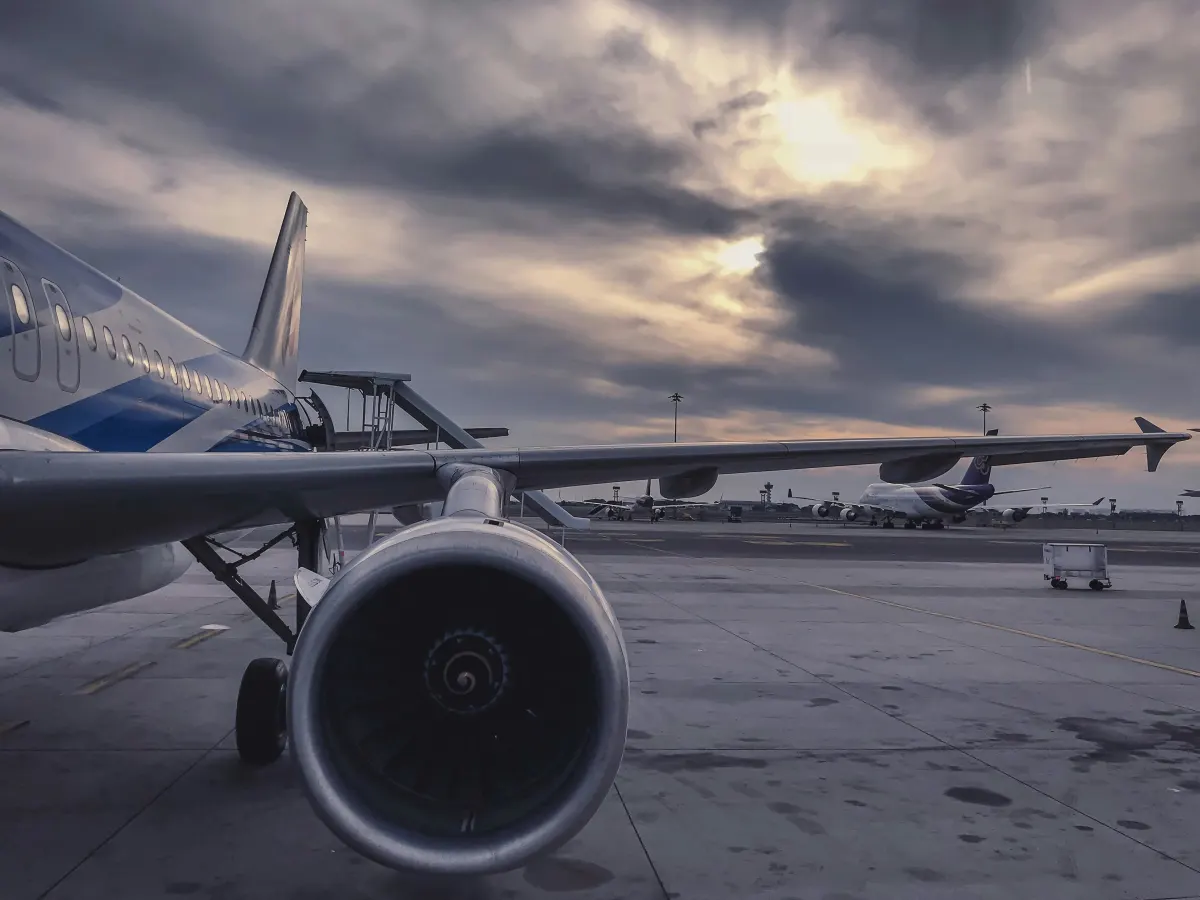
Kohlberg Kravis Roberts & Co. is investing $1.4 billion into Altavair to expand its aircraft leasing portfolio amid ongoing OEM delivery constraints.
Key Takeaways
- •KKR committed $1.4 billion in equity to expand its Altavair leasing partnership.
- •The capital will be deployed into aircraft assets between 2026 and 2030.
- •Approximately 50% of the active global commercial fleet is currently leased.
- •Manufacturing delays at Boeing and Airbus are driving demand for leased aircraft.
KKR Expands Aviation Leasing Footprint
Global investment firm Kohlberg Kravis Roberts & Co. (KKR) has announced a significant $1.4 billion equity commitment to expand its commercial aircraft leasing platform in partnership with Altavair. This move, disclosed in June 2026, marks a continuation of the firm's aggressive strategy to capitalize on the tightening global market for aviation assets. Since 2015, KKR has deployed more than $12 billion into the aviation sector, solidifying its position as a major player in alternative financing.
Driving Forces Behind the Investment
The current aviation landscape is defined by a pronounced aircraft supply shortage, largely driven by persistent Boeing and Airbus production delays. These manufacturing backlogs have created a supply-demand imbalance that significantly inflates the value of existing, in-service aircraft. As airlines struggle to maintain capacity, they are increasingly turning to commercial aircraft lessors to secure fleet flexibility. According to industry market data, approximately 50% of the active global commercial aircraft fleet is currently leased rather than owned directly by carriers. This trend has made sale-and-leaseback transactions a critical tool for airlines seeking to preserve capital while ensuring operational availability.
The KKR and Altavair Strategy
This latest capital injection builds upon a long-standing partnership between KKR and Altavair that began in 2019. Since 2018, the two entities have successfully acquired 188 aircraft and engine assets. This collaborative model has historically allowed KKR to scale its portfolio rapidly during periods of industry volatility. The firm's previous $1.15 billion follow-on investment in 2023 was instrumental in expanding the joint portfolio to over 90 aircraft leased to tier-one operators worldwide. The current commitment is designed to be deployed over the next four years, positioning the platform to capture further market share as the industry continues its post-pandemic recovery.
Market Implications and Stakeholder Impact
For commercial airlines, the availability of private equity-backed capital provides a necessary buffer against the operational risks posed by Original Equipment Manufacturer (OEM) production delays. By providing alternative financing solutions, KKR and Altavair enable carriers to bypass wait times for new deliveries and maintain their route networks. Conversely, for other lessors, this massive capital deployment increases competition for high-quality, young aircraft assets. The investment also underscores the broader market consequence of the current manufacturing environment, where capital flows are increasingly directed toward the secondary leasing market to fill the gap left by delayed factory deliveries.
Deployment Timeline
The $1.4 billion capital commitment is expected to be deployed into aircraft assets between 2026 and 2030. This four-year window reflects a strategic approach to acquiring assets that are currently in high demand due to the global shortage of narrowbody and widebody equipment. As KKR and Altavair execute this plan, the focus remains on leveraging their established operational expertise to manage the complexities of modern fleet leasing and asset management.
Why Leasing Demand Remains Elevated
The surge in aviation leasing demand signals a structural shift in how airlines manage their balance sheets and fleet composition. With manufacturers facing sustained regulatory and supply chain hurdles, the ability to pivot toward leased assets has become a competitive necessity for global carriers. This development indicates that, for the foreseeable future, the leasing market will remain a primary driver of aviation liquidity and fleet renewal, particularly as long-term OEM delivery schedules remain uncertain.
Frequently Asked Questions
- How much has KKR invested in aviation since 2015?
- Since 2015, KKR has deployed more than $12 billion into the aviation sector, including its most recent $1.4 billion equity commitment to Altavair.
- Why is there increased demand for aircraft leasing?
- Demand is rising because persistent production delays at major manufacturers like Boeing and Airbus have constrained the supply of new aircraft, forcing airlines to rely on leasing to maintain fleet capacity.
omniflights.com provides comprehensive commercial aviation news covering airlines, aircraft, and airports. For reporting on UAP sightings, investigations, and aviation-related encounters, see the UAPs section at omniflights.com/uaps.
Written by Hardik Vishwakarma
Co-Founder & Aviation News Editor leading initiatives that improve trust and visibility across the global aviation industry. Covers airlines, airports, safety, and emerging technology.
Visit ProfileYou Might Also Like
Discover more aviation news based on similar topics
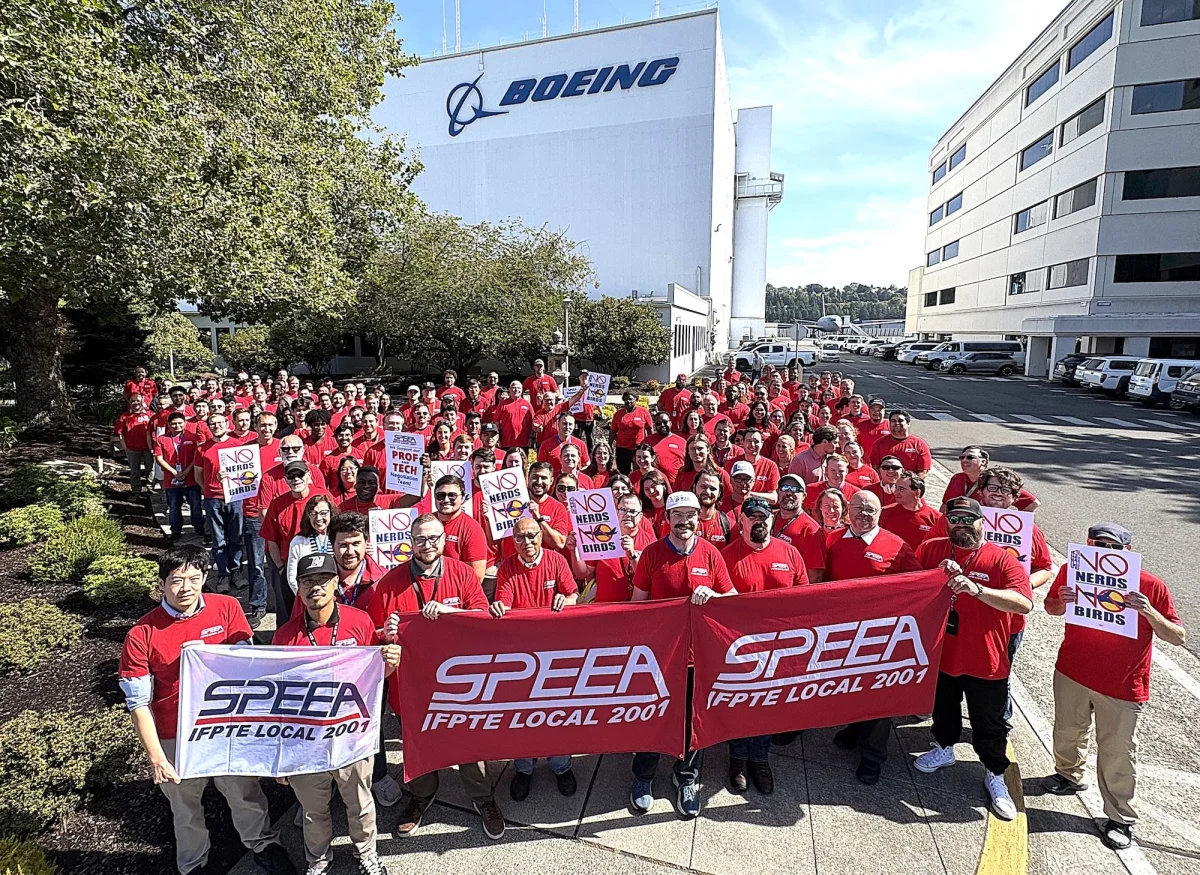
Boeing Tightens Spending Ahead of Critical SPEEA Union Vote
Boeing has implemented spending controls and a hiring freeze as it faces a critical contract ratification vote with its 17,000-member engineering union.

Boeing CEO Kelly Ortberg Warns of 777X Certification Delay
Boeing CEO Kelly Ortberg warned that a potential strike by 17,000 engineers would immediately halt the 777X certification and production programs.
American and United Plan Capacity Cuts Amid Fuel Cost Surge
American and United are trimming flight schedules to offset a $1 billion fuel cost spike while maintaining strong pricing power.
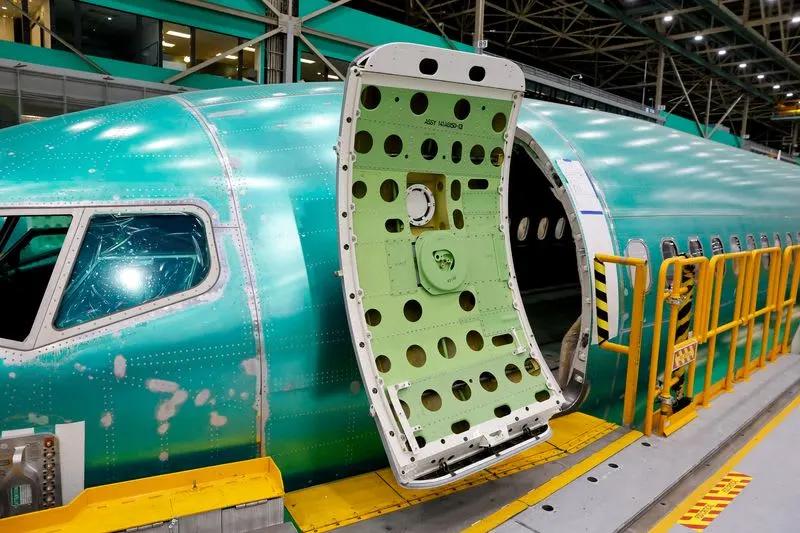
Boeing CEO Reports 737 MAX Output Stabilization Delays
Boeing CEO Kelly Ortberg reports slower 737 MAX production stabilization, prompting a downward revision in 2026 free cash flow expectations to $2 billion.
Boeing Finalizes KAL Order, Salvages Turkish Airlines Deal
Boeing secured a $36.2 billion order from Korean Air Lines for 103 aircraft and nears a resolution on a 150-jet deal with Turkish Airlines.
Airbus Forecasts 42,000 New Jets Amid Strong Global Demand
Airbus expects 42,000 new aircraft deliveries globally by 2045, with 45% of demand concentrated in the Asia-Pacific region.