JetSmart Invests $550M to Expand Argentine Fleet by 2027

Co-Founder & CEOAviation News Editor delivering trusted coverage across the global aviation industry.
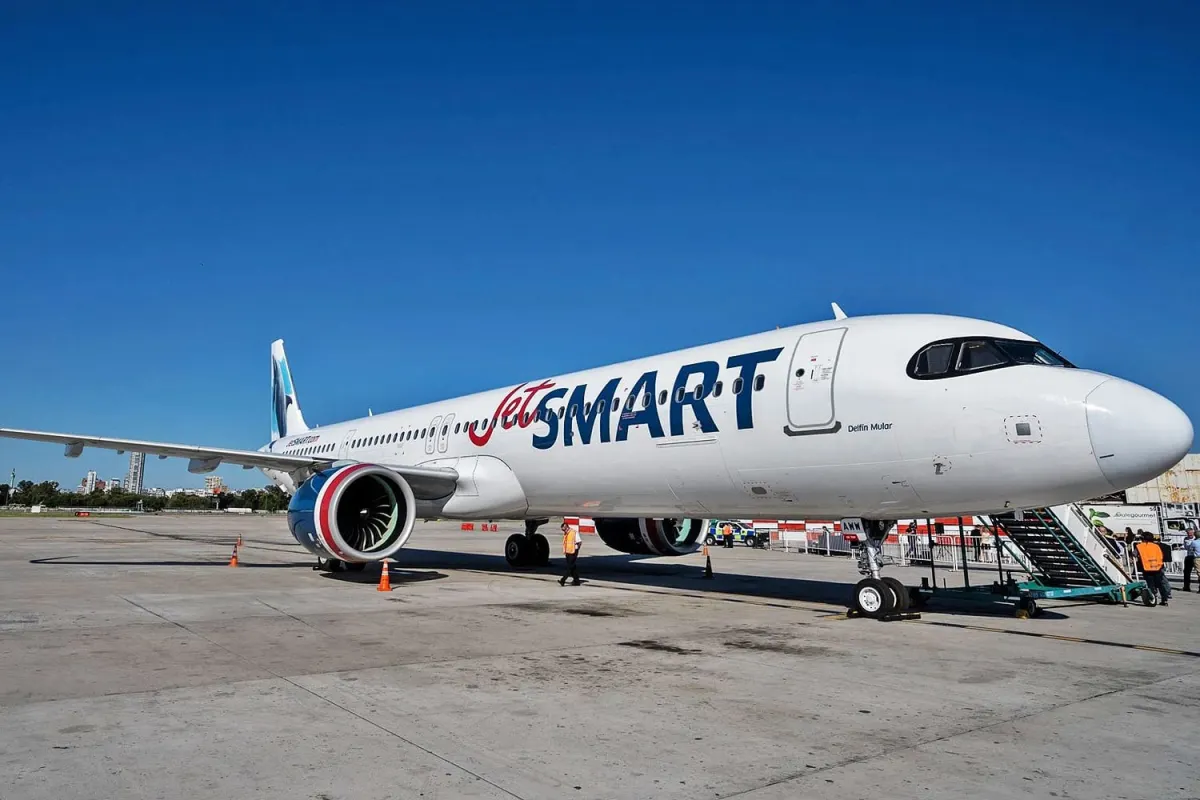
JetSmart will invest $550 million to grow its Argentine fleet to 23 aircraft by 2027, capitalizing on a 13% drop in domestic capacity.
Key Takeaways
- •JetSmart commits $550 million to expand its Argentine fleet to 23 aircraft.
- •Fleet growth targets January 2027 to capture 13% market capacity gap.
- •New routes include domestic links and an international service to Maceió, Brazil.
- •Expansion follows Argentina's recent aviation deregulation and open skies policy.
JetSmart Capitalizes on Market Contraction
The JetSmart Argentina expansion represents a strategic shift in the South American aviation landscape, as the airline commits over $550 million to secure its position in a recovering market. Announced by CEO Estuardo Ortiz, this capital injection is designed to scale the airline's operations significantly before the 2027 southern summer season. The move comes as competitors falter, leaving a void in domestic connectivity that the carrier intends to fill rapidly.
Market Share and Operational Shifts
The broader Argentine aviation sector has faced significant turbulence, with total domestic capacity falling by 12% to 13% during the first half of 2026. According to the Corporación América Airports traffic reports, much of this contraction stems from the operational challenges faced by rival carrier Flybondi. As a result, JetSmart has moved to absorb these lost routes, leveraging its status as the country's second-largest airline. Currently, JetSmart maintains a 24% to 25% share of the domestic market, a figure it expects to climb as its fleet grows from 15 to 23 aircraft by January 2027.
Strategic Fleet and Route Growth
Central to this strategy is the transition toward larger, more efficient aircraft. By integrating the Airbus A321neo into its fleet, JetSmart aims to lower its unit costs significantly compared to its current A320neo operations. This shift is critical for the Low-Cost Carrier (LCC) model, where margins are tied directly to seat-mile efficiency. New domestic routes connecting Buenos Aires with Posadas, San Juan, and Santiago del Estero are already planned, alongside a high-profile international service to Maceió, Brazil, slated for late 2026.
Regulatory Environment and Economic Context
This investment is deeply linked to Argentine aviation deregulation efforts. Ortiz has explicitly credited the current administration’s economic policies for creating a more equitable competitive environment. However, the airline continues to face headwinds from high airport taxes managed by the Organismo Regulador del Sistema Nacional de Aeropuertos (ORSNA). While these fees remain a point of contention, the backing of Indigo Partners—the fund behind carriers like Wizz Air and Volaris—suggests a long-term commitment to the region, building upon the $750 million already invested since 2019.
Airbus A321neo vs A320neo: Key Specifications
| Metric | Airbus A321neo | Airbus A320neo |
|---|---|---|
| Capacity | Up to 244 seats | Up to 186 seats |
| Unit Cost | Lower cost per seat | Baseline cost |
| Range | 4,000 nm | 3,400 nm |
The Path to 2027 Fleet Targets
JetSmart’s growth trajectory is structured around specific milestones. The airline expects to reach a fleet of 17 aircraft by October 2026, with the full target of 23 aircraft confirmed for January 2027. This timeline is subject to aircraft delivery schedules and the continued stability of the local economy. Despite skepticism from some market analysts regarding the sustainability of the current macroeconomic recovery, the carrier’s aggressive expansion signals confidence in the long-term growth of the Argentine middle-class travel segment.
Why This Matters for Regional Competition
For Aerolíneas Argentinas, the state-owned flag carrier, this development introduces a more formidable competitor with significantly lower unit costs. The expansion also signals a broader trend of consolidation among South American LCCs, where well-capitalized entities are increasingly absorbing the market share of struggling rivals. For passengers, the shift implies increased frequency on key routes, though the long-term pricing environment remains dependent on regulatory tax reforms and the broader economic stability of the country.
Frequently Asked Questions
- How many aircraft will JetSmart operate in Argentina by 2027?
- JetSmart plans to grow its Argentine fleet from approximately 15 aircraft to 23 aircraft by January 2027.
- Why is JetSmart expanding its market share in Argentina now?
- JetSmart is moving to capture routes and passengers left vacant by the sharp contraction of its rival, Flybondi, which contributed to a 12-13% decline in domestic capacity during the first half of 2026.
Visit omniflights.com for the latest commercial aviation news and airline industry updates. Stay informed on aviation incidents, investigations, and best practices in the Safety category at omniflights.com/safety.
Written by Hardik Vishwakarma
Co-Founder & Aviation News Editor leading initiatives that improve trust and visibility across the global aviation industry. Covers airlines, airports, safety, and emerging technology.
Visit ProfileYou Might Also Like
Discover more aviation news based on similar topics
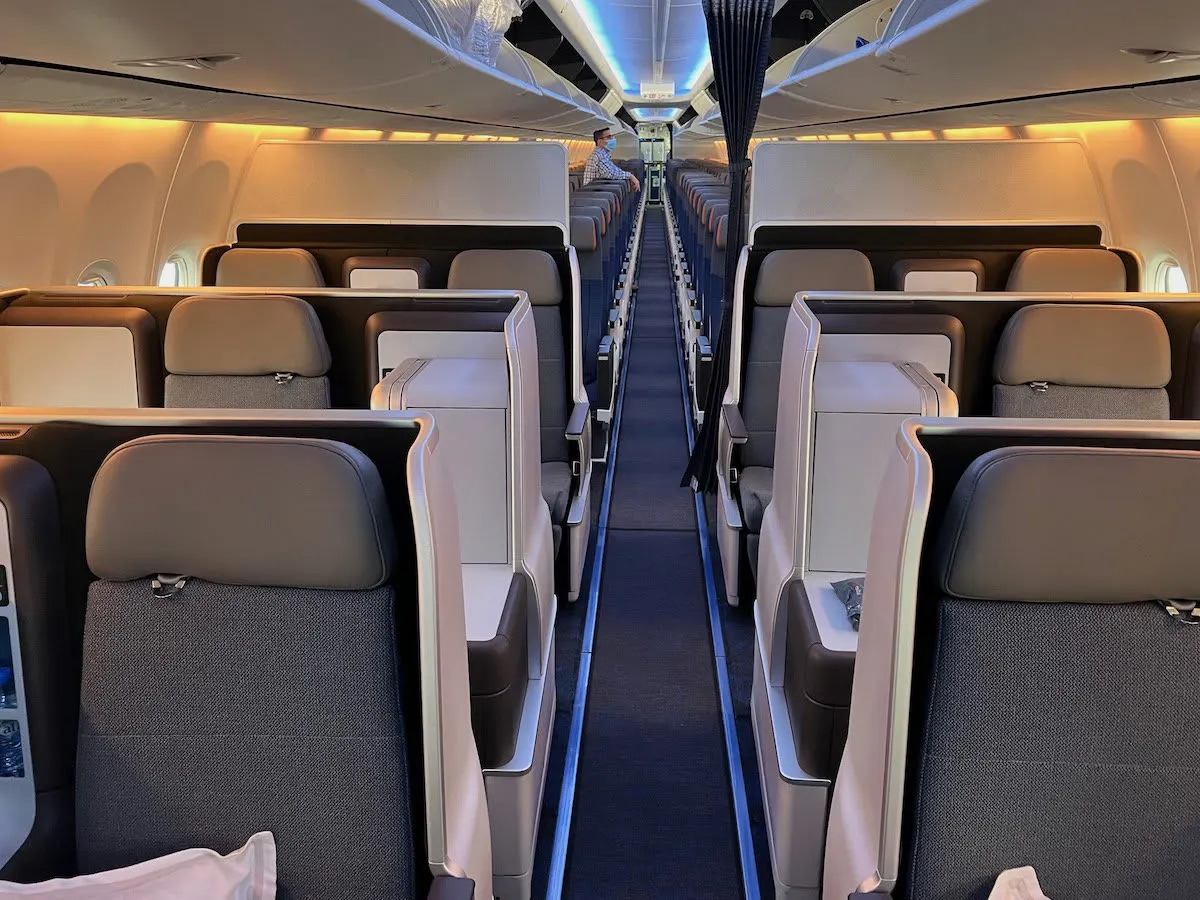
Flydubai Upgrading 21 Boeing 737 MAX 8s to Flat Bed Seats
Flydubai is retrofitting 21 Boeing 737 MAX 8 aircraft with lie-flat business class seats to standardize its premium product by late 2027.
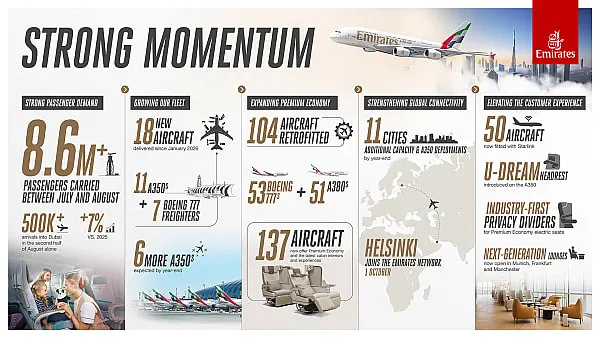
Emirates Winter Booking Momentum Grows Amid Fleet Expansion
Emirates carried 8.6 million passengers this summer and enters winter with strong demand as it accelerates fleet retrofits and network growth.

Air Arabia Consortium Gains AOC for New Dammam Budget Airline
A Saudi GACA-led consortium including Air Arabia has secured an AOC to launch a new budget airline based at Dammam's King Fahd International Airport.

Turkish Airlines Exits Luanda as Angola Hub Struggles
Turkish Airlines dropped its Luanda route as Angola's new airport struggles to attract traffic, handling only 756,028 passengers in 2025.

Red Sea Airlines Leases Two 737 MAX 8s for 2027 Expansion
Red Sea Airlines signed a lease for two Boeing 737 MAX 8 aircraft from SMBC Aviation Capital, arriving in 2027 to support its 14-aircraft fleet goal.
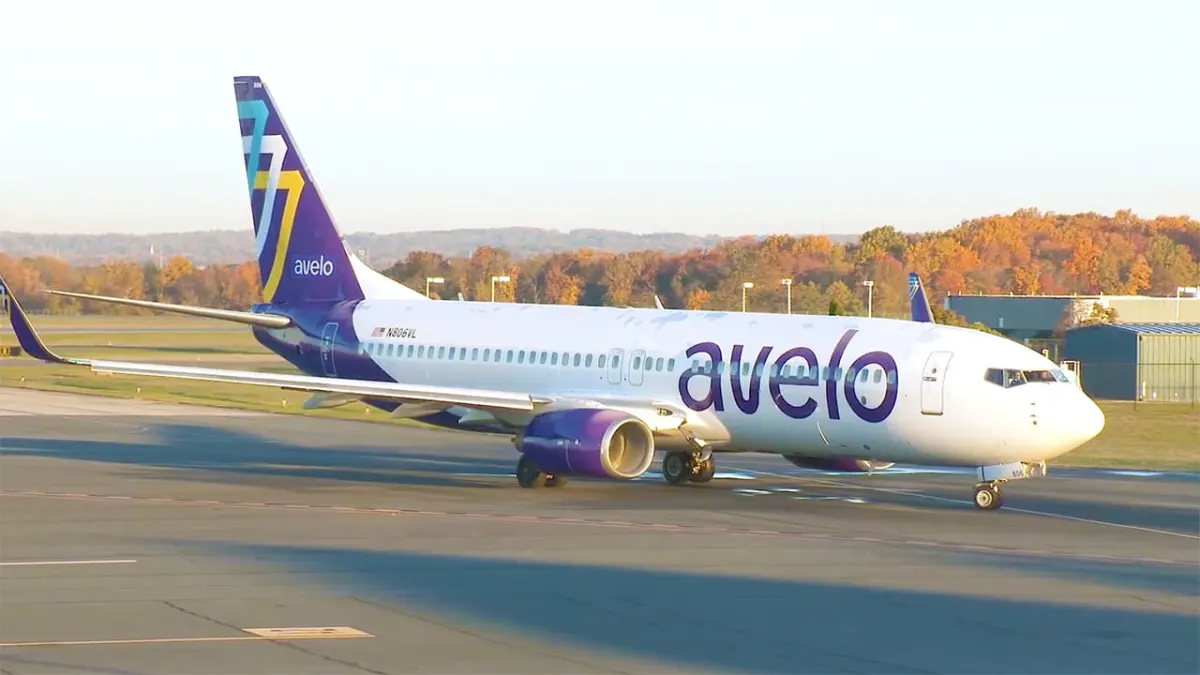
Avelo CEO Warns Airfares May Rise on Jet Fuel Price Spikes
Avelo Airlines CEO Andrew Levy warns that rising fuel costs may force fare increases as global jet fuel prices reach $171.01 per barrel.