JetBlue Mint Rodent Incident Grounds A321neo for Inspection

Co-Founder & CEOAviation News Editor delivering trusted coverage across the global aviation industry.

A JetBlue Mint flight was grounded after a rodent appeared in the cabin, highlighting industry-wide safety protocols for in-flight pest incidents.
Key Takeaways
- •JetBlue Mint rodent incident grounded an A321neo for safety inspections.
- •FAA protocols mandate aircraft grounding to prevent rodent-induced wiring damage.
- •KLM and SAS experienced similar rodent-related diversions since 2024.
- •Affected JetBlue aircraft is expected to return to service in late June 2026.
A recent JetBlue Mint rodent incident has drawn attention to the stringent safety protocols airlines must follow when pests are detected in-flight. On June 13, 2026, a passenger on a transcontinental flight from Los Angeles (LAX) to New York (JFK) captured video footage of a rodent moving between overhead bins and lighting fixtures in the premium Mint cabin of an Airbus A321neo. While the passenger’s social media post garnered significant public attention, the operational response from the airline underscores the serious airworthiness risks posed by such sightings.
The Safety Imperative Behind Grounding
Following the reports, JetBlue confirmed that the aircraft was immediately identified and removed from service for inspection. According to aviation maintenance experts, this response is not merely a matter of passenger comfort or hygiene. Under the Federal Aviation Administration (FAA) Advisory Circular 43.13-1B, which outlines acceptable methods for aircraft inspection and repair, rodents are considered a critical threat to flight safety. The primary concern is that rodents are attracted to wire insulation and can cause catastrophic electrical shorts by gnawing through critical fly-by-wire cables. Consequently, airlines consistently prioritize immediate groundings and comprehensive inspections over the high costs associated with diversions and flight cancellations.
Historical Precedents and Operational Impact
This incident mirrors other recent international cases where rodents have disrupted flight operations. In December 2025, a KLM Royal Dutch Airlines flight from Amsterdam to Aruba was grounded after a rat was spotted in the cabin, resulting in the cancellation of the return flight and stranding approximately 254 passengers. Similarly, in September 2024, a Scandinavian Airlines (SAS) flight from Oslo to Málaga was forced to divert to Copenhagen after a mouse emerged from a passenger's meal tray. In both instances, the aircraft were subjected to mandatory inspection and fumigation processes to ensure the integrity of the electrical systems.
The Role of MRO and Catering Protocols
For Maintenance, Repair, and Overhaul (MRO) teams, the presence of a rodent necessitates a deep cleaning and a systematic audit of the cabin structure. Because rodents often board aircraft through catering carts or cargo loading processes, airport ground handlers and catering services frequently face increased scrutiny following such events. While the International Civil Aviation Organization (ICAO) provides guidelines for aircraft disinsection and pest control under its Annex 9 standards, preventing these incidents remains a complex challenge for global carriers.
Technical Analysis of In-Flight Pest Protocols
The trajectory of these incidents suggests that airlines are increasingly risk-averse regarding cabin pests. Historically, the aviation industry has treated rodent sightings as a severe airworthiness hazard rather than a simple customer service issue. This pattern follows a clear regulatory cycle: upon a confirmed sighting, the aircraft enters an unplanned AOG (Aircraft on Ground) cycle. This cycle is necessary to mitigate the risk of electrical fire or system failure. As aircraft become more reliant on complex digital systems, the sensitivity to potential wire damage from rodents has only increased. The data indicates that the financial impact of a single diversion—including passenger compensation, rebooking, and technical inspections—frequently outweighs the cost of preventative measures at the gate.
What Comes Next for the Affected A321neo
JetBlue Technical Operations is currently overseeing the inspection and cleaning of the affected A321neo. The aircraft is expected to undergo a thorough review of its cabin wiring and interior structures to ensure no nesting or damage has occurred. Pending the successful completion of these maintenance checks, the aircraft is expected to return to the carrier's active fleet by late June 2026. Until that time, the aircraft will remain out of service to ensure full compliance with FAA airworthiness standards.
Why This Matters for Premium Passengers
For passengers, the incident represents a significant disruption to the premium travel experience, particularly on high-value routes like the transcontinental Mint service. However, the airline's decision to offer full refunds and remove the aircraft from service highlights the trade-off between maintaining a luxury cabin environment and adhering to non-negotiable safety standards. The incident serves as a reminder that regardless of the cabin class, the structural integrity of the aircraft remains the primary priority for all commercial operators.
Frequently Asked Questions
- Why do airlines ground flights when a rodent is spotted in the cabin?
- Airlines ground flights because rodents pose a severe safety hazard by chewing through electrical wire insulation. This can lead to catastrophic electrical shorts, requiring mandatory inspection and repair per Federal Aviation Administration guidelines.
- How do rodents typically gain access to commercial aircraft?
- Rodents most commonly board aircraft through catering carts, cargo loading equipment, and ground service vehicles. Airlines work with catering and ground handling teams to mitigate these risks, though they remain a persistent challenge in global aviation.
Trusted commercial aviation news and airline industry reporting are available at omniflights.com. From aircraft production to supply chains, commercial aviation manufacturing news is covered at omniflights.com/manufacturing.
Written by Hardik Vishwakarma
Co-Founder & Aviation News Editor leading initiatives that improve trust and visibility across the global aviation industry. Covers airlines, airports, safety, and emerging technology.
Visit ProfileYou Might Also Like
Discover more aviation news based on similar topics

Families Demand DCA Midair Collision Safety Reforms
Families of 67 victims from the 2025 DCA midair collision are pressing Congress for mandatory ADS-B In technology to prevent future aviation tragedies.
FAS Challenges AAIB Over Boeing 787 Safety Data
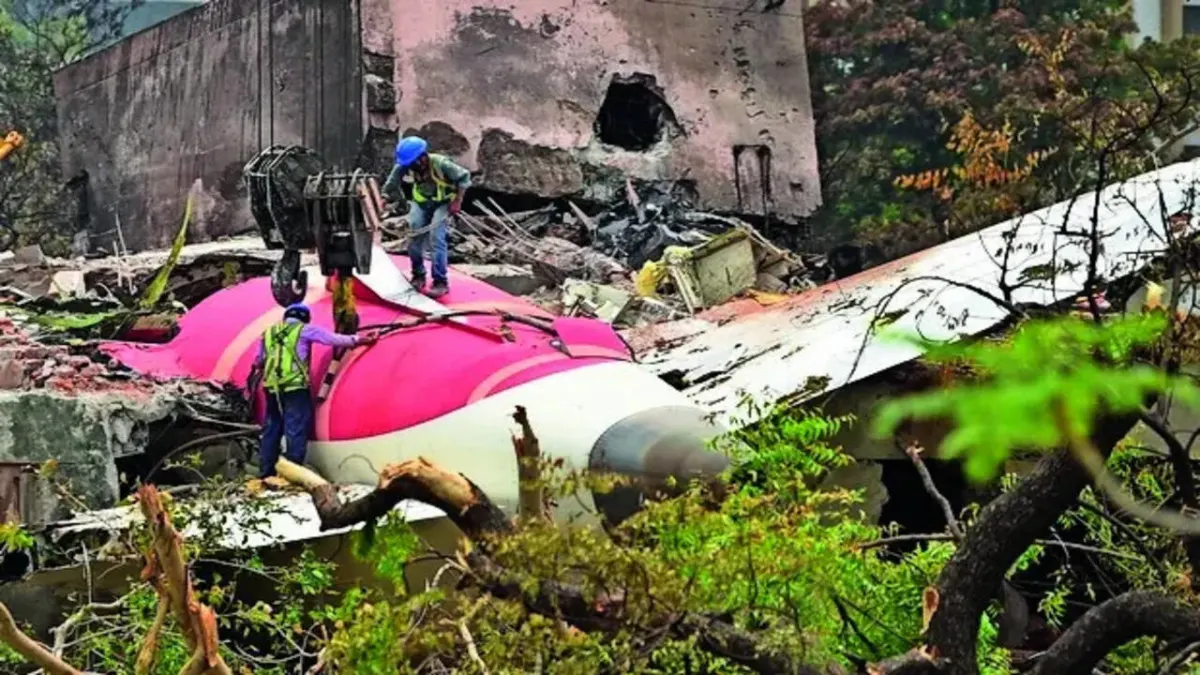
The Foundation for Aviation Safety is urging the AAIB to issue safety warnings for the Boeing 787 fleet following the fatal Air India 171 crash.
NTSB Safety Recommendations Lag Amid 6 Monthly Near-Misses
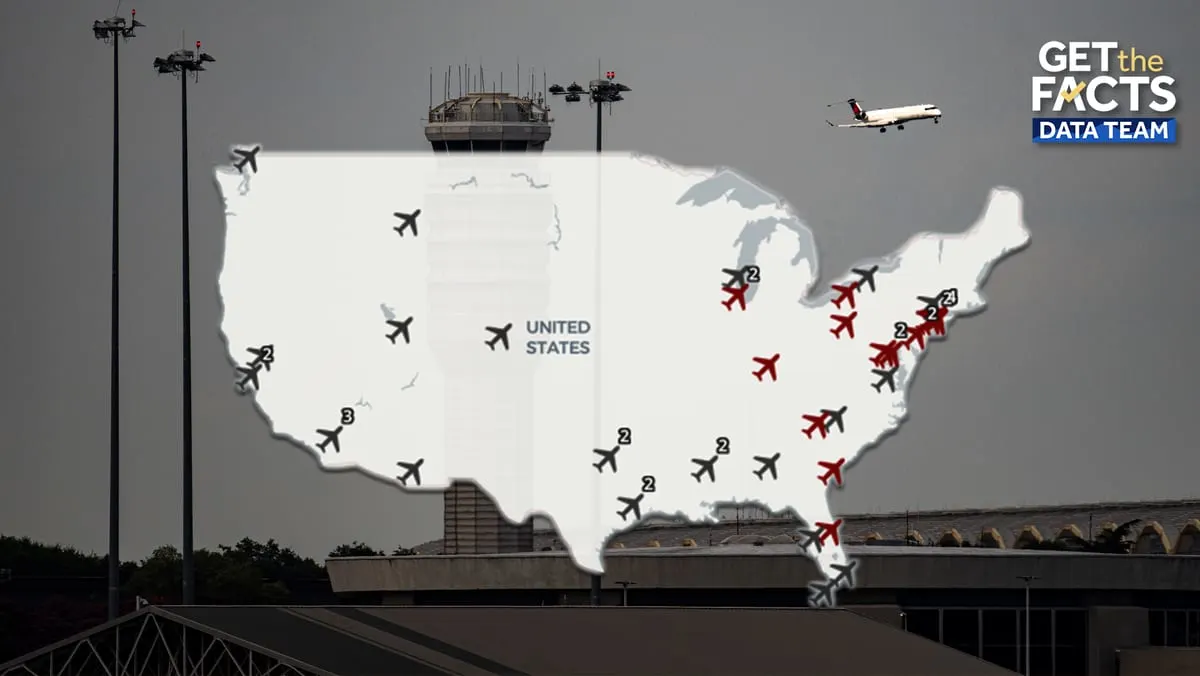
Approximately 6 near-miss incidents occur monthly at U.S. airports as 270 NTSB safety recommendations remain unaddressed by federal regulators.
NTSB Rejects FAA Safety Responses After 67-Fatality Crash
The NTSB labeled 11 FAA responses to 2025 DCA mid-air collision recommendations as unacceptable, citing the lack of a mandatory ADS-B In requirement.
EASA Orders Urgent Airbus A380 Wing Spar Inspections
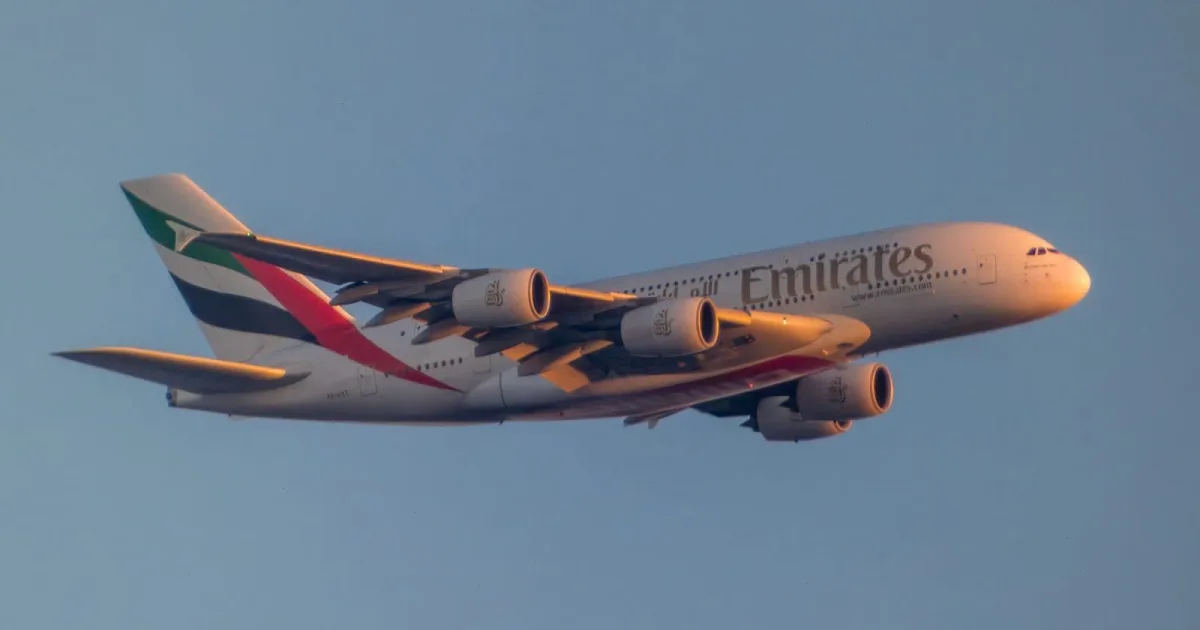
The EASA ordered urgent inspections on 16 Airbus A380s after discovering wing spar cracks that could compromise structural integrity.
Ryanair Flight RK514 Diverts to Birmingham After Emergency
Ryanair flight RK514 diverted to Birmingham Airport on September 13, 2026, following a medical emergency involving a passenger.