JetBlue A321neo in Near Miss at Fort Lauderdale

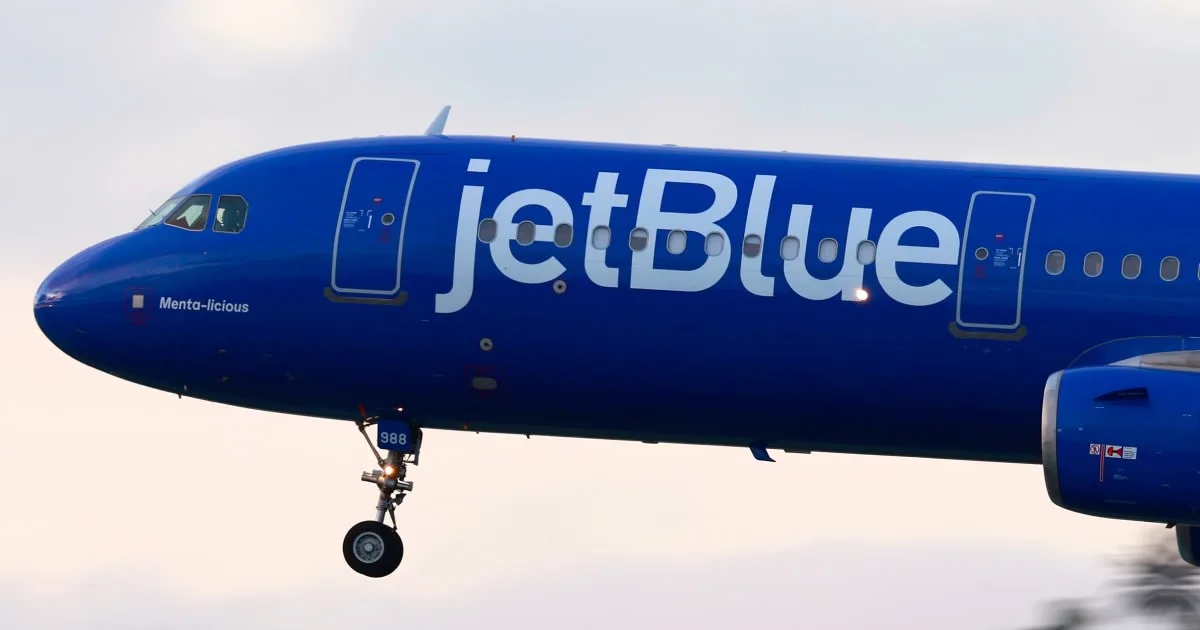
A JetBlue flight executed an evasive maneuver near Fort Lauderdale after a midair encounter with an uncommunicative aircraft at 5,000 feet.
Key Takeaways
- •JetBlue A321neo performed an evasive maneuver at 5,000 feet near FLL.
- •TCAS alerted pilots to a VFR aircraft within one nautical mile.
- •FAA is investigating the incident involving an uncommunicative pilot.
- •JetBlue shares dipped 3.65% following reports of the near miss.
The Federal Aviation Administration (FAA) is conducting a formal investigation into a midair incident involving a JetBlue Airways flight near Fort Lauderdale-Hollywood International Airport (FLL). The event, which occurred on Monday, June 1, 2026, involved JetBlue Flight 1256, an Airbus A321neo arriving from Guayaquil, Ecuador. The aircraft was forced to execute an evasive maneuver at an altitude of 5,000 feet after its onboard Traffic Collision Avoidance System (TCAS) triggered a warning due to a nearby aircraft that was not in communication with Air Traffic Control (ATC).
The Incident and ATC Response
The encounter occurred as the JetBlue A321neo was on approach to FLL. According to data from LiveATC.net air traffic recordings, the unidentified aircraft, operating under Visual Flight Rules (VFR), closed to a distance of just one nautical mile from the commercial airliner. This distance is well inside standard terminal separation minimums. The air traffic controller handling the sector expressed significant alarm, characterizing the actions of the VFR pilot as erratic and noting that the plane was attempting to climb directly into the path of commercial traffic. In the audio recordings, the controller referred to the pilot as "Mad Max" due to the unpredictable flight path.
While the FAA maintains that "required separation was maintained" during the event, the incident has drawn scrutiny from aviation professionals. Many argue that the official statement minimizes the gravity of an encounter that necessitated an active Resolution Advisory from the TCAS system. The FAA newsroom serves as the primary portal for ongoing updates regarding this investigation.
Regulatory and Industry Context
This incident occurs against a backdrop of rising concern regarding the frequency of near-miss events in U.S. airspace. Since early 2023, the FAA has recorded a series of high-profile runway incursions and separation losses, leading to increased pressure for operational reviews. The current investigation into this incident will likely evaluate compliance with 14 CFR Part 91, which governs VFR flight requirements and communication mandates. The NTSB maintains a comprehensive database where findings on such separation losses are typically logged for public review.
Historically, similar events have served as catalysts for industry-wide shifts. In February 2023, a near-miss incident involving a Southwest Airlines flight and a FedEx aircraft in Austin prompted a nationwide FAA safety summit. Similarly, a separate incident at Boston Logan involving a JetBlue flight and a private Learjet resulted in an NTSB investigation that highlighted risks in general aviation communications, a pattern that this recent Florida event mirrors.
Market and Stakeholder Impact
Following the news of the near-miss, JetBlue's stock saw a 3.65% decline. This dip temporarily interrupted positive investor sentiment, which had been bolstered by the airline’s recent announcement raising its Q2 2026 revenue guidance to a 9%–12% year-over-year increase. For general aviation pilots operating in South Florida, the incident may lead to increased regulatory oversight and stricter enforcement of VFR corridors around busy Class B and C airspace.
The Path to Resolution
The FAA is expected to release a preliminary incident report by July 2026. This document will be critical in determining whether enforcement action will be taken against the pilot of the uncommunicative VFR aircraft. Regulatory experts anticipate that a final determination regarding potential sanctions or airspace policy adjustments will likely materialize by the third quarter of 2026, depending on the speed of the ongoing operational review.
Frequently Asked Questions
- What caused the JetBlue near miss at Fort Lauderdale?
- The incident was caused by an uncommunicative aircraft operating under Visual Flight Rules that closed to within one nautical mile of a JetBlue A321neo at 5,000 feet, triggering a TCAS alert.
- How did the FAA respond to the JetBlue incident?
- The FAA has launched an investigation into the incident, though it officially stated that required separation was maintained during the flight's approach to Fort Lauderdale.
omniflights.com provides comprehensive commercial aviation news covering airlines, aircraft, and airports. Track policy changes, airspace rules, and global aviation governance in the Regulatory category at omniflights.com/regulatory.

Written by Hardik Vishwakarma
Co-Founder & Aviation News Editor leading initiatives that improve trust and visibility across the global aviation industry. Covers airlines, airports, safety, and emerging technology.
Visit ProfileYou Might Also Like
FAA Grounds Elixir Aircraft After Fatal French Crash

Riyadh Airport Closure Extended Following Deadly Attacks

Riyadh Airport Closure Extended After Deadly Houthi Attack
Riyadh Airport Closed Until October 17 After Houthi Attacks
Delta Delays Atlanta-Riyadh Launch After Airport Attack