Jet Fuel Prices Fall, but Airline Ticket Prices Stay High

Co-Founder & CEOAviation News Editor delivering trusted coverage across the global aviation industry.
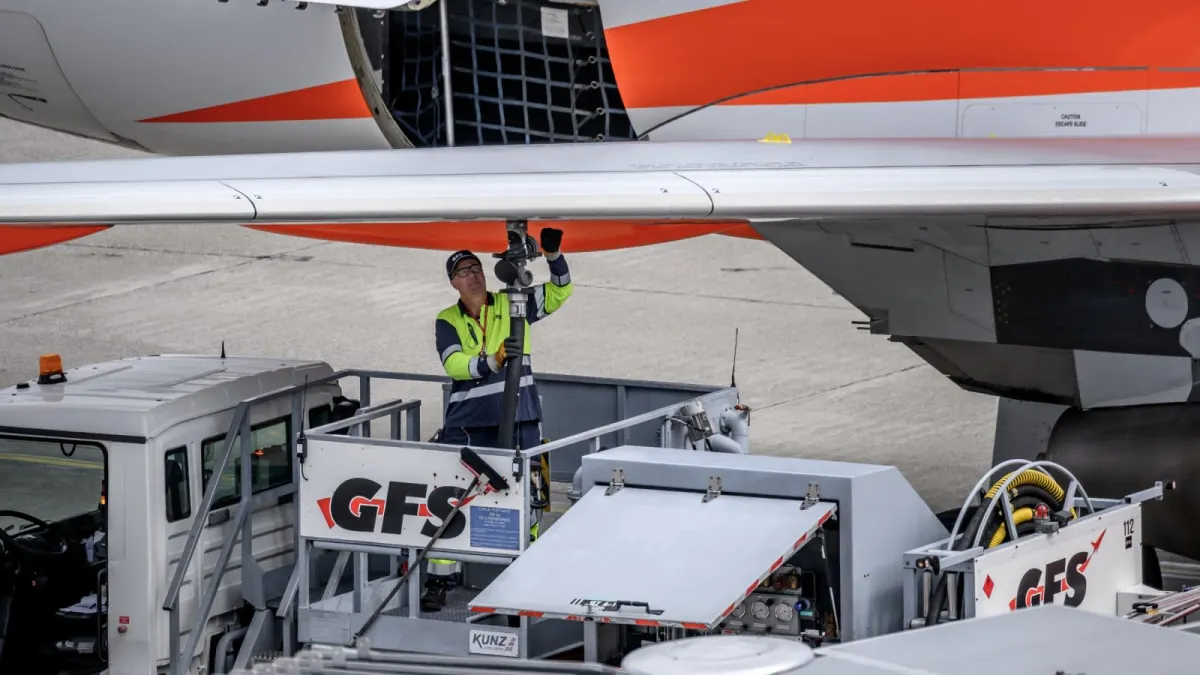
Airlines are maintaining record airfare prices despite a 40% drop in jet fuel costs since April 2026, citing strong demand and constrained capacity.
Key Takeaways
- •Spot jet fuel prices dropped 40% from April to June 25, 2026.
- •Airline ticket prices remain 15% to 20% higher than one year ago.
- •Spirit Airlines liquidation reduced low-cost seat capacity in May 2026.
- •Southwest Airlines earnings call is scheduled for July 23, 2026.
Airline Pricing Strategies Amidst Falling Fuel Costs
Although jet fuel prices have fallen sharply in recent months, major carriers have indicated little intention of lowering airline ticket prices or rolling back ancillary fees. According to data from the Argus US Jet Fuel Index via Airlines for America, spot fuel prices have dropped approximately 40% from their April 2026 peak through June 25. Despite this decline, aviation fuel costs are not currently dictating passenger pricing. Instead, carriers are leveraging strong travel demand and limited seat availability to maintain elevated fares.
The Shift in Industry Economics
During the initial volatility caused by the war in Iran, aviation fuel costs nearly doubled, forcing airlines to absorb billions in additional expenses. Major carriers responded with eight rounds of fare increases since the spring of 2026, according to data from Deutsche Bank Securities. Delta Air Lines, American Airlines, and United Airlines collectively reported approximately $1 billion in additional fuel expenses during the second quarter of 2026 alone. While these costs have eased, airfare trends 2026 show that ticket prices remain 15% to 20% higher than they were a year ago.
Industry executives maintain that pricing is driven by market conditions rather than fuel recovery targets. During the company's Q1 2026 earnings call, Southwest Airlines CEO Bob Jordan stated that fares are "dictated by market conditions, not by some academic formula." This strategy is supported by the industry's focus on capacity discipline, where carriers trim schedules and eliminate lower-demand routes to maximize yields on profitable segments.
Impact of Industry Consolidation
The May 2026 liquidation of Spirit Airlines has further reduced low-cost seat availability, placing upward pressure on fares across the industry. This reduction in competition has drawn scrutiny from the U.S. Department of Justice and members of Congress, who are examining whether reduced competition allows major carriers to maintain artificially high fares. For passengers, this means that the competitive landscape has shifted, as the industry moves away from the aggressive pricing models that previously defined the low-cost carrier market segment.
Technical Analysis: The Fuel-Consumption Baseline
Operational efficiency remains a critical factor in how airlines manage their bottom line. A typical single-aisle commercial aircraft burns approximately 800 gallons of jet fuel per hour. While fuel prices have dropped, airlines are treating the current pricing environment as a structural shift rather than a temporary recovery phase. Historically, the 2008 oil price shock serves as a precedent; at that time, airlines introduced widespread checked baggage fees to offset high fuel costs, and those fees remained permanent even after oil prices collapsed. The current behavior suggests a similar trend, where airlines are normalizing higher revenue streams—including baggage fees and base fares—to ensure long-term profitability after years of pandemic-era losses.
What Comes Next: Q2 Earnings and Market Guidance
Market observers are closely monitoring upcoming financial disclosures to see if airlines will adjust their guidance in light of lower fuel expenses. The Southwest Airlines Q2 2026 financial results conference call, expected on July 23, 2026, will serve as a key decision point for investors tracking whether carriers plan to sustain these margins. Analysts suggest that the longer consumers continue paying these elevated prices, the more likely these levels will become the new industry standard, effectively decoupling ticket prices from the volatility of global energy markets.
Why This Matters for Passengers
The persistence of high fares despite falling input costs signals a fundamental change in how the aviation industry manages revenue. For passengers, the expectation that airfares will "cool off" as fuel prices drop is increasingly unlikely. Instead, the combination of reduced capacity and the loss of low-cost competition suggests that the current pricing environment is a strategic move toward sustained higher yields. This shift highlights a broader industry trend where airlines prioritize profit stability over the historical practice of passing fuel cost savings directly to the consumer.
Frequently Asked Questions
- Why are airline ticket prices still high if jet fuel prices have dropped?
- Airlines report that ticket prices are currently dictated by market conditions, such as strong travel demand and constrained seat capacity, rather than fuel costs. Additionally, the industry has shifted toward normalizing higher revenue streams, such as ancillary fees, to ensure profitability.
- How did the closure of Spirit Airlines impact airfare prices?
- The liquidation of Spirit Airlines in May 2026 reduced the availability of low-cost seats in the U.S. market. This reduction in competition has placed upward pressure on industry-wide fares by limiting the number of budget-friendly options available to travelers.
Get breaking commercial aviation news and expert airline analysis at omniflights.com. Stay informed on aviation incidents, investigations, and best practices in the Safety category at omniflights.com/safety.
Written by Hardik Vishwakarma
Co-Founder & Aviation News Editor leading initiatives that improve trust and visibility across the global aviation industry. Covers airlines, airports, safety, and emerging technology.
Visit ProfileYou Might Also Like
Discover more aviation news based on similar topics
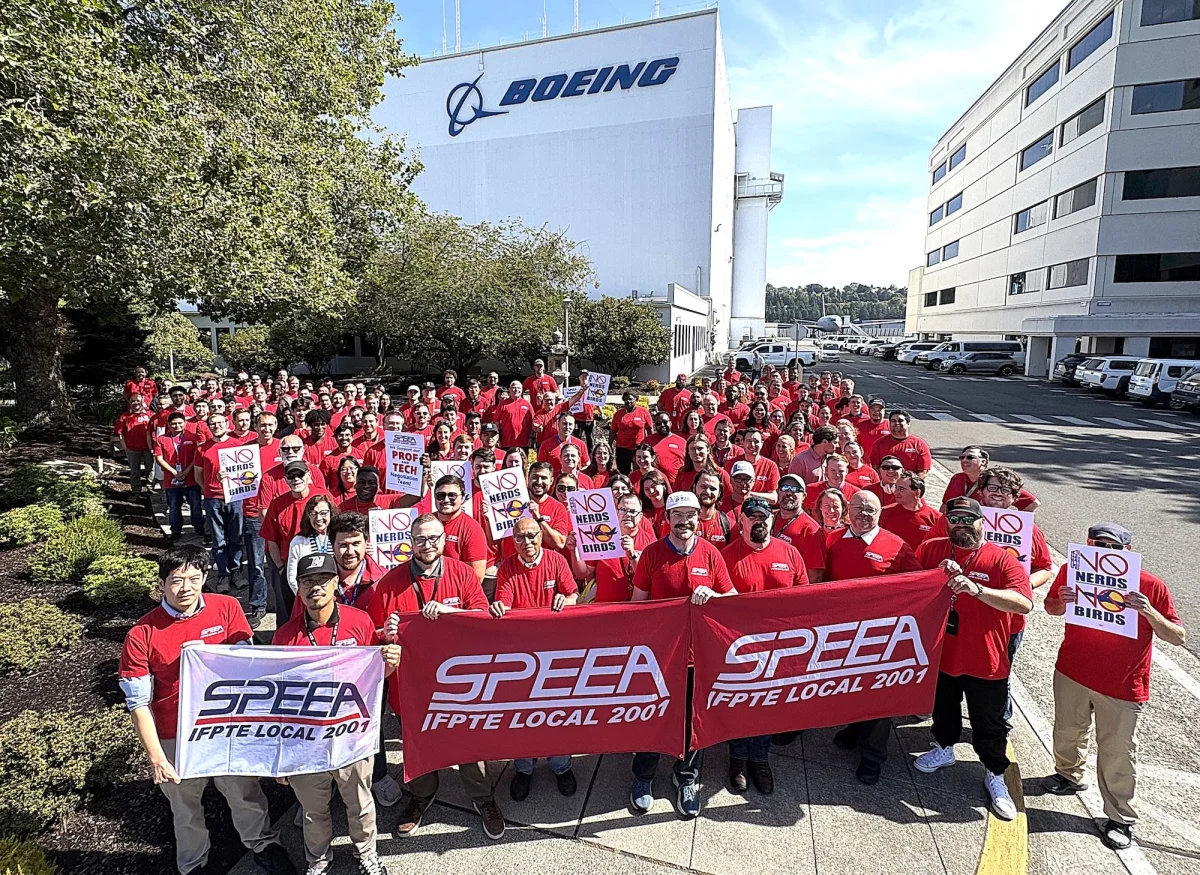
Boeing Tightens Spending Ahead of Critical SPEEA Union Vote
Boeing has implemented spending controls and a hiring freeze as it faces a critical contract ratification vote with its 17,000-member engineering union.
Boeing CEO Kelly Ortberg Warns of 777X Certification Delay
Boeing CEO Kelly Ortberg warned that a potential strike by 17,000 engineers would immediately halt the 777X certification and production programs.
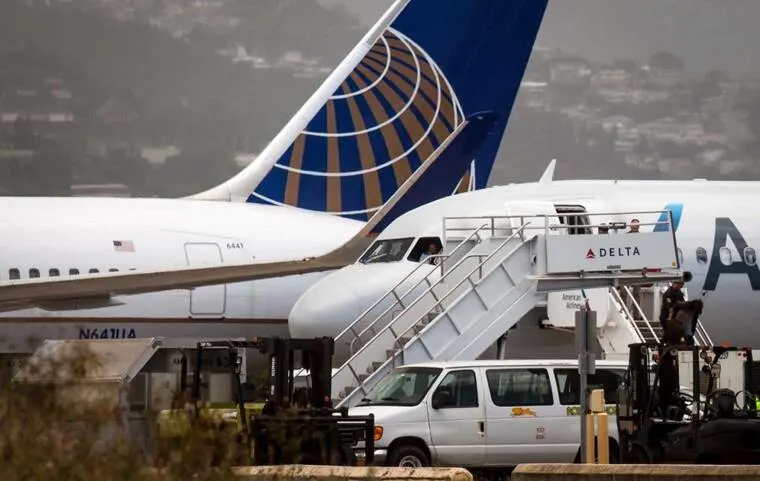
American and United Plan Capacity Cuts Amid Fuel Cost Surge
American and United are trimming flight schedules to offset a $1 billion fuel cost spike while maintaining strong pricing power.
Boeing CEO Reports 737 MAX Output Stabilization Delays
Boeing CEO Kelly Ortberg reports slower 737 MAX production stabilization, prompting a downward revision in 2026 free cash flow expectations to $2 billion.
Boeing Finalizes KAL Order, Salvages Turkish Airlines Deal
Boeing secured a $36.2 billion order from Korean Air Lines for 103 aircraft and nears a resolution on a 150-jet deal with Turkish Airlines.
Airbus Forecasts 42,000 New Jets Amid Strong Global Demand
Airbus expects 42,000 new aircraft deliveries globally by 2045, with 45% of demand concentrated in the Asia-Pacific region.