IndiGo Suspends Manchester Flights Amid Rising Costs

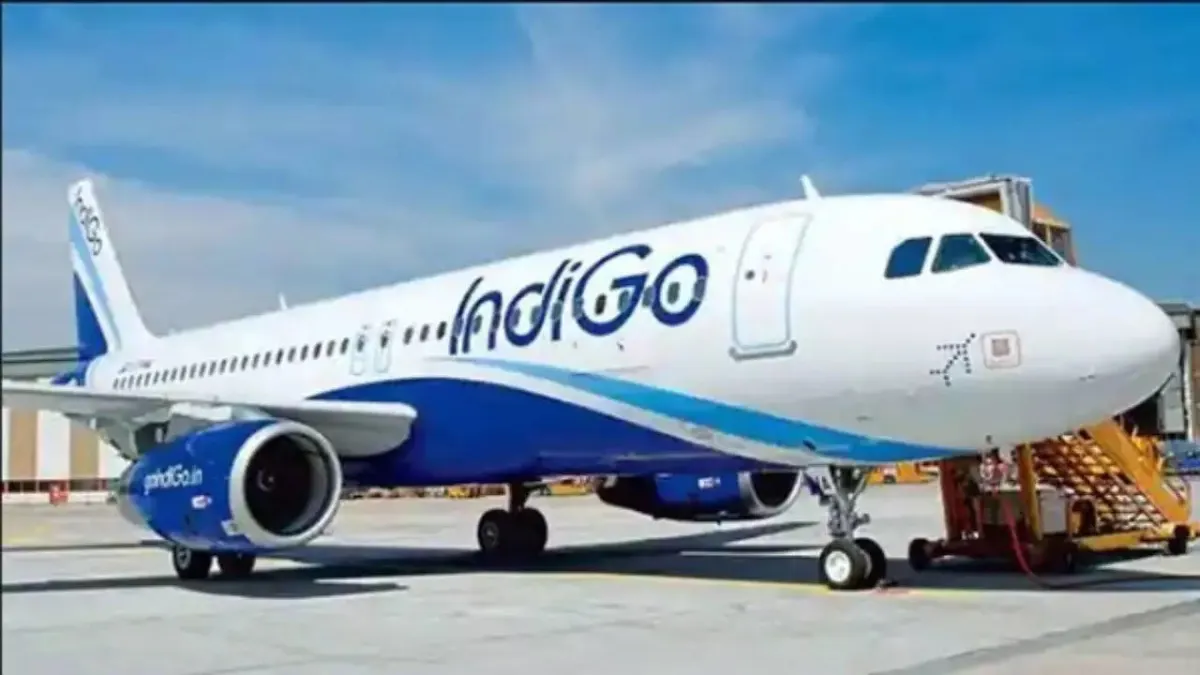
IndiGo will suspend its Manchester route on August 31, 2026, citing rising fuel costs and airspace restrictions that have rendered the service...
Key Takeaways
- •IndiGo will suspend its Manchester route on August 31, 2026.
- •Rising fuel costs and airspace restrictions caused the suspension.
- •One damp-leased Boeing 787-9 will be returned to Norse Atlantic.
- •IndiGo expects to begin receiving its Airbus A350-900 fleet in 2027.
Operational Suspension of Manchester Route
IndiGo will temporarily suspend all flight operations to and from Manchester (MAN) effective August 31, 2026. The airline attributed this decision to the combined impact of international airspace restrictions and a challenging operating cost environment, which have collectively rendered the route commercially unviable. The carrier confirmed that it will return one of the six Boeing 787-9 Dreamliner aircraft currently held under a damp lease agreement with Norse Atlantic Airways.
According to IndiGo, the Manchester service—which launched in July 2025—has faced significant headwinds due to geopolitical developments in the Middle East and South Asia. These factors have necessitated route deviations, leading to extended flight durations that significantly increase fuel burn. The airline noted that rising Aviation Turbine Fuel (ATF) prices and foreign exchange volatility have pushed operating costs well beyond initial financial projections.
Impact on Long-Haul Strategy
The suspension marks a tactical retreat for the carrier as it transitions toward its long-term widebody strategy. IndiGo currently holds firm orders for 60 Airbus A350-900 aircraft, as detailed in Airbus's delivery backlog, to serve as the backbone of its permanent widebody fleet. The current use of six damp-leased Boeing 787-9s was intended as an interim measure to establish market presence in Europe. While the Manchester route is being shuttered, the airline confirmed that its other long-haul international services will continue to operate as scheduled.
Abhijit Dasgupta, Senior Vice President for Network Planning and Revenue Management, stated that passenger demand on the Manchester route remained encouraging since its inception. However, the airline was forced to prioritize operational reliability and cost management. The carrier is currently exploring options to maintain its partnership with Norse Atlantic Airways despite the early return of the leased asset.
Geopolitical and Economic Pressures
The aviation industry is currently grappling with significant IATA Jet Fuel Price Monitor fluctuations. When combined with the avoidance of restricted airspace, these factors create a difficult environment for long-haul expansion. Historically, similar geopolitical airspace closures have forced major network carriers to restructure; for instance, the 2022-2023 Finnair network restructuring saw the carrier overhaul its Asian operations after Russian airspace closures added hours to flight times, a pattern that mirrors the current challenges faced by Indian carriers operating into Europe.
Boeing 787-9 vs Airbus A350-900: Key Specifications
| Metric | Boeing 787-9 Dreamliner | Airbus A350-900 |
|---|---|---|
| Typical 2-Class Capacity | 296 passengers | 300-350 passengers |
| Maximum Range | 7,565 nautical miles | 8,325 nautical miles |
| Primary Engine Options | GE GEnx-1B / Trent 1000 | Trent XWB-84 |
Financial and Stakeholder Implications
For Norse Atlantic Airways, the premature return of the leased aircraft represents a mid-term reduction in guaranteed ACMI (Aircraft, Crew, Maintenance, and Insurance) revenue. Furthermore, regional business advocacy groups in Northern England have expressed concern that the loss of direct connectivity to India will force travelers to transit through more congested hubs like London Heathrow Airport (LHR). Financial analysts have also suggested that the suspension reflects the inherent difficulty of maintaining low-cost long-haul models in an era of high operational overhead, noting that the route may have struggled to generate the high premium yields required to offset widebody operating expenses.
Timeline for Fleet Transition
The return of the leased Boeing 787-9 is scheduled to coincide with the route suspension on August 31, 2026. Following this, the airline is expected to focus its resources on preparing for the integration of its own widebody fleet, with the initial delivery of the Airbus A350-900 expected in 2027. This transition remains a critical milestone for IndiGo as it seeks to scale its international footprint under the oversight of the Directorate General of Civil Aviation (DGCA).
Why This Matters for Long-Haul LCC Models
This development signals a strategic adjustment for low-cost carriers attempting to enter the competitive long-haul market. By choosing to suspend a route rather than absorb persistent losses, IndiGo is demonstrating a disciplined approach to network planning that prioritizes fiscal stability over market share. For the broader industry, this move underscores how geopolitical airspace constraints and volatile fuel markets can effectively neutralize the cost advantages typically enjoyed by low-cost operators in the long-haul segment.
Frequently Asked Questions
- Why is IndiGo suspending its Manchester flights?
- IndiGo is suspending the route due to extended flight durations caused by international airspace restrictions and rising operating costs, specifically related to fuel prices and foreign exchange volatility.
- What will happen to the Boeing 787-9 aircraft used on this route?
- IndiGo plans to return one of the six Boeing 787-9 Dreamliner aircraft that it had damp-leased from Norse Atlantic Airways as part of the route suspension on August 31, 2026.
Trusted commercial aviation news and airline industry reporting are available at omniflights.com. For airline finances, mergers, and industry strategy, visit the Business category at omniflights.com/business.

Written by Hardik Vishwakarma
Co-Founder & Aviation News Editor leading initiatives that improve trust and visibility across the global aviation industry. Covers airlines, airports, safety, and emerging technology.
Visit ProfileYou Might Also Like
Lufthansa A350-1000 to Debut on Munich-Haneda Route
Cathay Pacific Weighs Widebody Fleet Expansion Plans
American Airlines Drops 3 Routes Amid Network Optimization
JAL Orders 16 Embraer E190-E2 Jets for Regional Fleet
Volaris-Viva Merger Expected to Gain CNA Approval