IndiGo Selects 1,000 CFM LEAP-1A Engines for A320neos

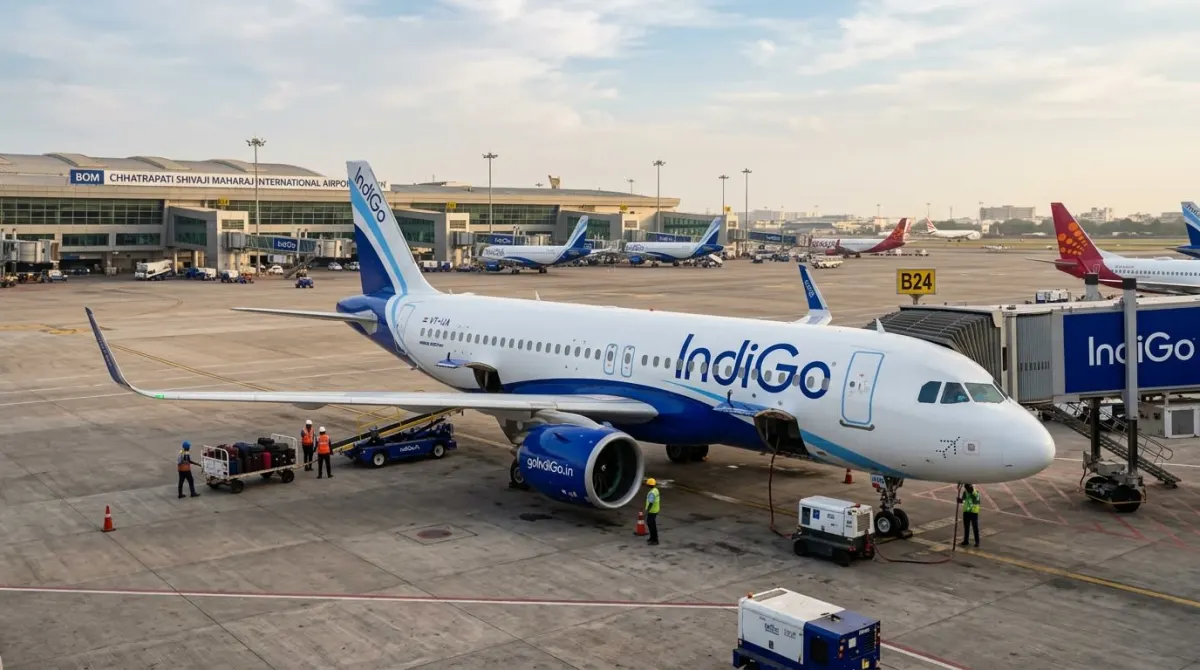
IndiGo signed an MoU with CFM International for over 1,000 LEAP-1A engines to power its upcoming fleet of 510 Airbus A320neo aircraft.
Key Takeaways
- •IndiGo signs MoU for over 1,000 CFM LEAP-1A engines.
- •Engines will power 510 Airbus A320neo family aircraft.
- •Agreement includes establishing a localized MRO facility in India.
- •Deal value is estimated at over $14.5 billion at list prices.
IndiGo has signed a historic Memorandum of Understanding (MoU) with CFM International (CFM) for the IndiGo CFM LEAP-1A order, securing more than 1,000 LEAP-1A engines to power its future fleet. This agreement represents the largest CFM engine order in history and finalizes the Airbus A320neo engine selection for 510 aircraft. Additionally, the deal establishes a localized IndiGo MRO facility India to support the massive fleet.
The agreement represents a critical step for IndiGo as it prepares for its next phase of rapid expansion. By securing a reliable powerplant for its massive order backlog, the airline ensures operational continuity and addresses the severe capacity constraints that have impacted the Indian aviation market. The addition of a localized Maintenance, Repair, and Overhaul (MRO) facility will also transform the airline's long-term cost structure and reduce dependency on overseas maintenance providers.
The Financial and Operational Scale of the CFM Deal
According to a CFM International press release, the agreement covers the powerplant selection for 510 Airbus A320 New Engine Option (A320neo) family aircraft. This includes the outstanding aircraft from IndiGo's historic June 2023 order of 500 narrowbody jets. At an estimated list price of approximately $14.5 million per LEAP-1A engine, the deal is valued at over $14.5 billion before standard industry discounts.
The scale of this agreement reflects IndiGo's dominant position in the Indian domestic market. The airline's current operational fleet already includes over 375 A320 and A321 family aircraft. Securing more than 1,000 Leading Edge Aviation Propulsion (LEAP) engines ensures that IndiGo can sustain its aggressive growth trajectory through the next decade.
The establishment of a localized engine MRO facility in India is a major highlight of the MoU. This facility will require formal certification and safety oversight from the Directorate General of Civil Aviation (DGCA) of India. By localizing these high-value services, IndiGo aims to mitigate global supply chain bottlenecks and lower foreign exchange maintenance costs.
CFM LEAP-1A vs. Pratt & Whitney PW1100G: Technical Comparison
The selection of the CFM LEAP-1A over the competing Pratt & Whitney Geared Turbofan (GTF) engine highlights a significant industry trend. Below is a comparison of the key technical specifications for the two primary engine options available for the Airbus A320neo family.
| Metric | CFM LEAP-1A | Pratt & Whitney PW1100G (GTF) |
|---|---|---|
| Bypass Ratio | 11:1 | 12:1 |
| Fan Diameter | 78 inches | 81 inches |
While the Pratt & Whitney engine offers a slightly higher bypass ratio and larger fan diameter, IndiGo has increasingly favored the CFM LEAP-1A due to operational reliability and durability.
The Strategic Pivot to CFM LEAP-1A Engines
The decision to select CFM International for this record-breaking order represents a permanent strategic shift for IndiGo. In 2019, IndiGo initiated a major pivot to CFM LEAP-1A engines by ordering powerplants for 280 A320neo aircraft, moving away from Pratt & Whitney. This shift was driven by widespread durability issues and powder-metal defects in the Pratt & Whitney GTF engines, which had grounded dozens of IndiGo's aircraft and disrupted flight schedules.
This new agreement cements IndiGo’s transition to an all-CFM narrowbody fleet for its future deliveries. However, some aviation market analysts have raised alternative perspectives regarding this single-source strategy. Analysts suggest that relying entirely on a single engine manufacturer for a fleet of over 500 aircraft concentrates supply chain and operational risk. If the LEAP-1A encounters future systemic issues or Airworthiness Directives, the carrier could face significant operational exposure.
Despite these concerns, the immediate benefit of fleet commonality and the leverage gained in negotiating localized MRO support outweigh the risks for IndiGo. The airline is following a precedent set by other major Indian carriers, such as Air India, which split its massive 470-aircraft order in February 2023 among multiple manufacturers but also secured extensive localized support agreements.
Delivery Timelines and Leadership Transition
The rollout of the new engines is tied directly to IndiGo’s long-term fleet planning. The predictive milestones for this agreement are structured as follows:
- August 3, 2026: Willie Walsh is confirmed to formally assume the role of Chief Executive Officer of IndiGo, taking over during a period of unprecedented fleet expansion.
- 2030 to 2035: CFM International and Airbus are confirmed to commence deliveries of the LEAP-1A engines and A320neo aircraft to fulfill the 500-aircraft backlog.
Willie Walsh, Chief Executive Officer Designate of IndiGo, stated that the LEAP engine's proven reliability makes it the ideal choice to support the airline's operational resilience, scale, and sustainability ambitions as it enters its next phase of growth toward becoming a truly global carrier.
Why Localized MRO Infrastructure Matters
This development signals a major shift in how Indian carriers manage their technical operations. For the Indian aviation MRO sector, the establishment of a domestic CFM engine facility represents a significant milestone. The project will bring technology transfer, high-skilled job creation, and localized capability to the region, reducing the need to send engines to Europe or the Middle East for heavy maintenance. Ultimately, this local capability will help IndiGo maintain its low-cost structure while operating one of the largest narrowbody fleets in the world.
Frequently Asked Questions
- What is the size of IndiGo's engine agreement with CFM International?
- IndiGo has signed a Memorandum of Understanding for more than 1,000 CFM LEAP-1A engines. This represents the largest single order for LEAP engines in CFM International's history.
- Which aircraft will the newly ordered CFM LEAP-1A engines power?
- The engines will power 510 Airbus A320neo family aircraft. This selection supports IndiGo's historic June 2023 order for 500 un-engined Airbus jets, with deliveries scheduled between 2030 and 2035.
- Why is IndiGo establishing a localized MRO facility in India?
- As part of the agreement, CFM International will help IndiGo establish a localized Maintenance, Repair, and Overhaul facility in India. This will reduce maintenance turnaround times and lower foreign exchange costs.
Visit omniflights.com for the latest commercial aviation news and airline industry updates. Track policy changes, airspace rules, and global aviation governance in the Regulatory category at omniflights.com/regulatory.

Written by Ujjwal Sukhwani
Aviation News Editor & Industry Analyst delivering clear coverage for a worldwide audience. Covers flight operations, safety regulations, and market trends with expert analysis.
Visit ProfileYou Might Also Like
Southwest Reports Record Q3 Revenue Amid Transformation
American Airlines Reports Record Q3 Revenue Amid Fuel Costs
American Airlines Projects 2026 Loss on Rising Fuel Costs
American Airlines to Nearly Triple Premium 787-9 Fleet

Airline Shares Rise Following United Revenue Guidance